The True Cost of Product Photography for Fashion Brands
What does product photography really cost in 2026? Explore direct costs, hidden expenses, and how fashion brands scale visual content more efficiently.
Fashion brands know they need strong visuals to sell. But what many founders don’t realize is that product photography is often one of the most expensive and time-consuming parts of launching a collection.
While the quote from a photographer may look reasonable, the real cost of product photography often goes far beyond the shoot itself. Planning the shoot, organizing models, styling outfits, editing images, and preparing visuals for product pages can quickly increase the total investment.
For online stores especially, product images play a major role in how customers evaluate quality and decide whether to trust a brand. In many cases, better visuals can directly improve how product pages perform and how confident customers feel before making a purchase.
In this guide, we break down what fashion brands actually spend on product photography in 2026 including the hidden costs most quotes never mention.
The direct costs of fashion product photography
The most visible costs of product photography are the direct production expenses required to organize the shoot. These are the items typically listed in a photographer’s quote.
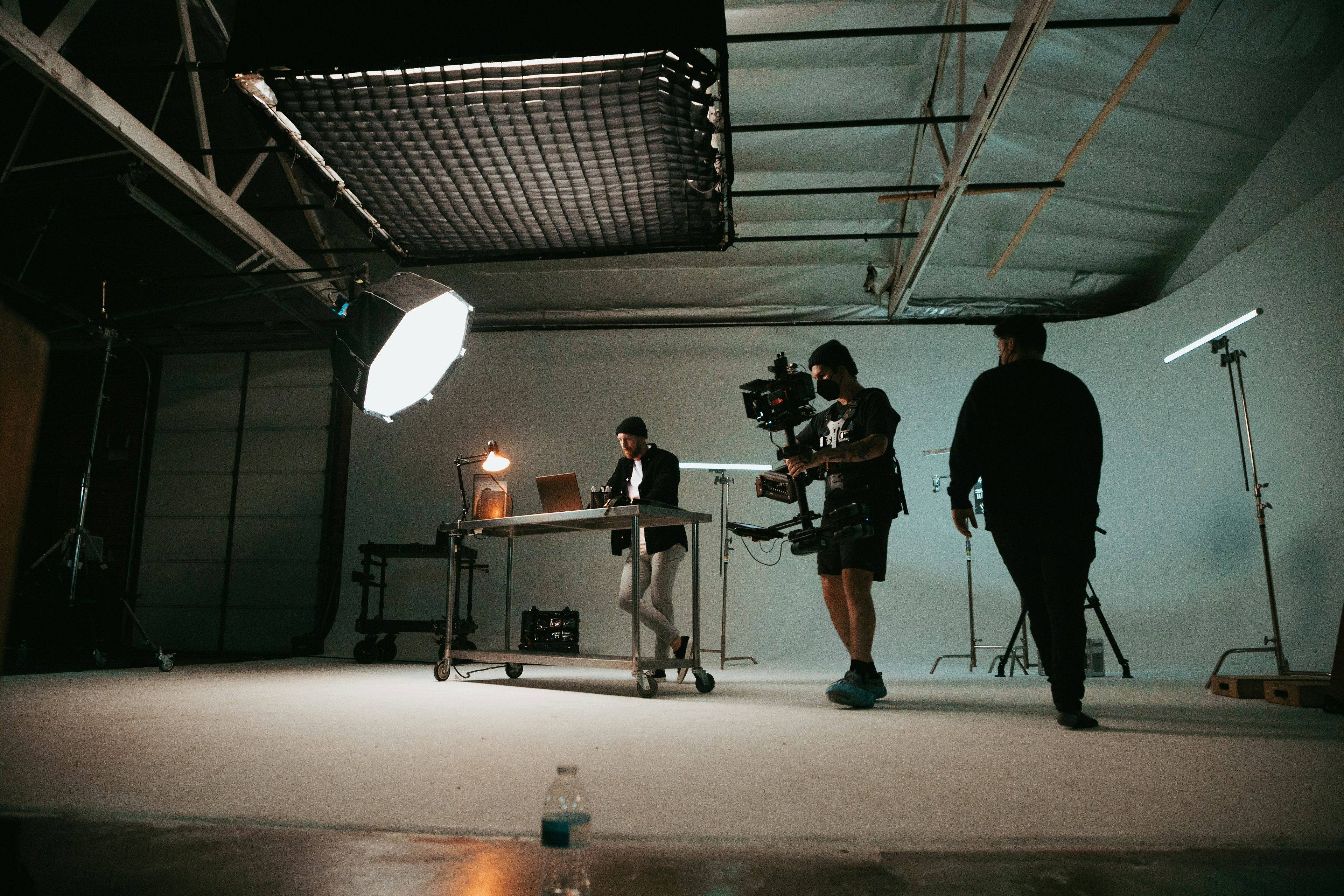
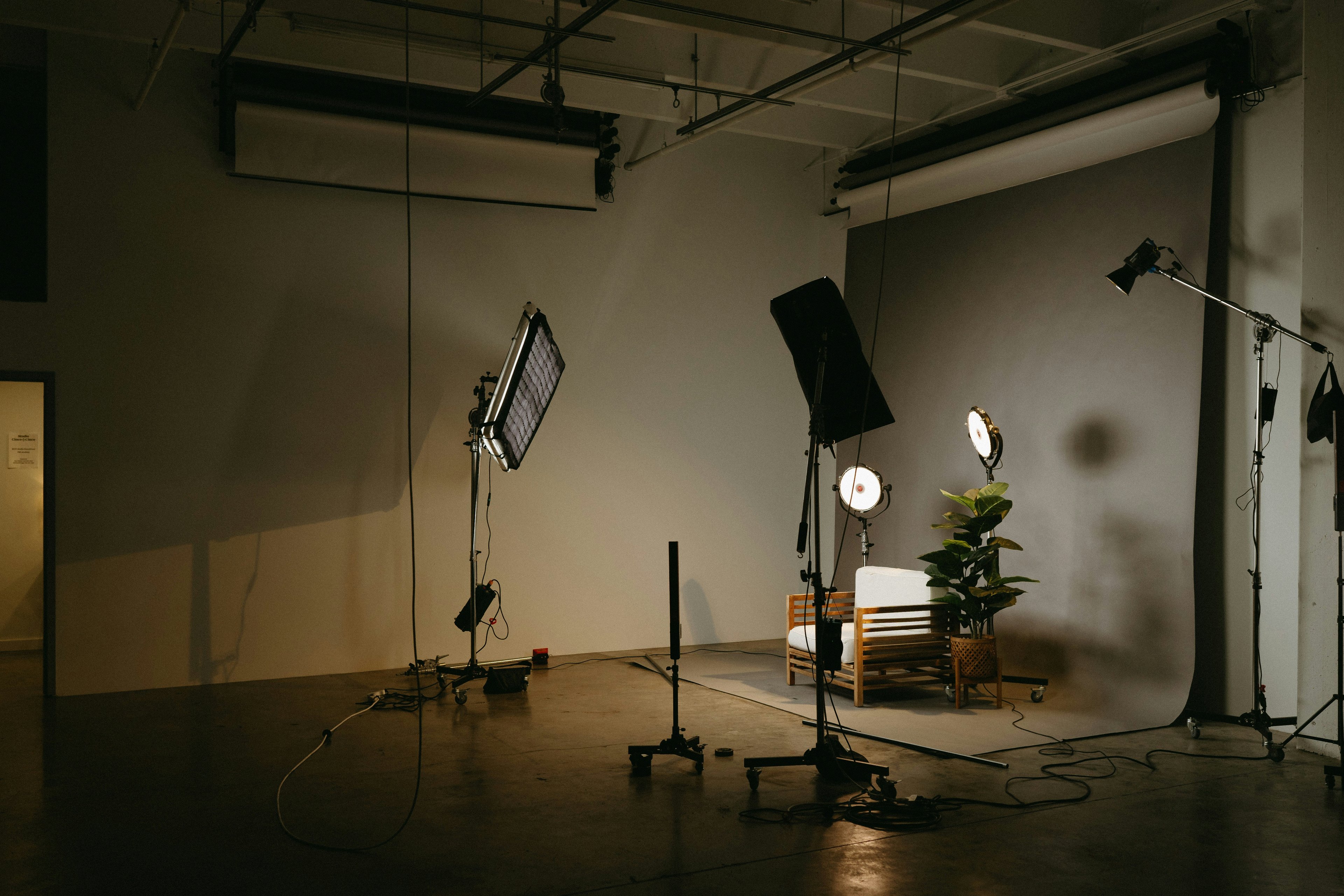
A professional fashion photoshoot usually involves several roles working together, including a studio, photographer, models, stylists, lighting equipment, and post-production editing. Even a relatively small production can involve multiple specialists and a full day of work.
Below is a simplified breakdown of common production costs for a typical fashion product photoshoot.
Cost Item | Typical Price Range |
|---|---|
Studio Rental | $300 – $1500 per day |
Photographer | $100 – $300 per hour or $800 – $3000 per day |
Models | $100 – $1000 per model per day |
Stylists & Makeup Artists | $150 – $600 per day |
Lighting & Equipment | Sometimes included, sometimes $100 – $500 |
Post-Production & Retouching | $10 – $50 per image |
For brands launching multiple products at once, these costs scale quickly. A collection with 20–30 products may require a full production day or more, turning a single photoshoot into a project that can cost several thousand dollars before the images even reach the online store.
Because online shoppers rely heavily on visuals to evaluate products, improving the quality and clarity of product images can directly influence how well products perform in an online store.
How photography services are usually priced
Most fashion brands assume photography pricing is straightforward, but in reality pricing models vary widely depending on the photographer, the scope of the shoot, and how the images will be used.
In the industry, product photography is commonly priced in a few different ways. Some photographers charge hourly rates, while others price their work per product or per final edited image. Many professional pricing guides in the photography industry describe these same pricing structures when explaining how commercial shoots are typically billed.
Pricing Model | How It Works | Typical Range |
|---|---|---|
Per Hour | Photographer charges based on time spent shooting | $100 – $300 per hour |
Per Product | Price is calculated for each product photographed | $75 – $200 per product |
Per Image | Payment is based on the number of final edited images delivered | $50 – $150 per image |
Each model has advantages and trade-offs. Hourly pricing can work well for smaller shoots, but costs can rise quickly if production takes longer than expected. Per-product pricing offers clearer budgeting, but it may limit how many angles or variations are captured for each item.
For many fashion brands, the bigger challenge is not only the base price of the shoot, but the effort required to maintain consistent visuals across product pages, marketing campaigns, and social media content.
The hidden costs nobody puts in the quote
The price listed in a photography quote usually covers the visible parts of a shoot. But for many fashion brands, the real expenses appear in the steps surrounding the shoot rather than the shoot itself.
Coordination and production management
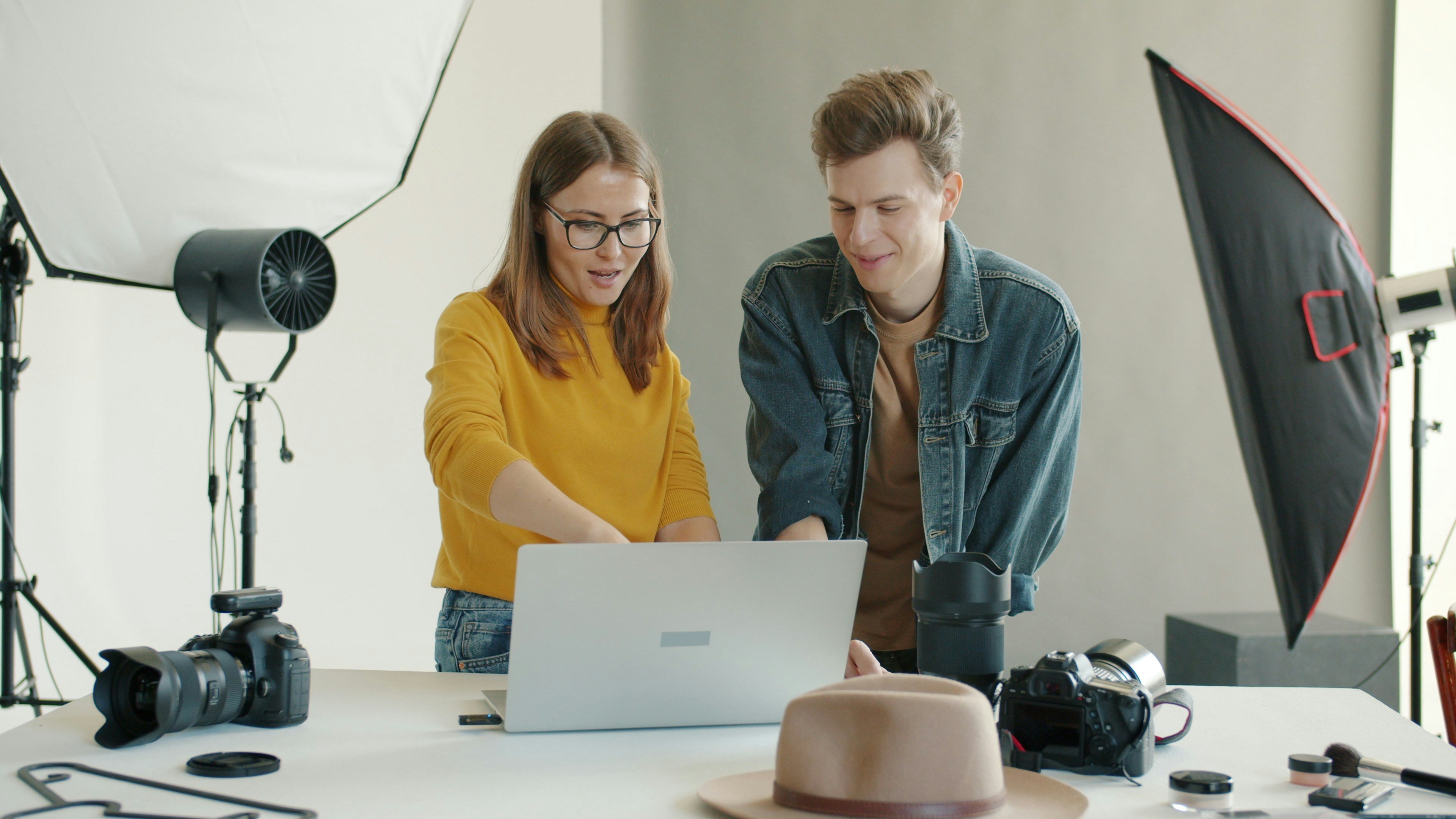
Organizing a photoshoot often requires coordinating several people at the same time photographers, models, stylists, makeup artists, and studio staff. Scheduling, preparing products, and aligning creative direction can take days of planning before the camera is even used.
For small teams and growing brands, this coordination can become a significant operational cost.
Delayed launch windows
Photoshoots can slow down product launches. If a shoot is scheduled weeks in advance, brands may need to wait before publishing new products online.
For fast-moving e-commerce brands, these delays can mean missed sales opportunities, especially when launching seasonal collections or running campaigns.
Reshoot risk
Sometimes the results simply don’t match expectations. Lighting issues, styling mistakes, or inconsistent poses may require another shoot.
Reshoots increase production costs and delay the release of product images, which can slow down the entire product launch process.
Inconsistent visuals across collections
When brands work with different photographers or studios over time, the visual style can change from one collection to another. This often leads to inconsistent product pages and brand presentation.
Maintaining a clear visual style is important for building brand identity and recognition across a store and marketing channels.
Limited flexibility
Traditional photoshoots are difficult to change once they are completed. If a brand later wants a different background, lighting style, or seasonal campaign image, creating new visuals may require organizing another shoot from scratch.
Many fashion brands today are exploring alternative ways to create product visuals that are faster and easier to iterate, especially as tools for AI product photography continue to evolve.
The marginal cost problem at scale
For small brands launching a few products, a photoshoot may feel manageable. But as a brand grows, the cost structure of traditional photography becomes harder to sustain.
Every new product typically requires new images. That means new shoots, more editing, additional coordination, and sometimes new models or locations. What starts as a single production cost quickly becomes a repeating operational expense.
For example, a brand launching 10 products may only need a small shoot. But a brand releasing 100 products across multiple collections may require multiple production days, different setups, and hundreds of edited images. At that scale, photography becomes a continuous process rather than a one-time project.
This is one of the biggest challenges for scaling fashion brands. As product catalogs expand, visual production becomes a constant requirement for product pages, marketing campaigns, and social media content.
For many online stores, the ability to produce visuals quickly becomes directly tied to their ability to increase sales and grow their store.
When traditional photography still makes sense
Despite its costs, traditional photography still plays an important role for many fashion brands. Studio shoots are often the best choice for large campaigns, editorial content, or luxury brand storytelling where creative direction and artistic control are critical.
Professional shoots can also be valuable when brands need highly customized visuals, complex lighting setups, or unique locations that are difficult to replicate digitally.
However, for everyday needs such as product listings, catalog updates, and frequent product launches, traditional photography can become slow and expensive to repeat at scale.
Many modern brands therefore combine traditional photoshoots with faster content creation methods, especially when they need to produce visuals consistently for e-commerce and social media.
The rise of virtual product photography
As fashion brands produce more content for online stores, social media, and advertising, many are starting to rethink how product images are created.
Traditional photoshoots require planning, logistics, and multiple people working together. Virtual product photography offers a different approach by allowing brands to create product visuals digitally without organizing a full studio production.
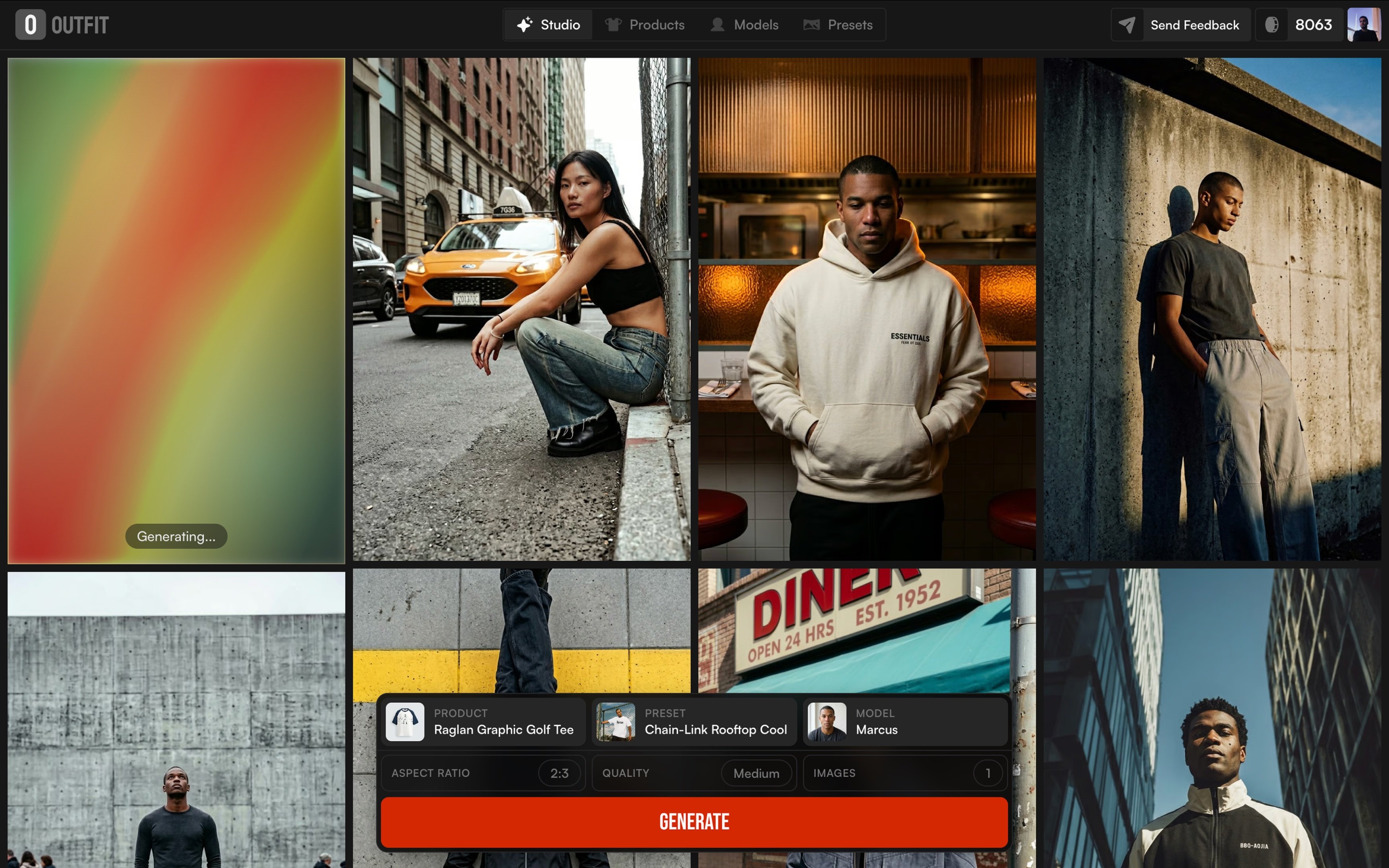
Instead of scheduling a shoot, brands can generate different backgrounds, lighting styles, and environments directly from a product image. This makes it easier to create multiple variations for campaigns, product pages, and seasonal promotions.
Platforms such as Outfit allow brands to upload a product image and generate complete lifestyle photoshoots in different scenes, helping teams create consistent visuals much faster than traditional studio workflows.
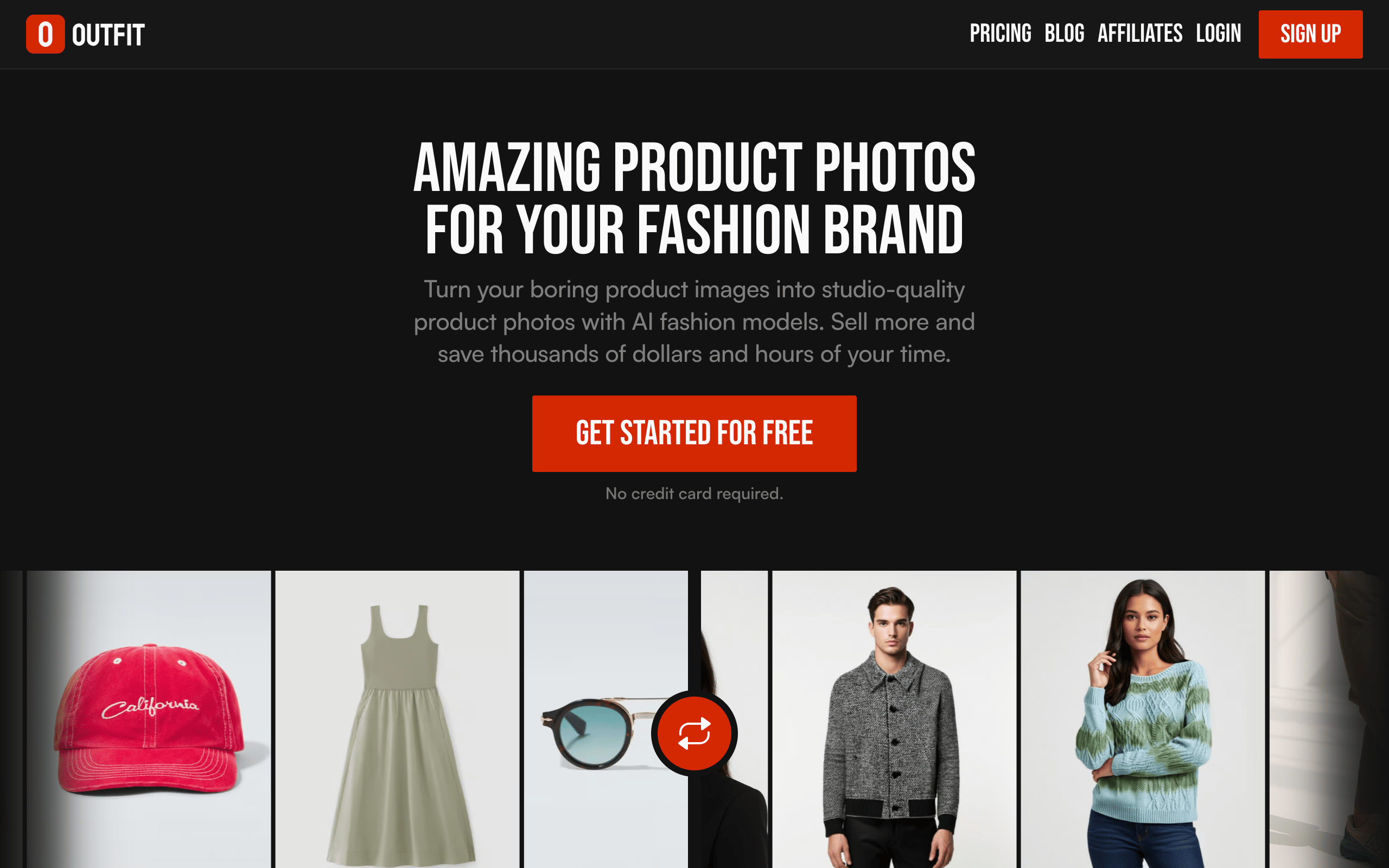
For growing e-commerce brands, this flexibility can significantly reduce the time and cost required to produce new visuals while keeping brand presentation consistent across platforms.
Strategic implications for growing brands
As fashion brands grow, visual production becomes a strategic decision rather than just a creative task. Brands need to produce images for product pages, marketing campaigns, social media, and seasonal launches often at a much faster pace than traditional photoshoots allow.
This means photography is no longer just a one-time production expense. It becomes an ongoing cost tied directly to how quickly a brand can launch products, test new campaigns, and keep its catalog updated.
Brands that can produce visual content faster often gain a competitive advantage, especially in e-commerce where new collections and marketing visuals need to be published continuously.
Final Takeaway
Product photography is no longer just a creative task. For fashion brands, it is a core part of how products are presented, how customers build trust, and how stores convert visitors into buyers.
While traditional photoshoots can produce high-quality visuals, the total cost often includes much more than the shoot itself. Planning, coordination, editing, and scaling production across multiple collections can significantly increase the overall investment.
As online retail becomes more competitive, brands need faster and more flexible ways to produce product visuals without constantly repeating expensive production processes.
Understanding the full cost structure of product photography helps brands choose the right approach for creating visuals that support both growth and efficiency.