Short product descriptions for clothing that sell (and how to write them with AI)
Short clothing product descriptions that sell: a three-part structure, five before-and-after rewrites, and an AI prompt that cuts the cliches.
A short clothing description needs three things in under 40 words: a hook, one concrete fabric-and-fit fact, and where you'd actually wear it. Get AI to draft in that shape, then cut the clichés (elevate, effortless, must-have). Here's the structure, five real rewrites, and the prompt I use.
I needed 60 product descriptions in one afternoon. So I did the obvious thing: pasted my whole product spreadsheet into ChatGPT and asked for "short, punchy descriptions that sell."
It gave me 60 paragraphs that all said some version of the same thing. "Elevate your everyday wardrobe with this timeless must-have, crafted with care and perfect for any occasion." Sixty times. Different products, identical soul.
I deleted all of them and assumed AI just couldn't do copy.
That was the wrong lesson. The problem wasn't the model. It was that I'd asked for "descriptions" with no shape, and a blank instruction is exactly what AI fills with clichés. The fix turned out to be small: give it a tiny structure and a list of words it's banned from using. Now AI writes the first draft, I edit for two minutes, and the result doesn't read like every other store on the internet.
This post is that structure, five real before-and-afters, and the prompt I paste in now.
What makes a short clothing description actually sell?
First, short. I mean one line plus three bullets, or roughly 30 to 50 words. People shop clothes on their phones and they skim, they don't read (Nielsen Norman Group has been saying this about web text for twenty years). A wall of text gets scrolled past. Three scannable lines get read.
Inside that small space, a description that sells does three jobs:
A hook. One line that names the feeling or the use. Not the fabric. The reason someone wants it.
A fact. The one concrete fabric-and-fit detail that builds trust and cuts returns. This is the part shoppers actually need and the part AI skips.
A detail and a place. One standout feature, plus where you'd wear it, so the buyer can picture it on themselves.
The mistake I made for a long time was leading with the fiber. "100% cotton, slim fit, crew neck." Nobody falls for a shirt because of the fiber content. Lead with the feeling, then back it up with the fabric. Feeling earns the read, fabric earns the trust.
Why does AI write such bad clothing descriptions?
Because when you give it no direction, it writes the average of every product description ever published. And the average product description is bad copy. So you get a smooth, confident blur of the most common words, which are exactly the words that have stopped meaning anything.
Here's my actual ban list. If AI hands you any of these, make it start over:
elevate / elevate your wardrobe
effortless, effortlessly chic
must-have, wardrobe staple, wardrobe essential
timeless, timeless elegance
curated, crafted with care, crafted to perfection
perfect for any occasion
turn heads, take your look to the next level
look no further
The tell behind all of them is the same: an adjective with no fact attached. "Luxuriously soft" tells me nothing. "Brushed cotton that doesn't pill after washing" tells me something I can decide on. Whenever AI reaches for a feeling word, make it earn it with a physical detail right after. That single rule kills most of the slop.
Five short clothing descriptions, before and after
Same products, two versions each. The "before" is what I got from a cold AI prompt. The "after" is what I shipped once I gave it the structure and the ban list.
Basic cotton tee
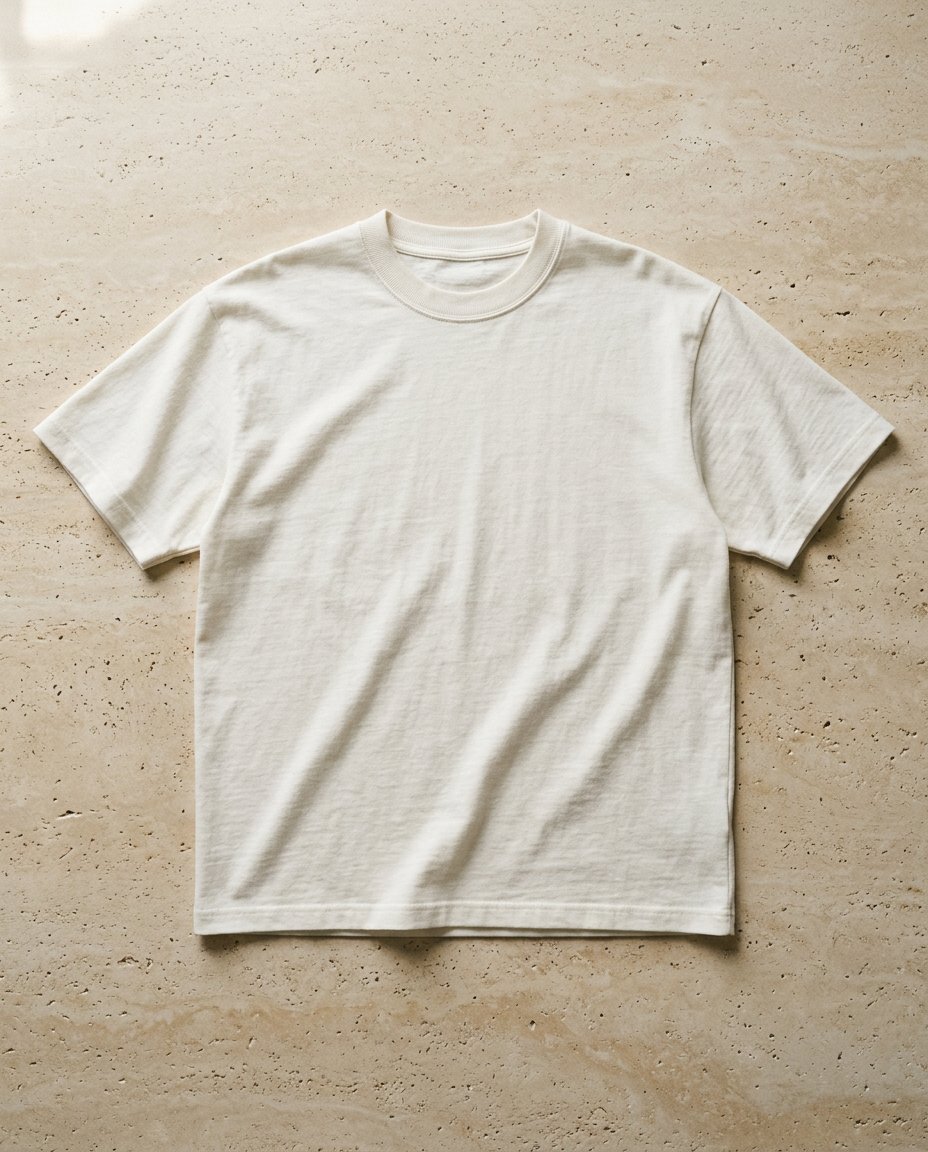
Before: Elevate your everyday style with this timeless wardrobe essential. Effortlessly versatile and perfect for any occasion.
After: The tee you'll reach for on the days you can't think about clothes. Heavyweight 220gsm cotton, boxy fit, holds its shape after the wash. Wears well under a jacket or on its own.
Why it works: a real reason (the no-thinking day), then the fact that matters on a tee (weight and fit), then where it lives.
Linen midi dress
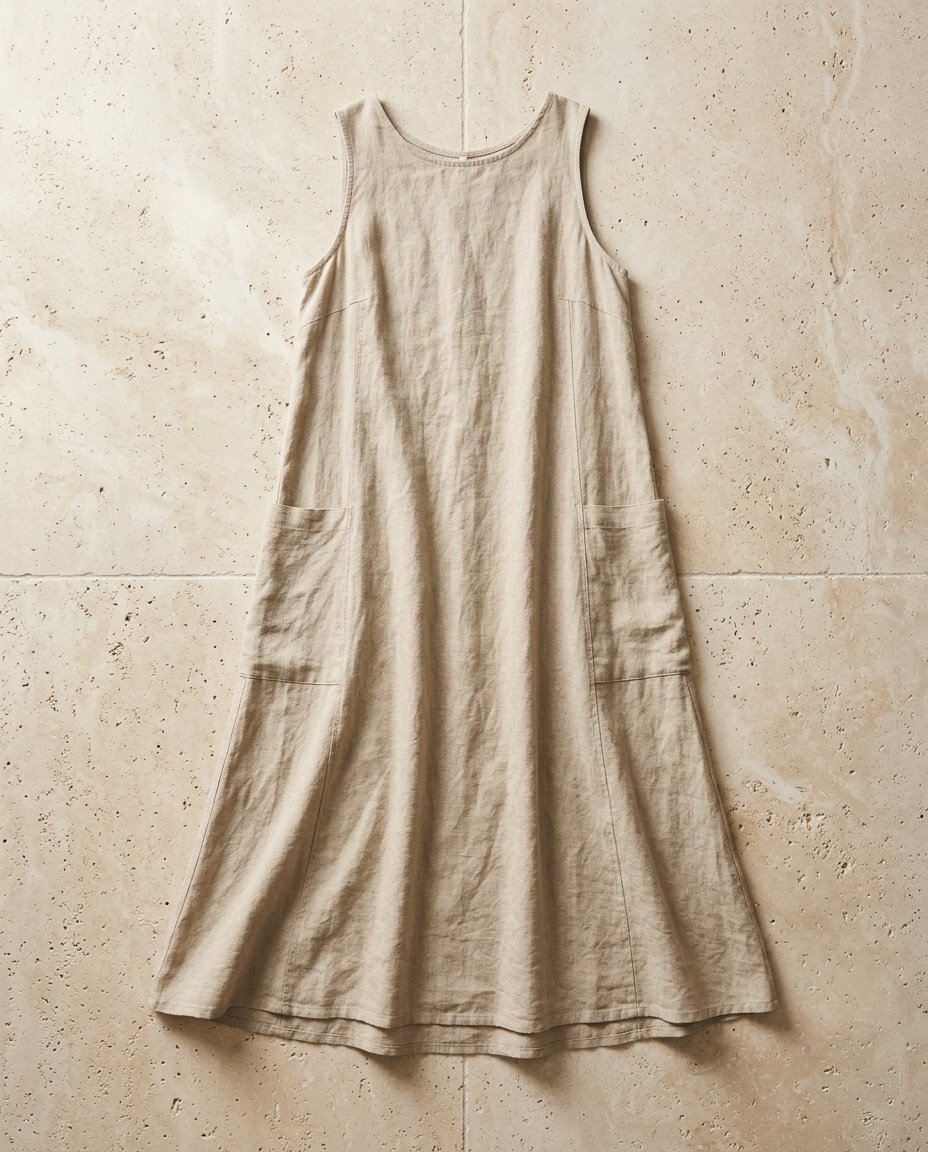
Before: A must-have addition to your summer collection. This elegant linen dress will turn heads wherever you go.
After: Built for the hottest day on the calendar. Pure stonewashed linen that breathes and creases on purpose, falls to mid-calf, with deep side pockets. Sandals now, boots and a knit when it cools off.
Why it works: "creases on purpose" handles the one objection people have about linen, instead of pretending it doesn't wrinkle.
Denim jacket
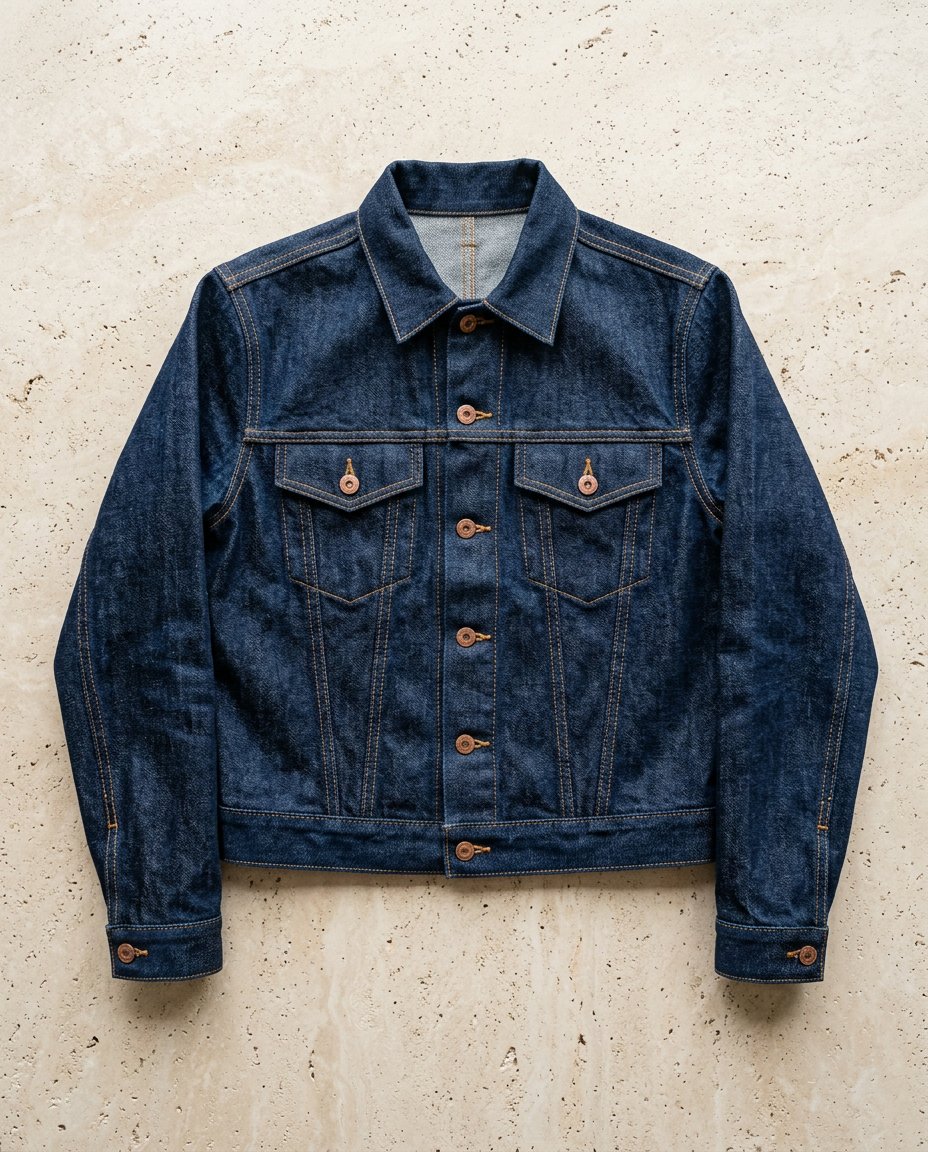
Before: Take your look to the next level with this curated denim staple, crafted for the modern wardrobe.
After: The third layer that finishes an outfit without trying. Rigid 12oz denim that fades to your shape over a year, classic trucker cut, slightly cropped. Sized to layer over a hoodie.
Why it works: "fades to your shape" is a fact only real denim people know, and "sized to layer" answers the question that drives a return.
Ribbed knit sweater
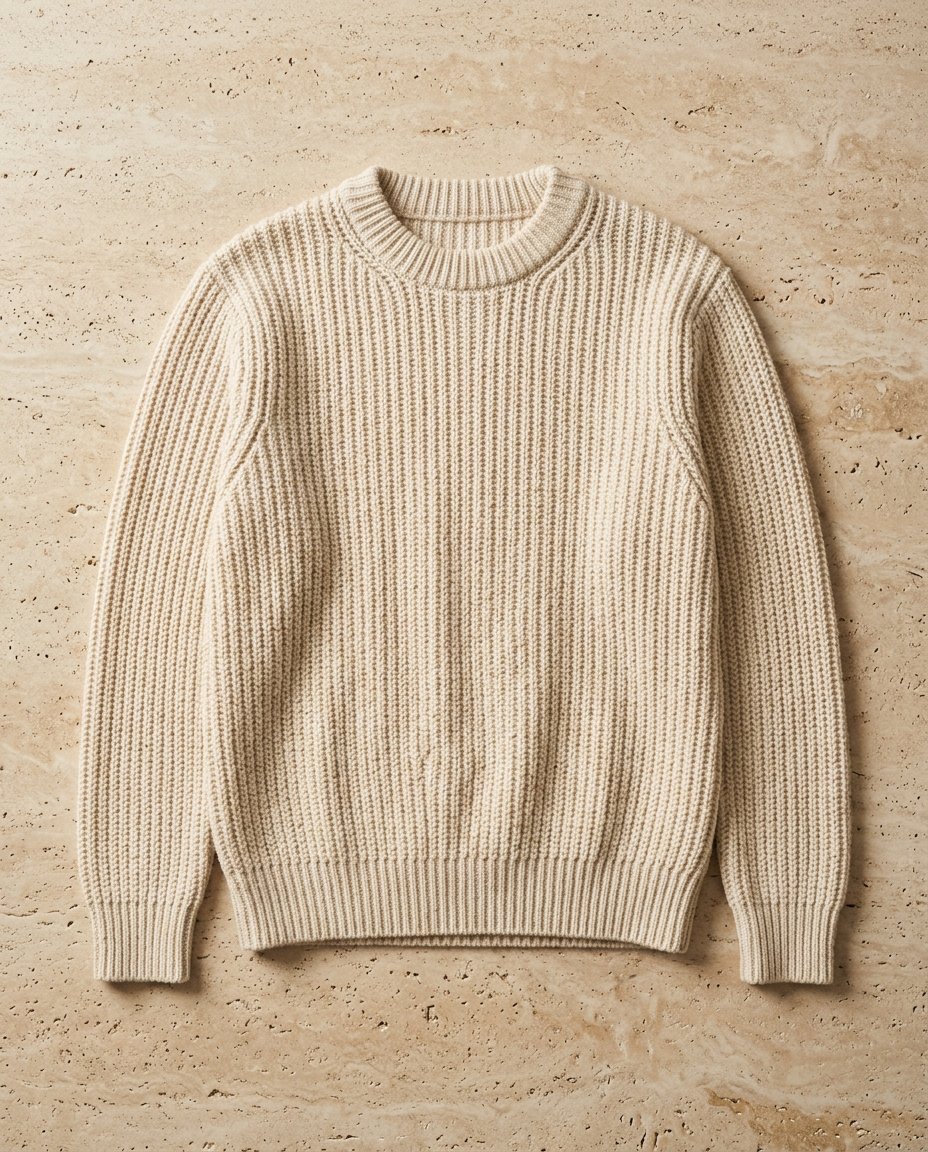
Before: Stay cozy and stylish in this timeless knit, an effortless must-have for the season.
After: Soft enough to wear with nothing underneath. Chunky ribbed cotton-wool blend, relaxed through the body, ribbing at the cuffs and hem so it keeps its shape. Runs one size generous, so size down if you like it close.
Why it works: the honest sizing note ("runs one size generous") is the single most return-preventing sentence on the page.
High-waist leggings
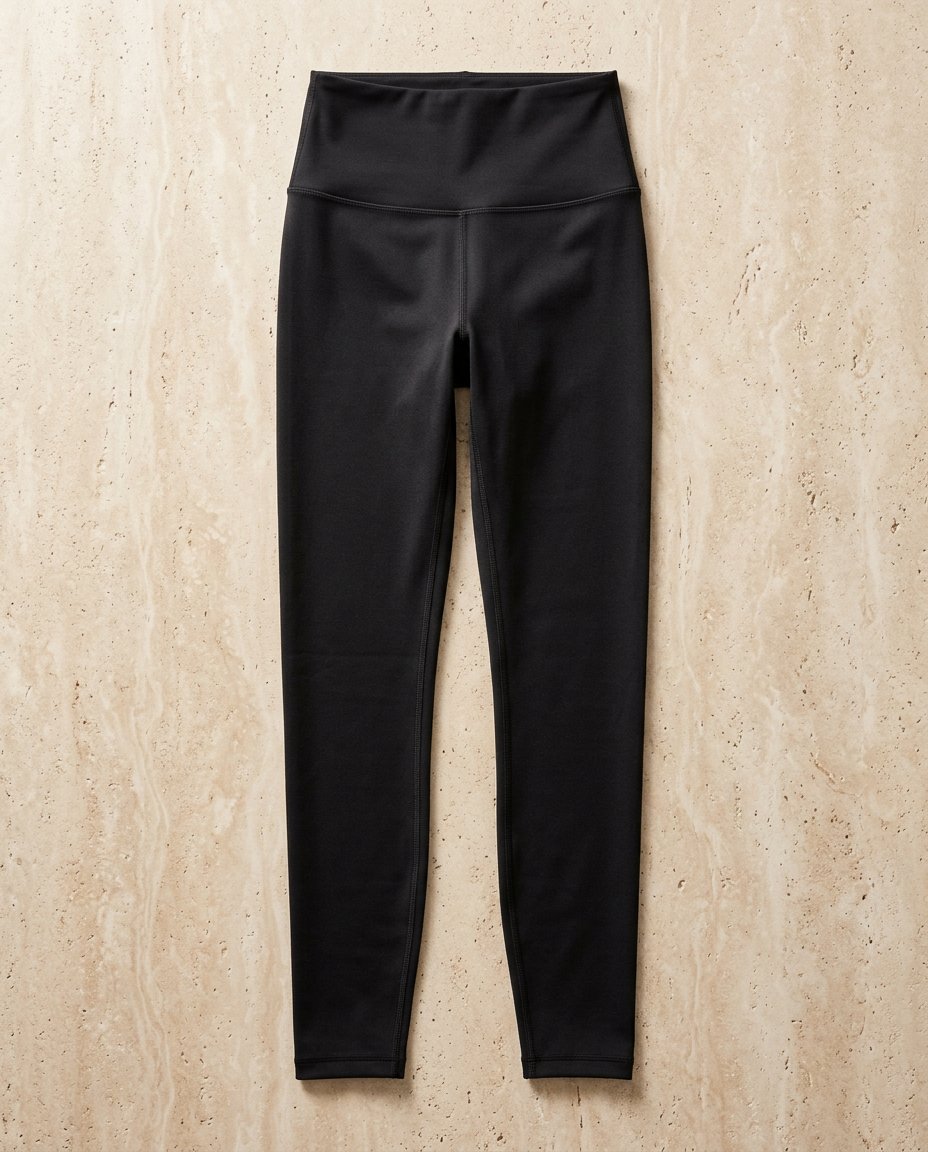
Before: Elevate your workout with these must-have leggings. Perfect for any activity, effortlessly flattering.
After: The pair you forget you're wearing by minute five. Squat-proof compression knit, high rise that stays put, no front seam. Hidden waistband pocket fits a phone. True to size.
Why it works: "squat-proof" and "no front seam" are the two things activewear buyers actually search for and worry about.
Notice none of the afters are clever. They're specific. Specific beats clever in product copy almost every time.
The prompt I paste into AI now
Here's the whole thing. Feed it one product at a time, and if your tool reads images, give it the photo too, because the photo has the details (the buttons, the weave, the hardware) that your spreadsheet row doesn't.
Write a short product description for [product]. Hard limit 40 words. Format: one opening line that names the feeling or the use, then three short bullets covering fabric and fit, one standout detail, and a sizing or care note. Use plain, specific language. Every feeling word must be backed by a physical fact. Do not use any of these words: elevate, effortless, must-have, timeless, curated, staple, perfect for any occasion, turn heads, look no further. Write like a person who owns the item and likes it, not a brand trying to sell it.
The two lines doing the heavy lifting are the ban list and the last sentence. "Write like a person who owns the item" pulls the tone out of brand-voice autopilot more than any amount of "be casual and friendly" ever did.
One more habit: run it product by product, not 60 at once. Batched, the model gets lazy and recycles the same three sentences across your whole catalog. One at a time, with the photo, you get descriptions that are actually about that product.
When you'd rather not prompt at all
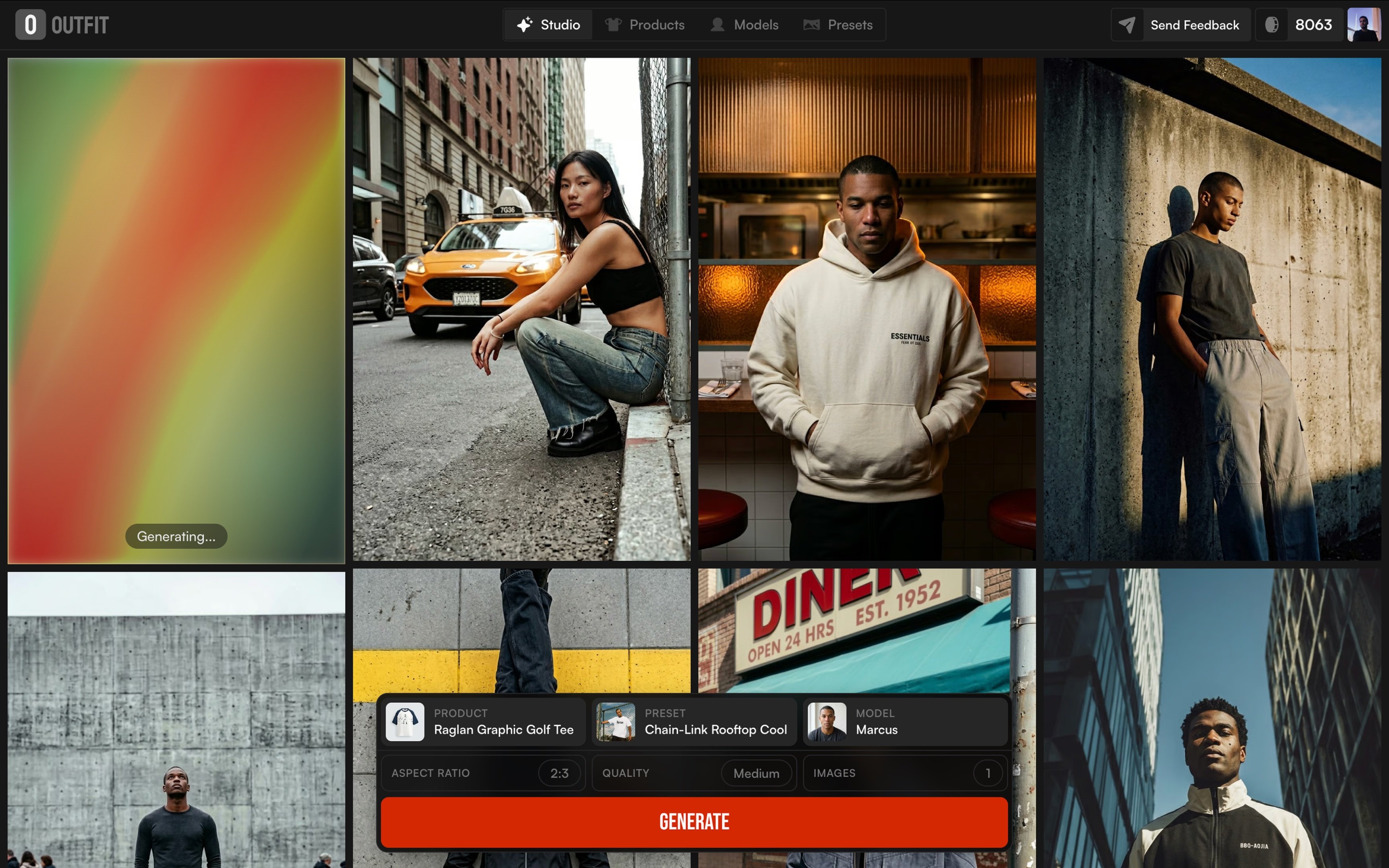
If writing and maintaining a prompt isn't how you want to spend your time, Outfit has a free product description generator that does the photo-to-description version of this. You drop in a product photo, it reads what's actually in the shot, and it writes the listing formatted for your platform, Shopify, Etsy, Amazon, eBay, WooCommerce, or TikTok Shop, since they all have different rules for title length and bullets. You pick a brand voice and a language and it gives you a first draft.
I'd still treat the output as a draft and run it past the checklist below, the same as anything AI writes. But it skips the prompt-wrangling, and the platform formatting is genuinely useful if you're listing the same product in more than one place. If Amazon is one of those places, their image and listing rules are stricter than most and worth reading first.
How short is too short?
Match the length to the price and the return risk. That's the honest answer.
A $20 tee can live on a single good line. The buyer isn't agonizing, and more words just delay the add-to-cart. But a $400 coat earns its bullets. At that price the shopper is de-risking a real decision, and they want fabric weight, lining, fit, and care before they commit. Sizing and fit uncertainty is one of the most common reasons clothes get returned, so on a higher-priced or harder-to-fit item, the extra two lines that prevent one return are worth more than the brevity.
So: cheap and simple, go shorter. Expensive or fit-sensitive, give it the full three bullets. Don't pad a basic, and don't starve a big purchase.
Before you publish
The gut check I run on every description, AI-written or not:
Does it open with a feeling or a use, not the fiber content?
Is there one concrete fabric-and-fit fact in there?
Did I cut every word on the ban list?
Is it under about 50 words, or one line plus three bullets?
Does it read like someone who owns the item, not a brand selling it?
Is the sizing honest enough to actually prevent a return?
If any answer is no, it's not done. This takes about thirty seconds and it's caught more lazy copy than I'd like to admit.
Conclusion
AI didn't ruin product copy. Vague instructions did. Give it a small structure, hand it a ban list, feed it the photo, and edit for two minutes per product instead of rewriting from scratch. The descriptions that sell aren't the clever ones. They're the specific ones, short enough to read on a phone and honest enough to keep the thing in the cart.
FAQ
How long should a clothing product description be?
For most items, one line plus three bullets, or roughly 30 to 50 words. Go shorter on cheap basics where the buyer decides fast. Go longer (full bullets on fabric, fit, and care) on expensive or fit-sensitive items where the shopper needs to de-risk the purchase.
What's the best AI prompt for clothing descriptions?
Give the model a format (one hook line plus three bullets), a hard word limit, a ban list of clichés (elevate, effortless, must-have, timeless), and one instruction to write like someone who owns the item. Feed it the product photo if your tool reads images. The full prompt is in the section above.
How do I stop AI descriptions from sounding like AI?
Ban the cliché words outright, and make every feeling word earn its place with a physical fact right after it. "Soft" alone is AI. "Brushed cotton that doesn't pill" is a person. Writing one product at a time, instead of batching your whole catalog, also stops the model from recycling the same three sentences.
Do short product descriptions hurt SEO?
No, as long as the words people search for are still in there. Your fabric, fit, cut, and category terms ("high-waist", "linen", "cropped") do the SEO work, and they fit naturally inside the bullets. Search engines read those bullets fine. A short, specific description usually beats a long, generic one on both conversion and search.