7 Simple Ways to Enhance your Product Images
Learn 7 simple ways to enhance your product images, boost visual quality, and create more professional, conversion-ready visuals for your brand.
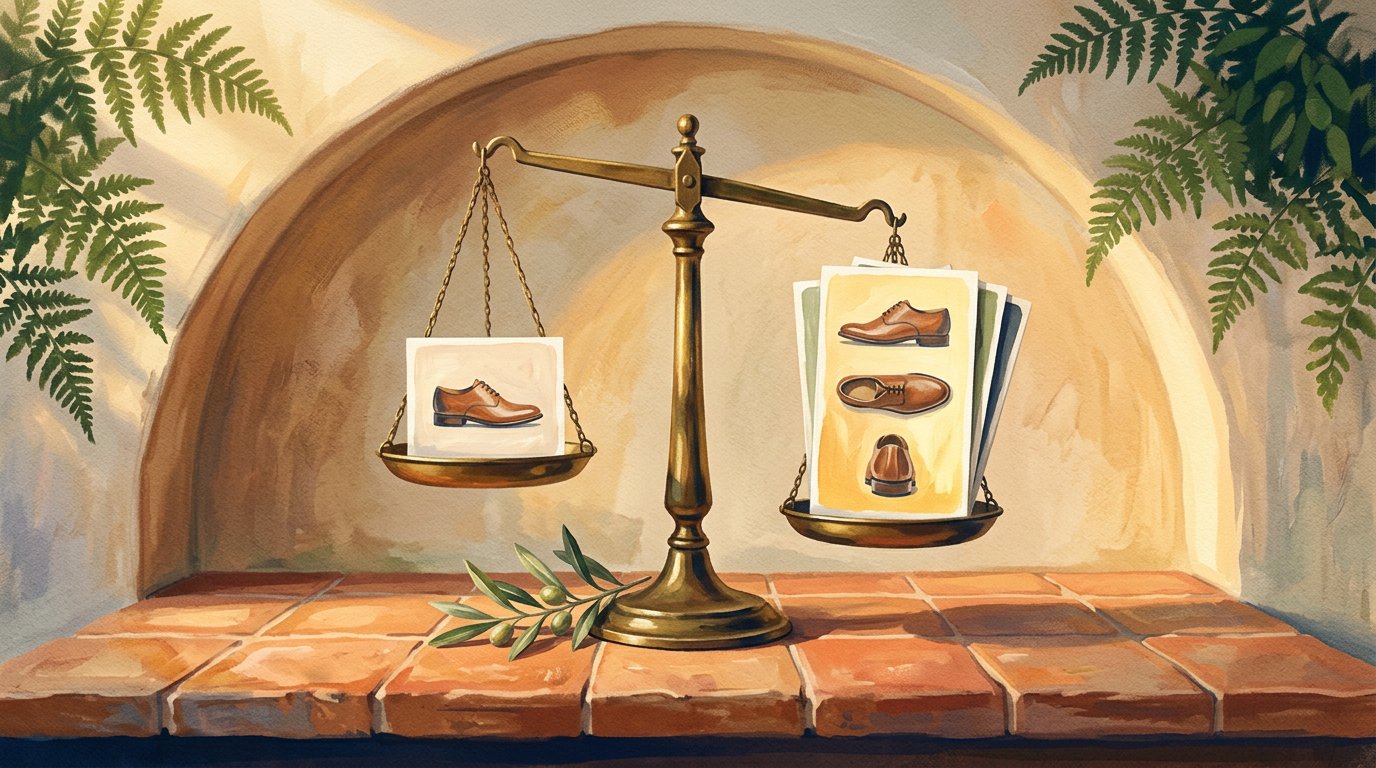
Your product might be great, but if your images don’t show that, people won’t feel it. Online, customers can’t touch your fabric, test the texture, or see the real quality in person, they judge everything from the image.
Most new brands don’t struggle because their products are bad. They struggle because their visuals look average. And average visuals don’t build excitement or trust.
The good news? Enhancing your product images doesn’t require a studio, a big budget, or complicated equipment. Small, intentional changes can instantly make your brand look more premium. In this guide, you’ll discover seven simple and practical ways to upgrade your product images and make them work harder for your business.
1. Improve your lighting
Lighting alone can completely change how your product looks.
Bad lighting makes even premium products feel cheap. Harsh shadows, yellow tones, or uneven brightness instantly lower perceived quality. Soft, balanced lighting highlights texture, shape, and detail and makes your product look more expensive.
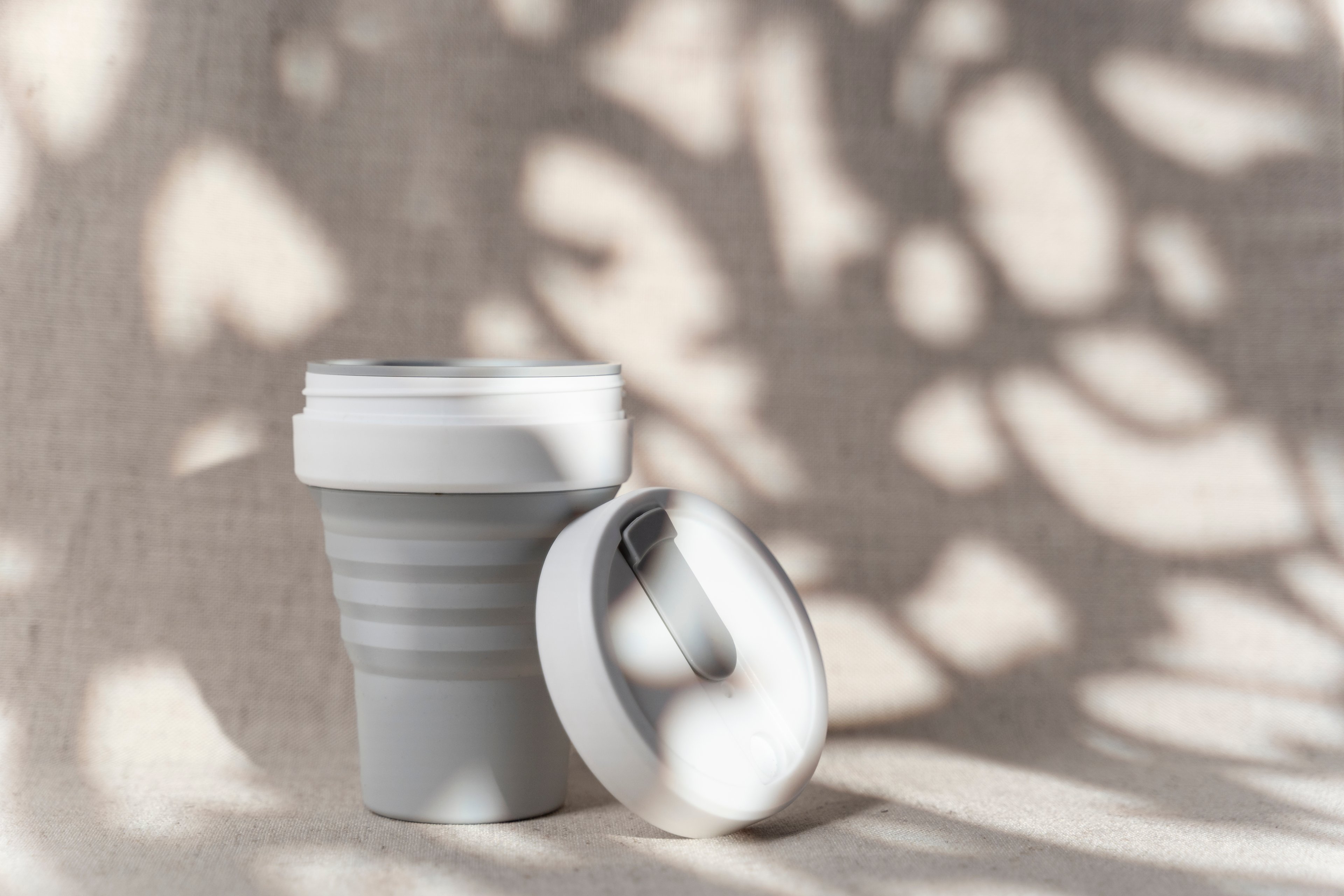
You don’t need a professional studio to fix this. Natural light near a window often works better than artificial lighting. Avoid direct sunlight that creates hard shadows. Instead, shoot in soft daylight and use a simple white surface like foam board or even paper to reflect light back onto your product.
Small lighting adjustments can instantly upgrade your image without changing anything else.
2. Use clean, intentional backgrounds
Your background should support your product not compete with it.
Busy or inconsistent backgrounds distract the eye and reduce perceived value. A clean, neutral background keeps the focus where it belongs. That doesn’t mean everything has to be white. It means the background should match your brand mood and stay consistent across your images.
For example, a minimal fashion brand might use soft beige or gray tones. A streetwear brand might prefer textured concrete or urban settings. The key is intention.
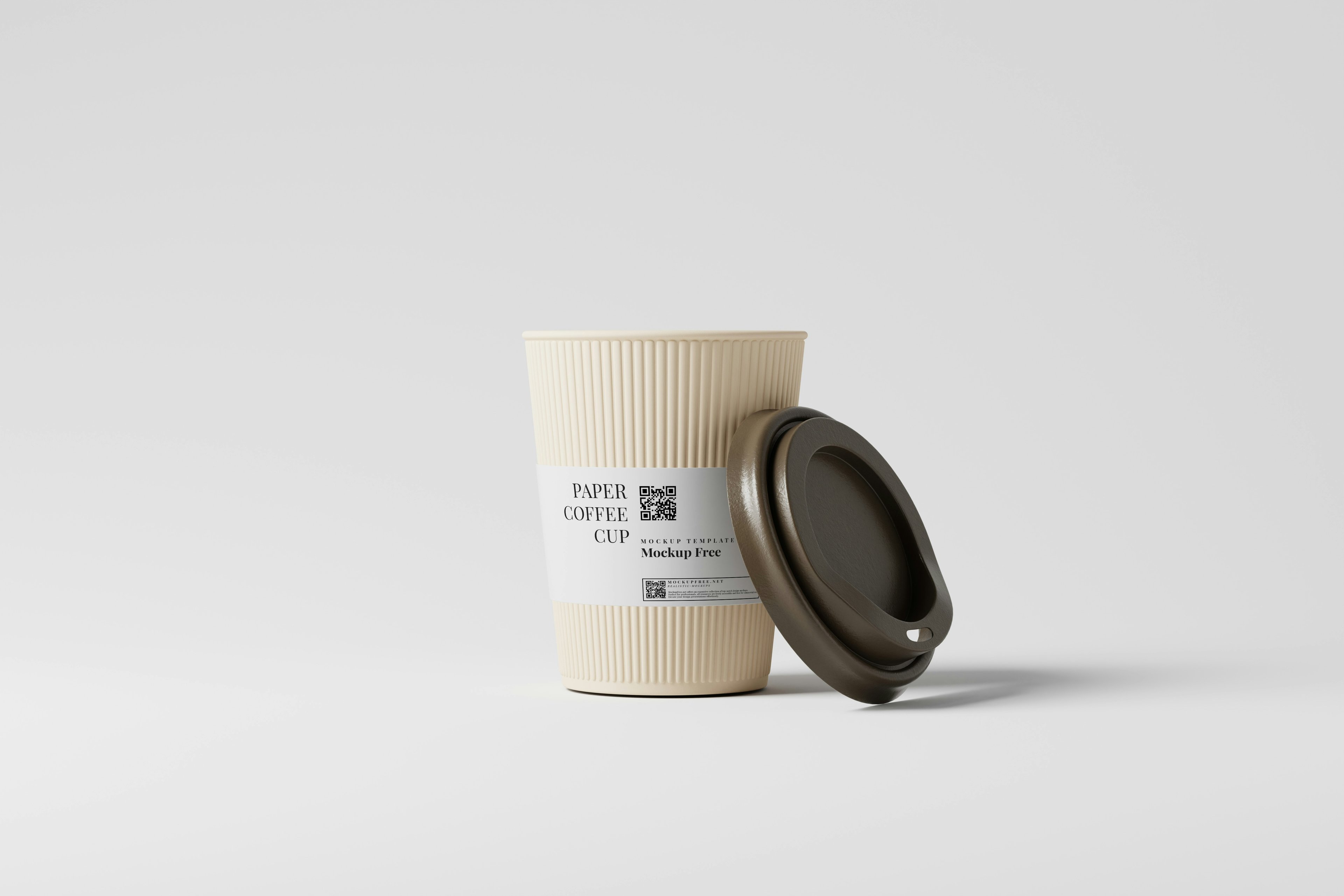
If you want to understand why background simplicity improves clarity and conversion, this guide on product photography backgrounds explains the impact in detail.
Consistency also matters. When your backgrounds change randomly from post to post, your brand starts to feel scattered. That’s why creating a consistent visual language for your brand helps your product images look more professional and recognizable over time.
3. Focus on sharpness and detail
Blurry images instantly reduce trust. If customers can’t clearly see the texture, stitching, or finish of your product, they assume the quality isn’t there. Sharp, detailed images make your product feel more premium and more reliable.
Always shoot at the highest resolution possible and avoid over-compressing your images. Clean your lens and stabilize your camera to prevent subtle blur. Even small improvements in clarity can change perception.
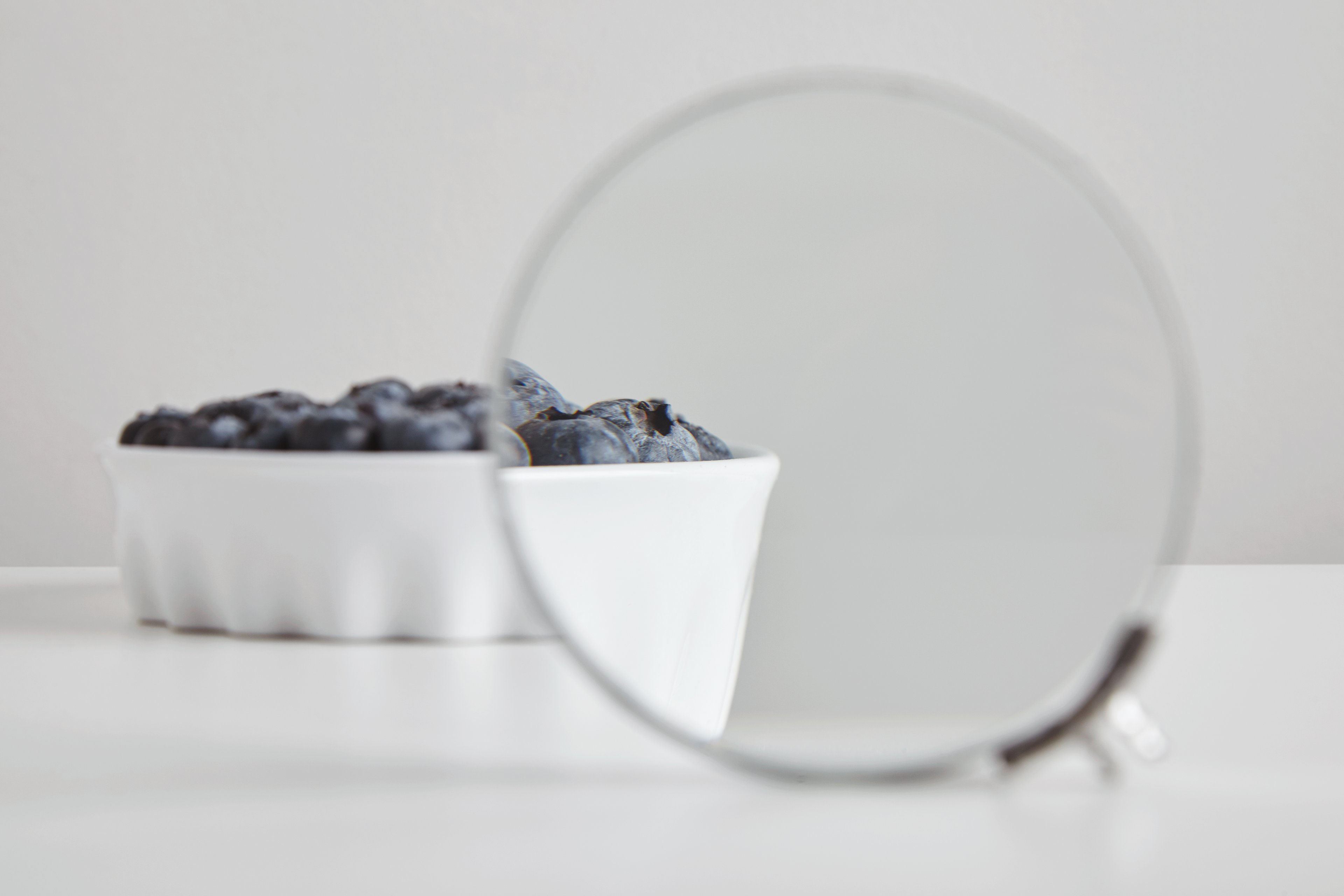
If you already have slightly blurry photos, you can use tools like Cutout.pro’s Photo Enhancer & Sharpener to improve sharpness without reshooting everything.
Zoomed-in detail shots also make a big difference. Showing fabric texture, hardware, or stitching up close is part of what makes certain essential product shots so effective in e-commerce. Clear details help customers feel more confident about what they’re buying.
4. Maintain consistent color tones
Color consistency is one of the simplest ways to make your brand look more professional.
If your product looks warm in one photo and cool in the next, it creates confusion. Even if the product is the same, inconsistent tones make your feed feel unorganized and less trustworthy.
Try to keep your white balance similar across all your images. Adjust brightness and contrast carefully, but avoid heavy filters that change the true color of your product. Your goal isn’t dramatic editing, it’s natural consistency.
When your tones stay aligned across your website and social media, your brand becomes easier to recognize even before someone reads your name.
5. Show Your Product in Context
A clean product shot is important. But context is what makes people imagine owning it.
When customers see your product being used in real life, it becomes easier to picture it in their own world. A hoodie worn on the street feels different from a hoodie folded on a table. A bag placed on a café chair tells a different story than one photographed against a plain wall.
Context adds emotion. It shows scale. It shows purpose.
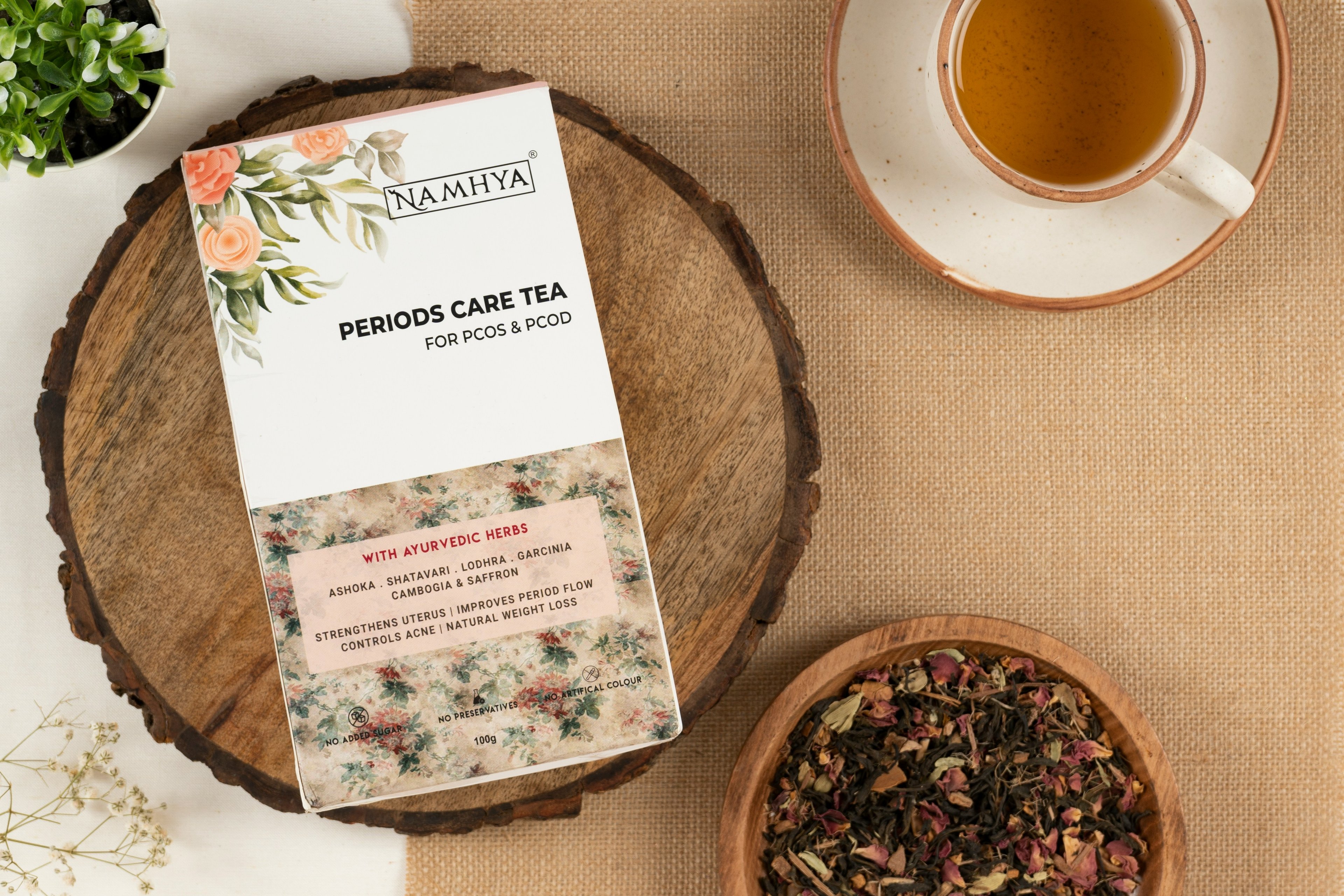
Lifestyle images don’t need to be complicated. Even small environmental details, natural light, textured walls, simple props can make your product feel more real and more desirable.
This is also why mixing clean studio-style images with lifestyle shots is considered one of the essential product shots brands use to build stronger perception.
When people can imagine using your product, they move one step closer to buying it.
6. Use AI to create more without reshooting
Reshooting products every time you need a new background or campaign angle isn’t realistic especially for growing brands.
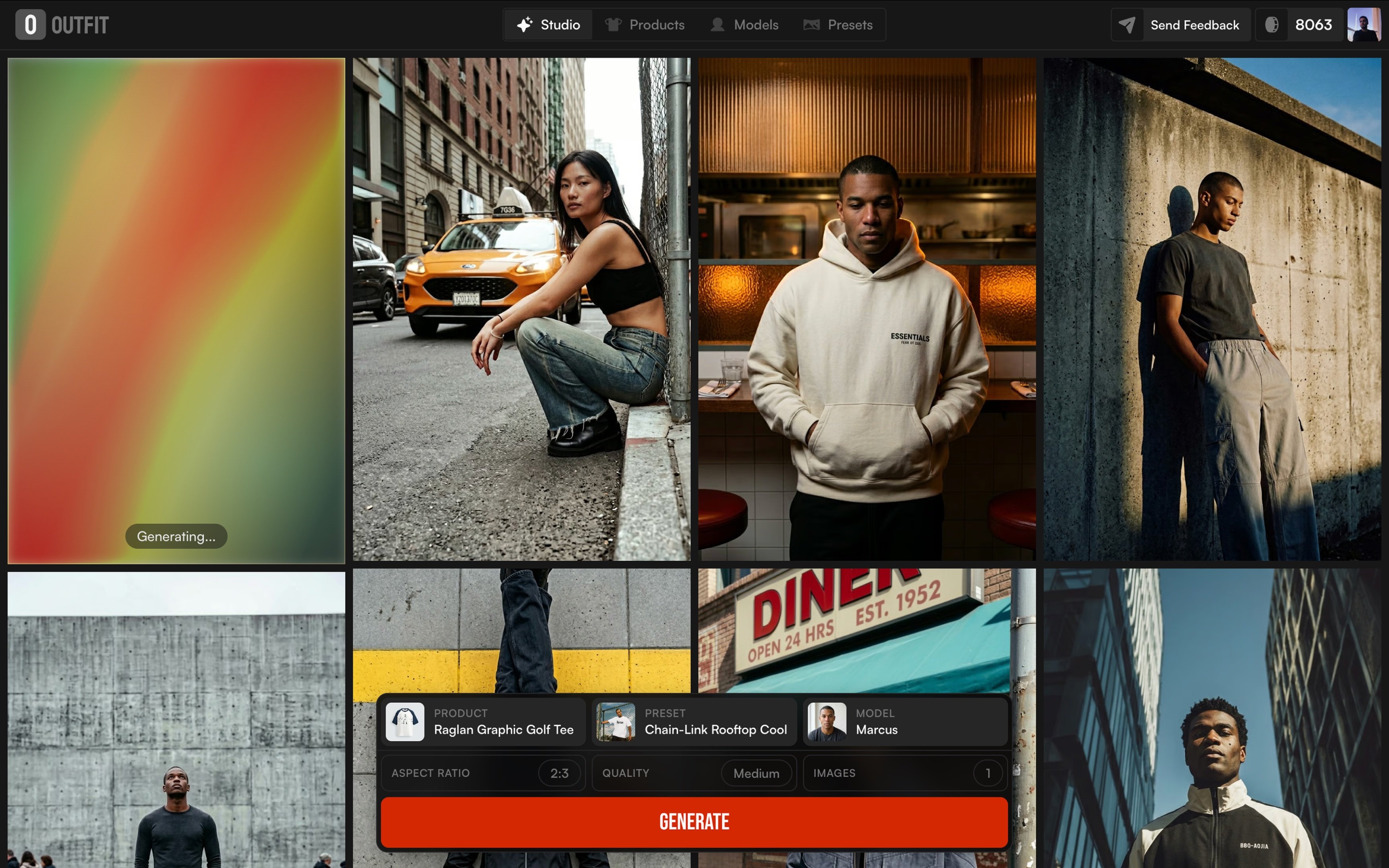
Instead of setting up new locations, props, and lighting again and again, many brands now use AI tools to generate multiple variations from a single product image. This makes it easier to test different vibes, scenes, and formats without increasing production costs.
Tools like Outfit allow brands to upload one clean product photo and turn it into different lifestyle visuals, model shots, or campaign-ready images in seconds. That flexibility helps you stay consistent while producing more content for social media, ads, and product pages.
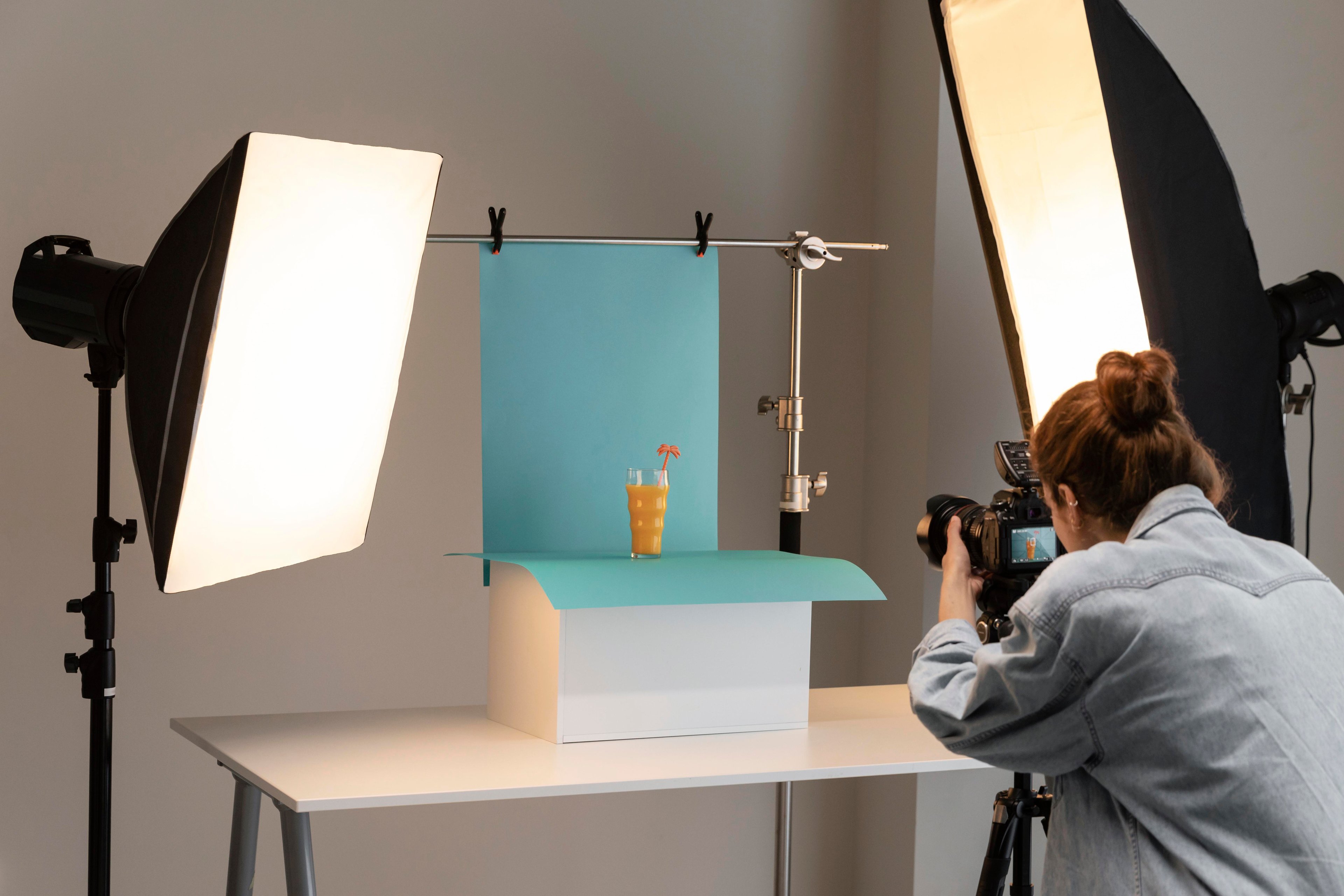
A photographer shooting a product with studio lights for a clean, professional look.
If you're exploring how to take clothing product photos with AI, you’ll see how one upload can expand into multiple polished visuals without needing a full studio setup.
This doesn’t replace creativity, it simply removes the production barrier that usually slows brands down.
7. Optimize your images for each platform
Enhancing your product images isn’t just about how they look, it’s also about how they’re displayed.
An image that looks great on your website might not perform the same way on Instagram or TikTok. Different platforms require different formats, sizes, and cropping styles. If your product gets awkwardly cut off or loses clarity after uploading, it affects perception.
Make sure your images are exported in the right dimensions for each platform. Keep enough space around your product so it doesn’t feel cramped when cropped vertically. And always test how it looks on mobile, since that’s where most people will see it.
Each platform regularly updates its image specifications, so reviewing the official Instagram image size guidelines can help you avoid formatting issues that make your content look unprofessional.
When your product images are optimized for where they’re shown, they simply work better.
Conclusion
Enhancing your product images doesn’t require a professional studio or a massive budget. Most of the time, it’s the small, intentional improvements better lighting, cleaner backgrounds, sharper details, consistent tones, and proper formatting that create the biggest difference.
Strong visuals build trust. And trust makes buying easier.
The brands that grow faster aren’t always the ones with the biggest teams or the most expensive equipment. They’re the ones that treat their product images as a core part of their brand experience.
Start simple. Improve one element at a time. Stay consistent.
Your product might already be great, your images should reflect that.