How Fashion Brands Design Product Pages That Sell
Great products don't sell without great product pages. Discover how fashion brands design pages that turn visitors into buyers.
You've spent months designing the perfect piece. The fabric is right, the fit is right, the price is right. But customers land on your product page and leave without buying.
Most of the time, it's not the product. It's the page.
In this guide, we're breaking down exactly how fashion brands design product pages that actually convert and what you can start doing differently today.
Why product pages matter in fashion ecommerce
Your product page is the moment of truth. Not your homepage, not your Instagram feed, not your ads, the product page is where a visitor decides whether to become a customer or leave and buy from someone else.
In fashion especially, that decision happens fast. Shoppers are visual. They're impatient. And they're comparing you to every other brand they've visited that day. If your page doesn't immediately communicate value through visuals, information, and feel, you've already lost them.
The brands that convert well understand this. They don't just display a product. They present it in a way that makes buying feel like the obvious next step.
Start with strong visuals
If there's one thing that separates a product page that sells from one that doesn't, it's the quality of the images. In fashion, your visuals aren't just decoration, they're doing the actual selling.
Think about how you shop online. You zoom in. You look for texture. You try to imagine how it fits on a real person. Your customers are doing exactly the same thing. A single flat image on a white background isn't enough anymore, shoppers expect more, and the brands winning right now are giving them more.
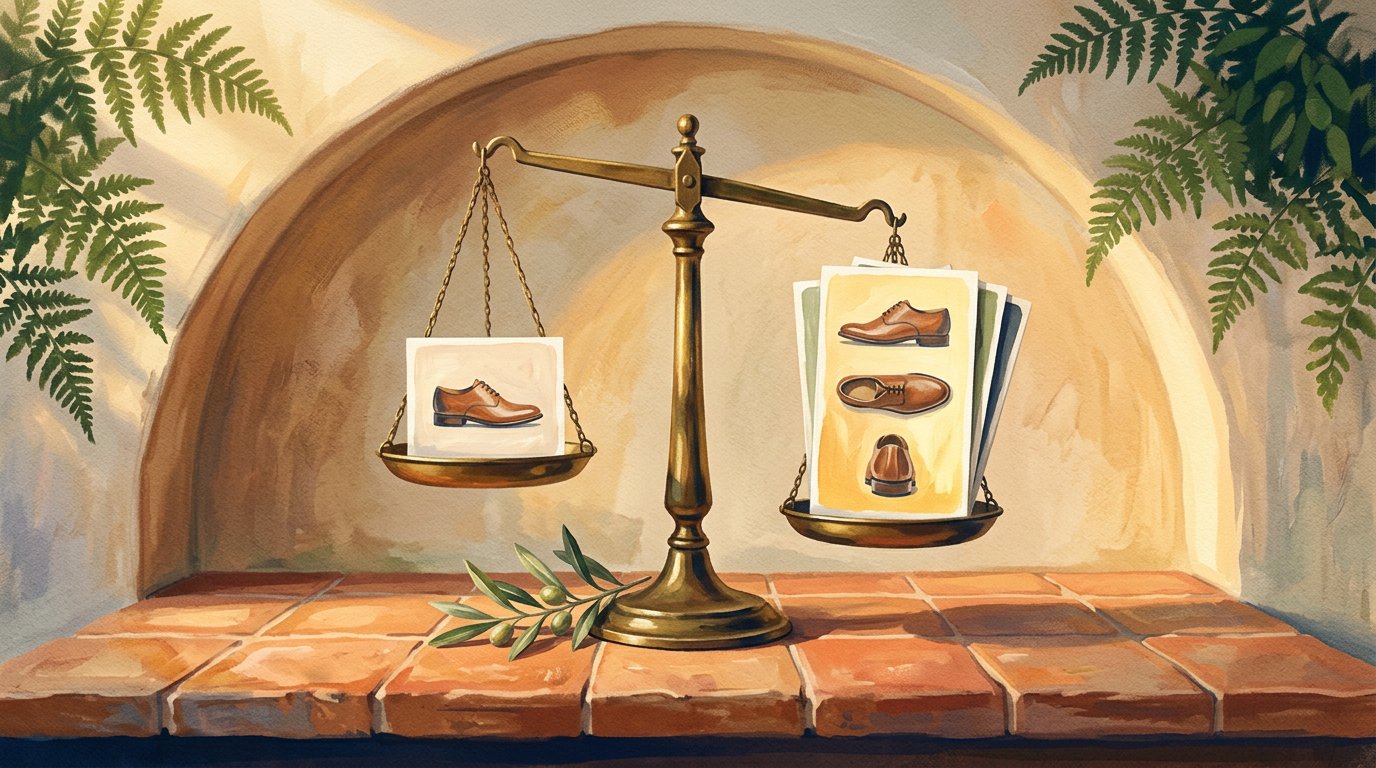
A strong product page needs a main shot, multiple angles, close-up texture details, and at least one lifestyle image showing the piece in a real setting. Most brands don't realize there are at least 12 distinct types of product shots worth considering and each one is doing a different job for the customer.
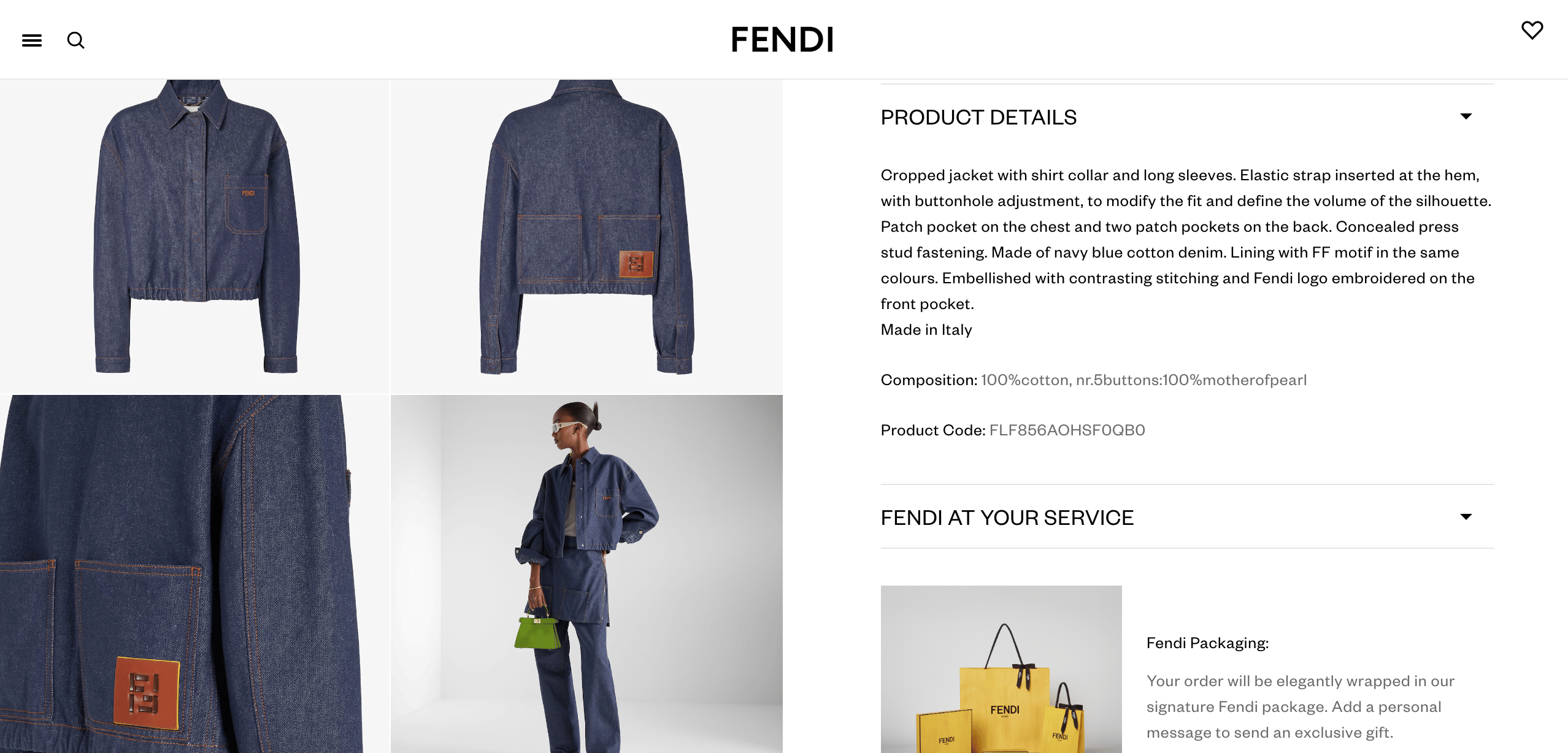
Fendi is a good example of this done right. Their product pages include a Style With section that shows the item as part of a complete look so customers don't just see a jacket, they see how to wear it. That context is what turns browsing into buying.
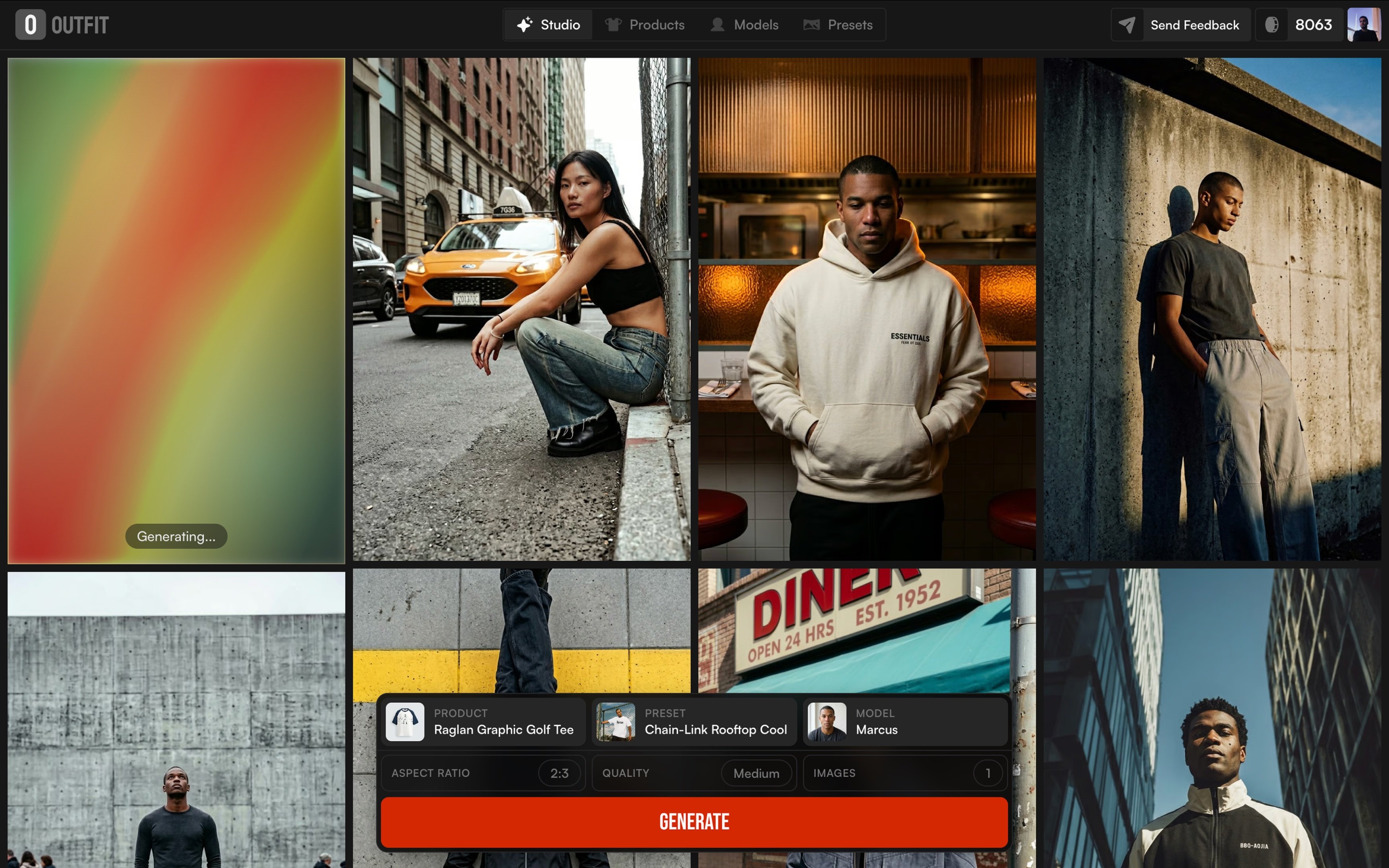
You don't need that kind of budget to think the same way. AI tools like Outfit let brands generate professional lifestyle photos without booking a photographer, a location, or a model.
Write clear, benefit-focused descriptions
Most fashion product descriptions fail for the same reason: they describe the product instead of selling it. Cotton oversized hoodie. Available in black and white, Cool but why should I buy it?
The difference between a description that converts and one that doesn't comes down to one thing: benefits over features. A feature tells you what a product is. A benefit tells you what it does for you. 100% Organic Cotton is a feature. Soft against your skin and breathable enough to wear all day is a benefit. One informs. The other persuades.
A good description should also answer the unspoken questions every shopper has: When would I wear this? How will it fit? What does it feel like? If your description can answer those before the customer even thinks to ask, you've already written something that sells.
Provide the information shoppers need
Even if the product looks great, missing information can quickly stop a customer from completing a purchase. Fashion shoppers often have practical questions about sizing, materials, and fit.
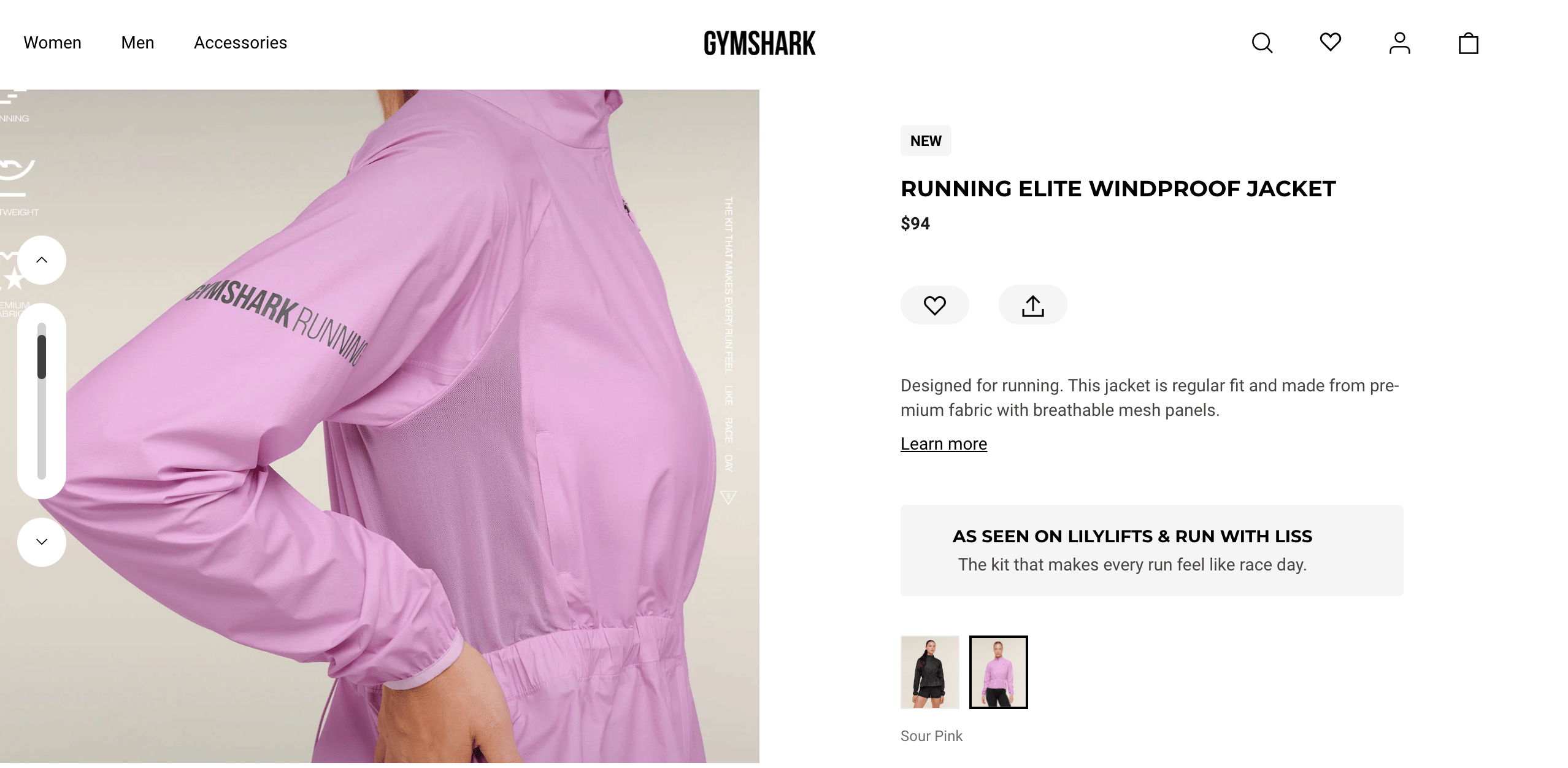
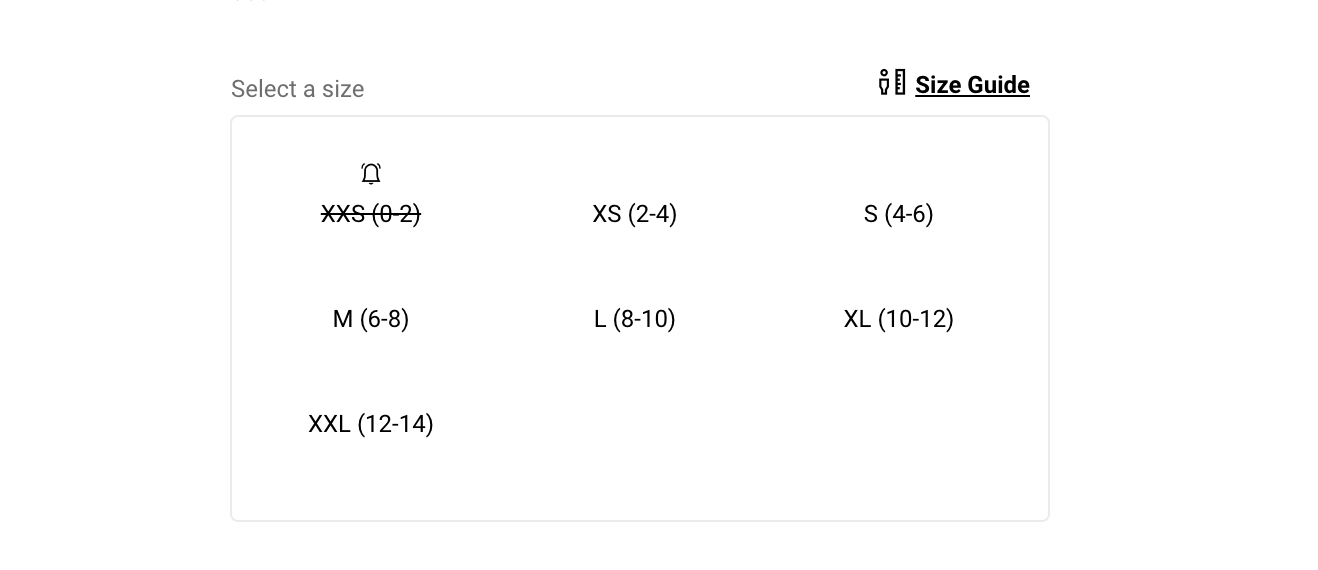
To reduce uncertainty, product pages should provide key details such as:
Available sizes
Fabric or material composition
Care instructions
Product identification code
Color or style variants
A size guide
When shoppers find all the information they need in one place, they feel more confident about their decision. Clear details also reduce product returns, which is a major challenge in fashion ecommerce.
Show the Product in Real Life
Fashion is about context. Customers don’t just want to see a product, they want to see how it fits into an outfit or a lifestyle.
Showing a product in real situations helps shoppers understand scale, fit, and styling possibilities. This can include:
Models wearing the item
Outfit combinations
Everyday environments such as streets, cafes, or travel scenes
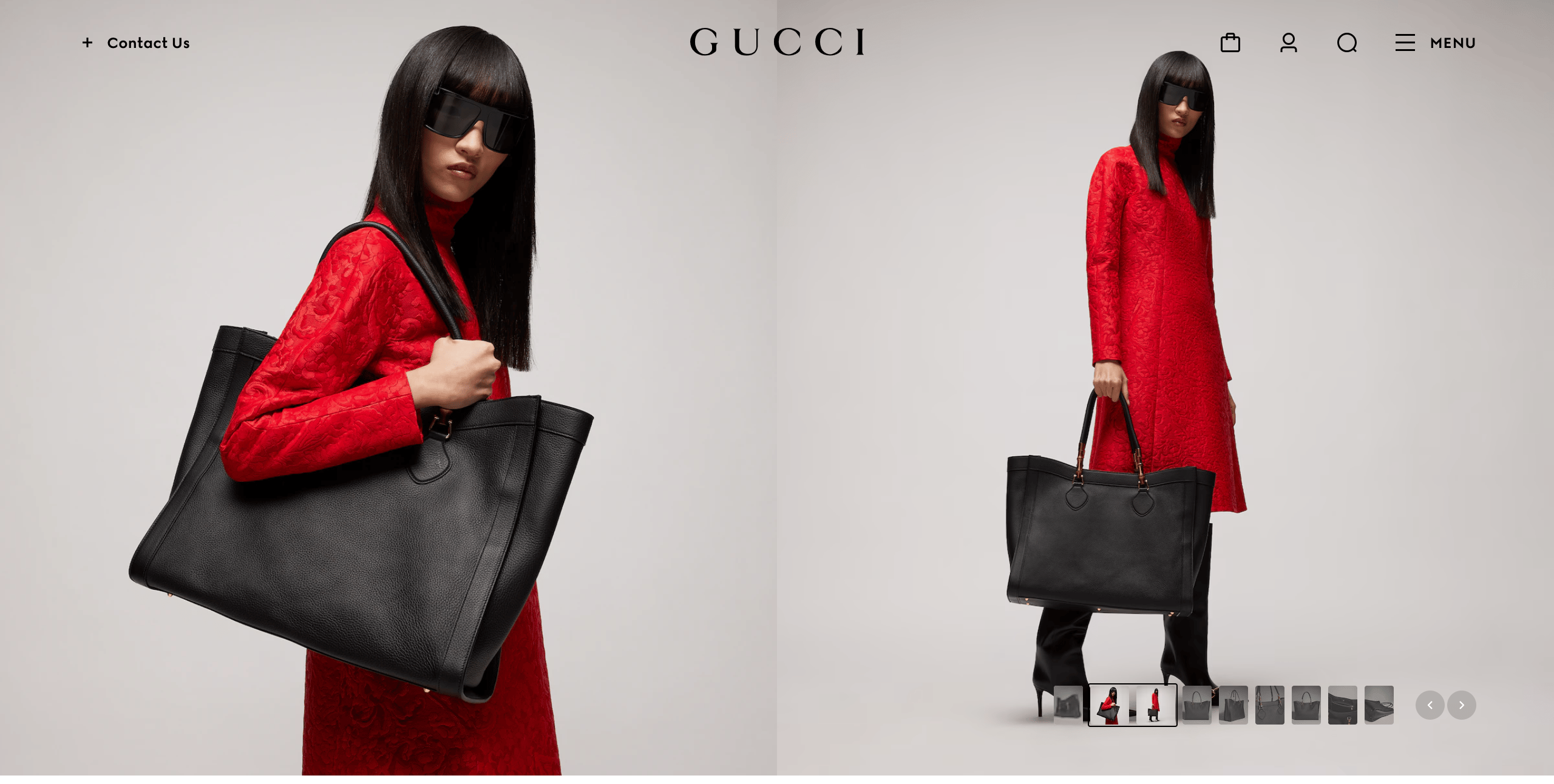
These visuals help transform a simple product into a complete style idea. When shoppers see how the item looks in real life, they can imagine wearing it themselves, which significantly increases purchase intent.
Build trust with social proof
Trust plays a huge role in online purchasing decisions. When customers cannot physically touch or try a product, they rely on the experiences of others.
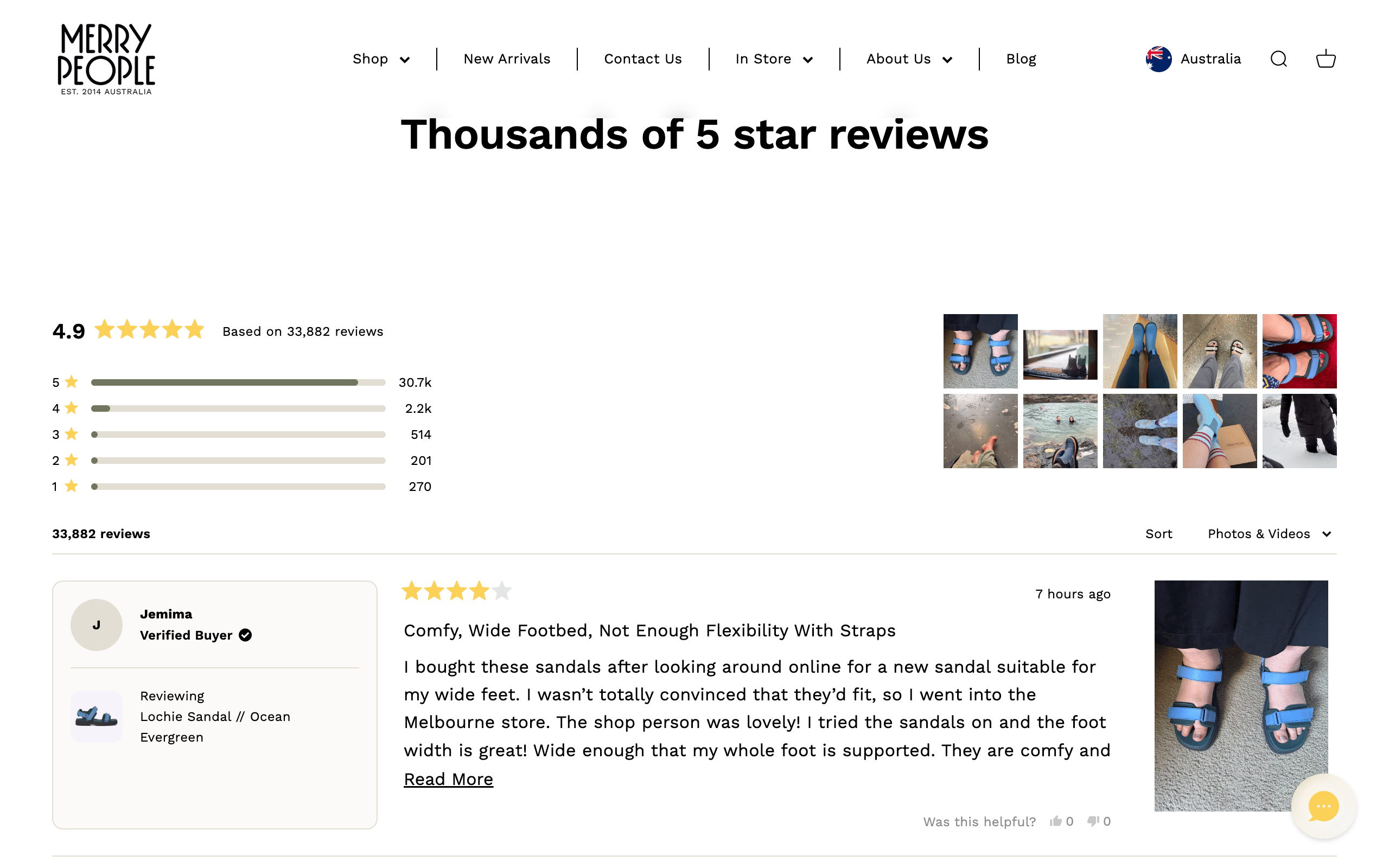
Adding social proof to a product page helps reduce hesitation and build credibility. This can include:
Testimonials
Photos shared by customers
Even a small number of authentic reviews can make a difference. Seeing that others have purchased and enjoyed the product reassures potential buyers and makes the brand feel more trustworthy.
Make buying easy
Even the most beautiful product page can lose sales if the buying process is confusing. The purchase path should be simple and intuitive.
In fact, complicated buying processes are one of the biggest causes of shopping cart abandonment in ecommerce.
A strong product page includes clear shopping elements such as:
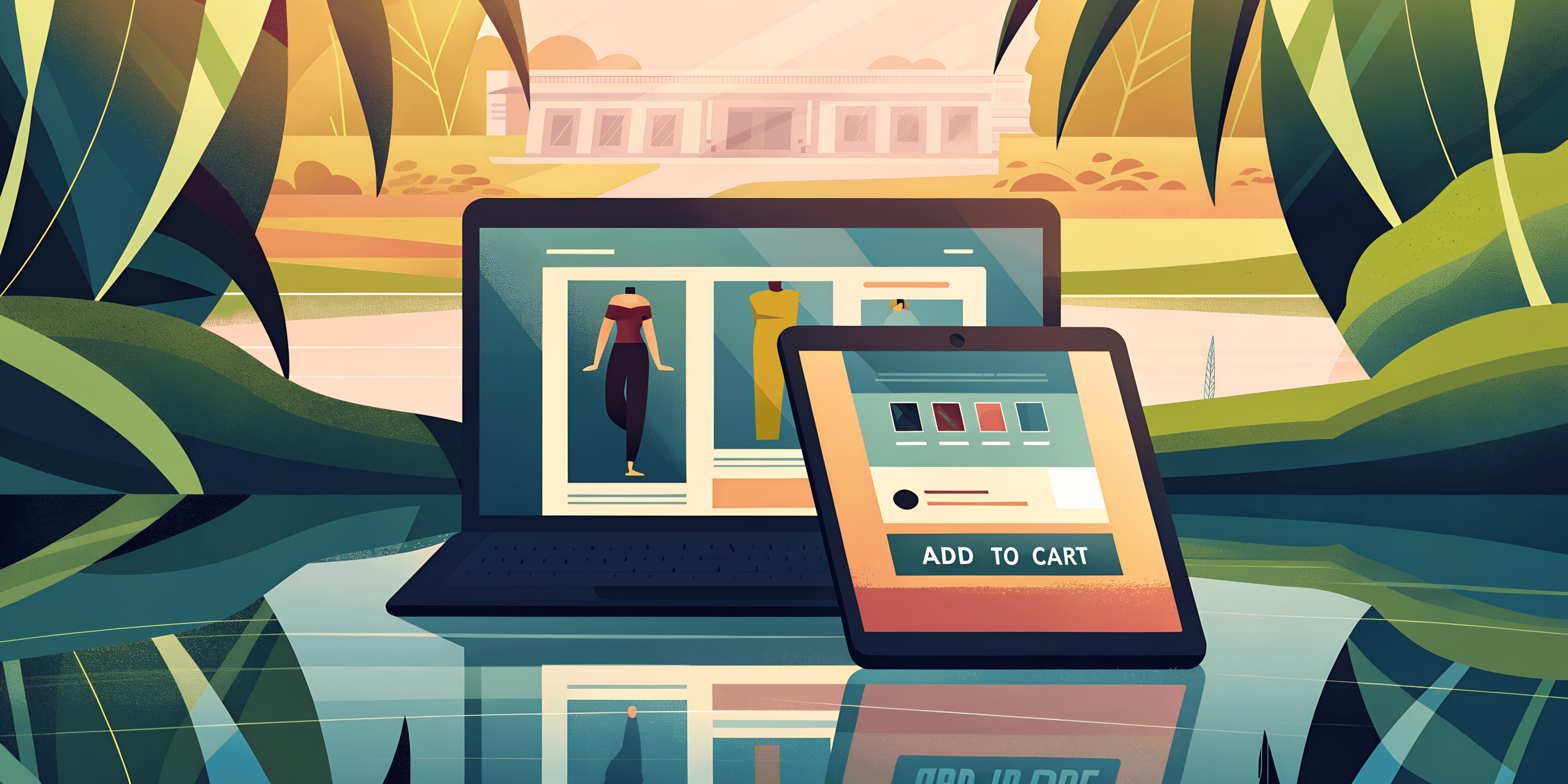
A visible Add to Cart button
Clear price information
Stock availability
Size or color selection
Suggestions for related products
Reducing friction in the buying process is essential. When shoppers can quickly understand the product and easily add it to their cart, they are far more likely to complete the purchase.
Conclusion
A great fashion product page isn't complicated but it is intentional.
Every element we've covered works together: strong visuals build desire, clear descriptions remove doubt, complete information answers questions before they're asked, lifestyle imagery creates context, social proof builds trust, and a seamless buying experience makes saying yes the easiest thing in the world.
The brands that convert well aren't necessarily the ones with the biggest budgets. They're the ones that understand what a customer needs to feel confident enough to buy and then design every part of the page around that.
Start with your visuals, get your copy right, and make the path to purchase as frictionless as possible. Do those three things well, and your product page stops being just a listing, it becomes your best salesperson.