
How to Find Keywords That Drive Real Traffic to Your Website
Learn how to find, choose, and use the right keywords for your website from free tools to common mistakes most brands never catch.
You've probably heard that keywords matter. And they do but not the way most people think.
Most small brand owners either go after keywords that are way too competitive, or they pick phrases that sound right but nobody actually searches for. Either way, they write content for months and wonder why Google still isn't sending them traffic.
The good news? Finding the right keywords isn't complicated. It just requires knowing where to look and understanding what your customer is actually typing into that search bar.
This guide walks you through exactly that.
What even is a keyword phrase?
A keyword is a single word like "jewelry." A keyword phrase is what people actually type like minimalist gold rings for women" or "how to start a jewelry business with no money.

The difference matters because single keywords are almost impossible to rank for. They're too broad, too competitive, and honestly, they don't tell you much about what the person actually wants.
Keyword phrases especially long-tail ones are more specific, less competitive, and way more likely to bring in people who are ready to buy, sign up, or take action.
Think of it this way: someone searching "jewelry" is browsing. Someone searching "dainty gold necklace for layering" is shopping.
What does your customer actually want?
Before you open any keyword tool, you need to understand one thing: search intent.
Search intent is simply the why behind a search. Why did someone type that phrase? Are they looking to learn something, compare options, or buy right now?
There are four types:
Informational: how to clean gold jewelry at home
Navigational: Etsy minimalist jewelry shop
Commercial: best jewelry brands for gifting
Transactional: buy dainty gold ring online
If you write a product page targeting an informational keyword, Google won't rank it because it doesn't match what the searcher wants. This is one of the most common mistakes brands make without even realizing it.
Always match your content type to the intent behind the keyword. Get that right, and everything else becomes easier.
Big keywords vs. specific phrases
This is where most people get it wrong. They see a keyword with 100,000 monthly searches and immediately want to rank for it. But high volume almost always means high competition and if you're a new or small brand, you simply won't win that fight.

Long-tail keywords have lower search volume, but they convert better. Someone searching "gold jewelry" is probably just browsing. Someone searching "waterproof gold hoop earrings under $30" knows exactly what they want.
Here's a simple way to think about it:
Head terms | Long-tail phrases | |
|---|---|---|
Example | jewelry | dainty silver rings for stacking |
Competition | Very high | Low–Medium |
Search volume | High | Low–Medium |
Conversion rate | Low | High |
Best for | Brand awareness | Sales & conversions |
For most small brands, the smartest move is to start with long-tail phrases, build authority, and work your way up to more competitive terms over time.
Free tools that actually work
You don't need to spend a dollar to find solid keywords. These free tools cover most of what you need, especially when you're just starting out.
Google Autocomplete is the simplest one. Just start typing your keyword into Google and watch what it suggests. Those suggestions are real searches, from real people, right now.
People Also Ask shows up in almost every search results page. It's a goldmine for finding questions your audience is already asking and questions make great content topics.
Related Searches at the bottom of Google's results page gives you variations and synonyms you might not have thought of.
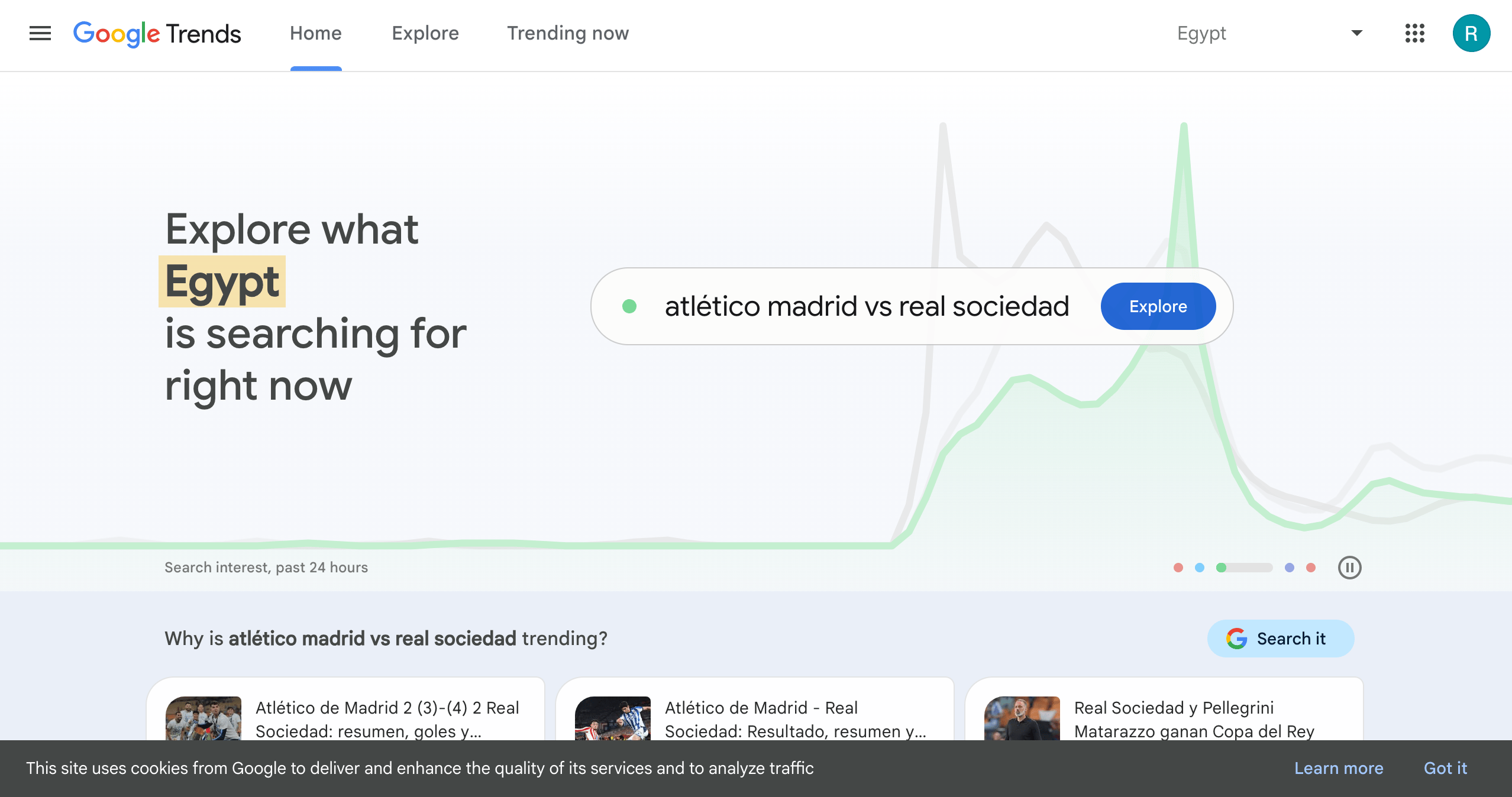
Google Trends tells you if a keyword is growing or dying. Before you build content around a phrase, make sure people are still searching for it.
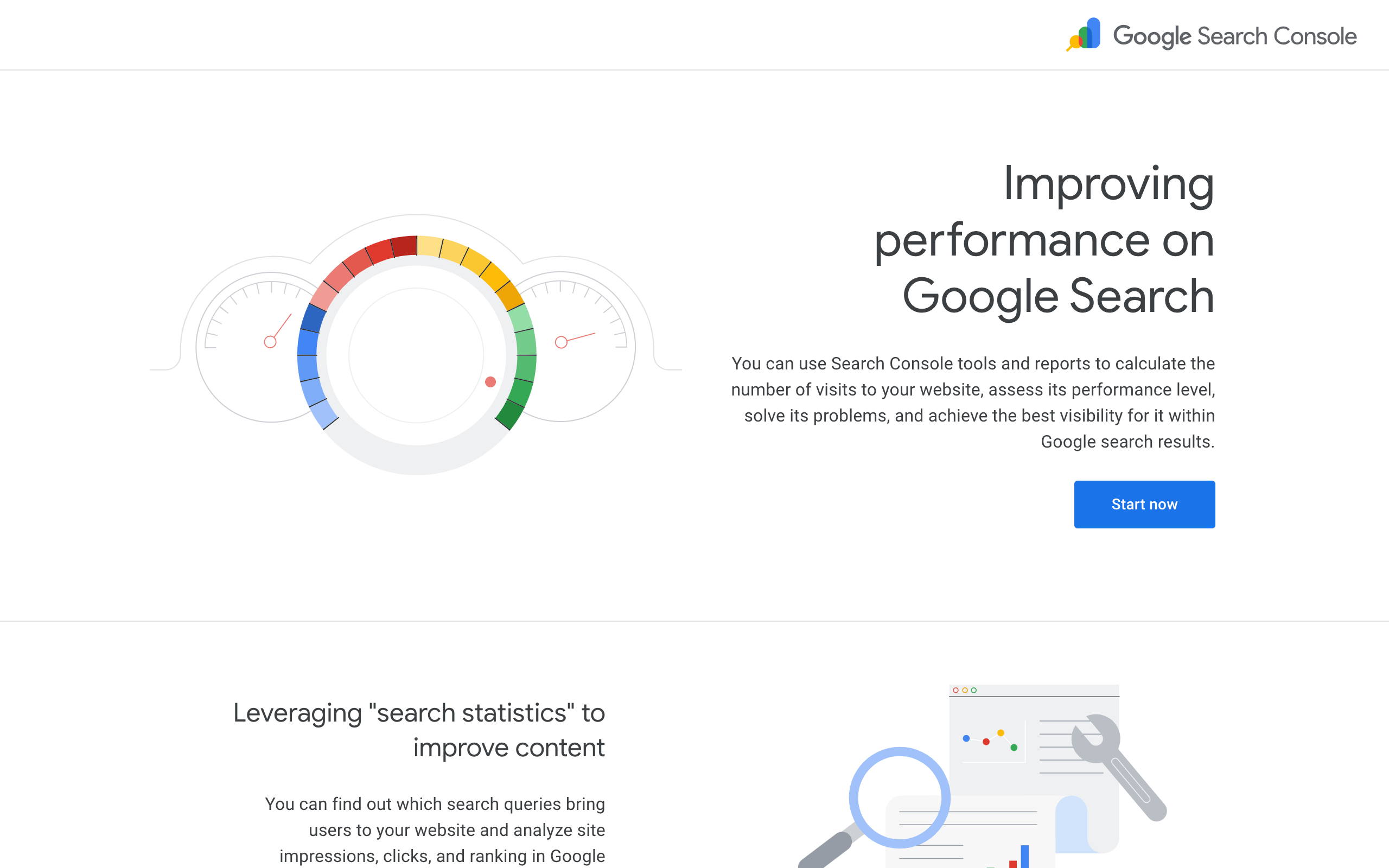
Google Search Console shows you what keywords are already bringing people to your site. If you have an existing website, this is the first place you should look.
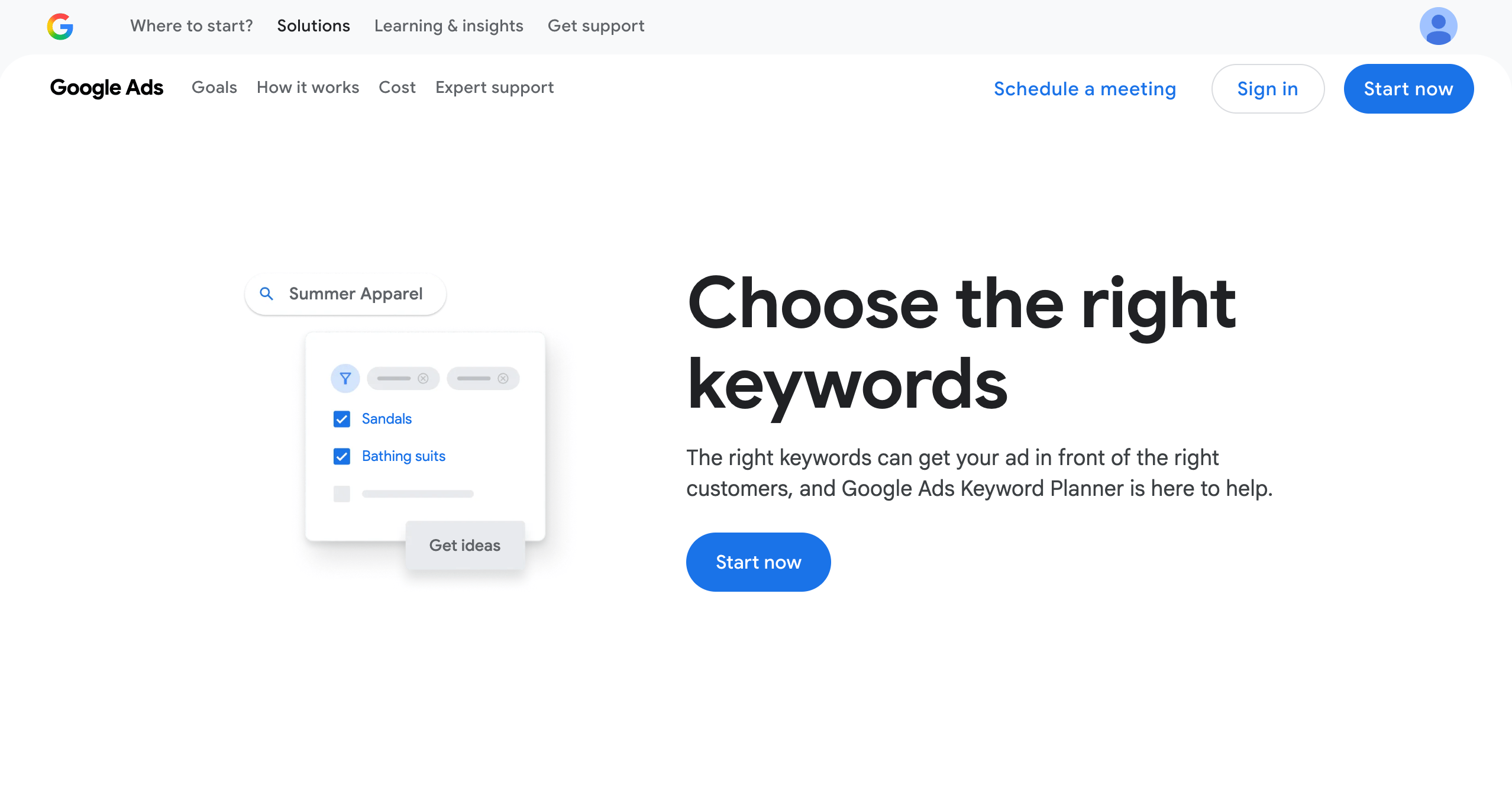
Google Keyword Planner was built for ads, but it's free and gives you real search volume data.
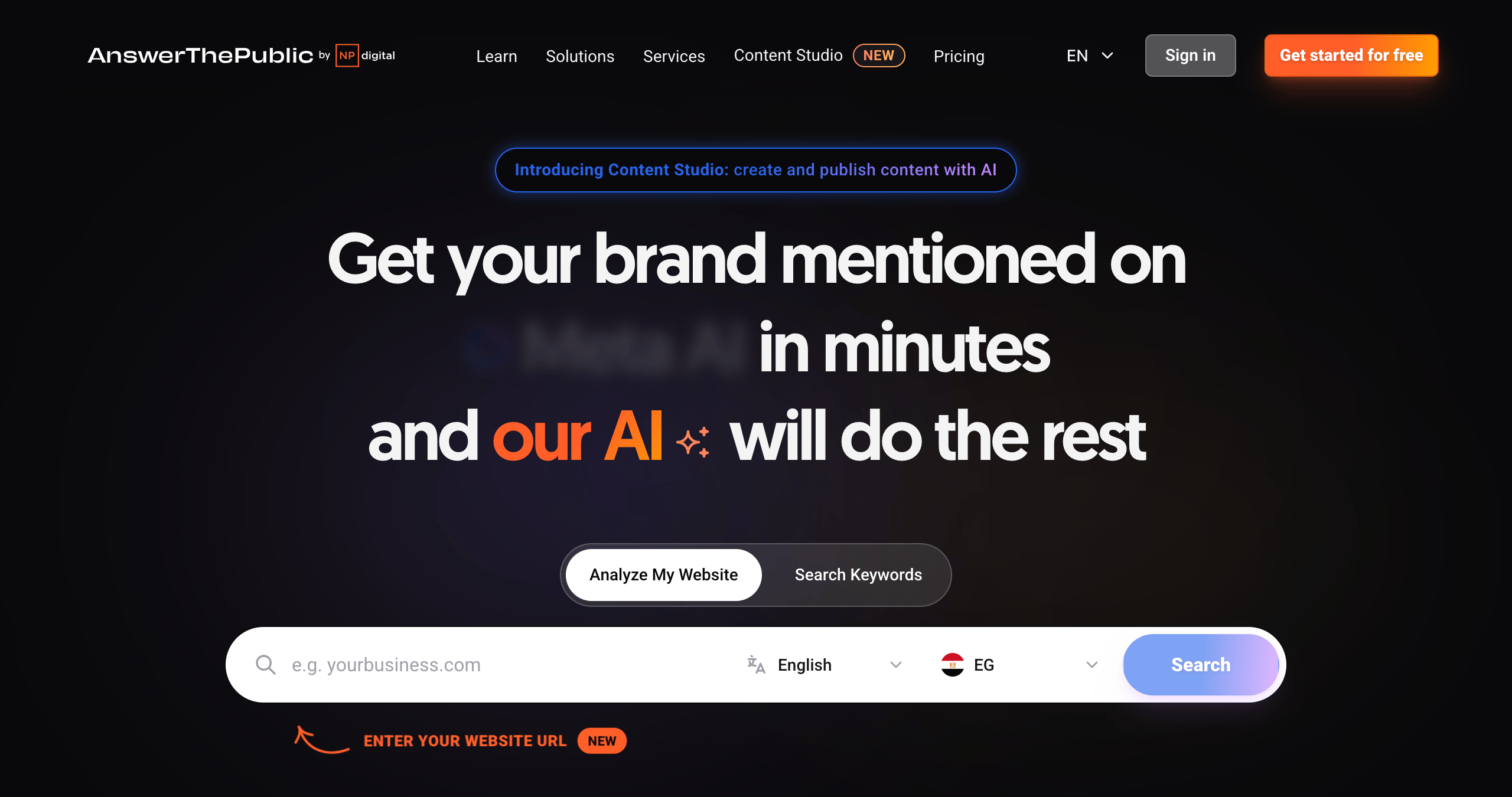
AnswerThePublic visualizes every question people ask around a topic. Great for finding content ideas you'd never think of on your own.
The paid tools
Free tools will get you started, but if you're serious about growing your organic traffic, paid tools give you data that Google simply doesn't share for free.
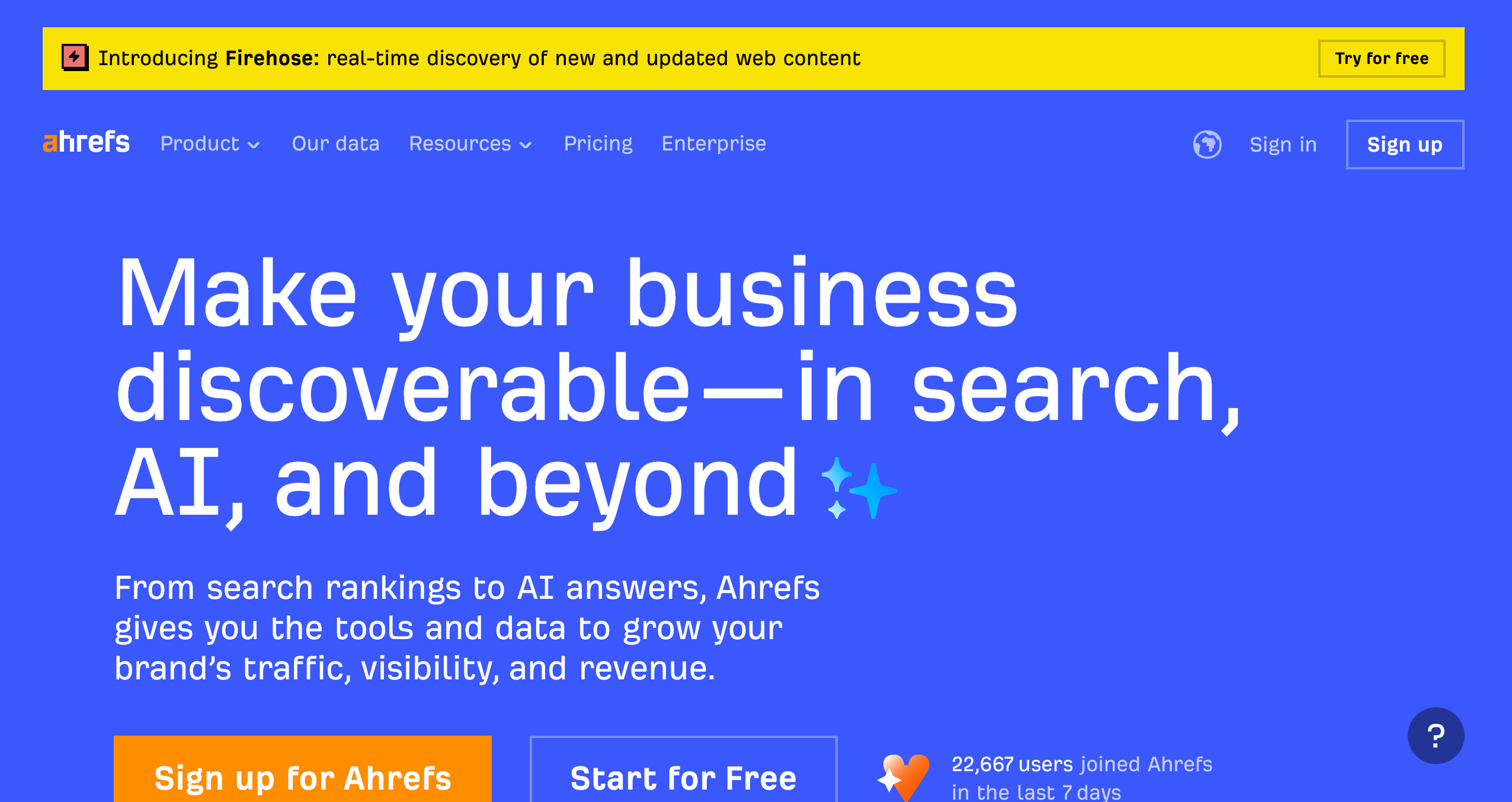
Ahrefs is one of the most powerful keyword research tools out there. You can see exactly what keywords your competitors rank for, how hard it is to outrank them, and which pages on your site are already getting traction. If you're picking one paid tool, most people start here.
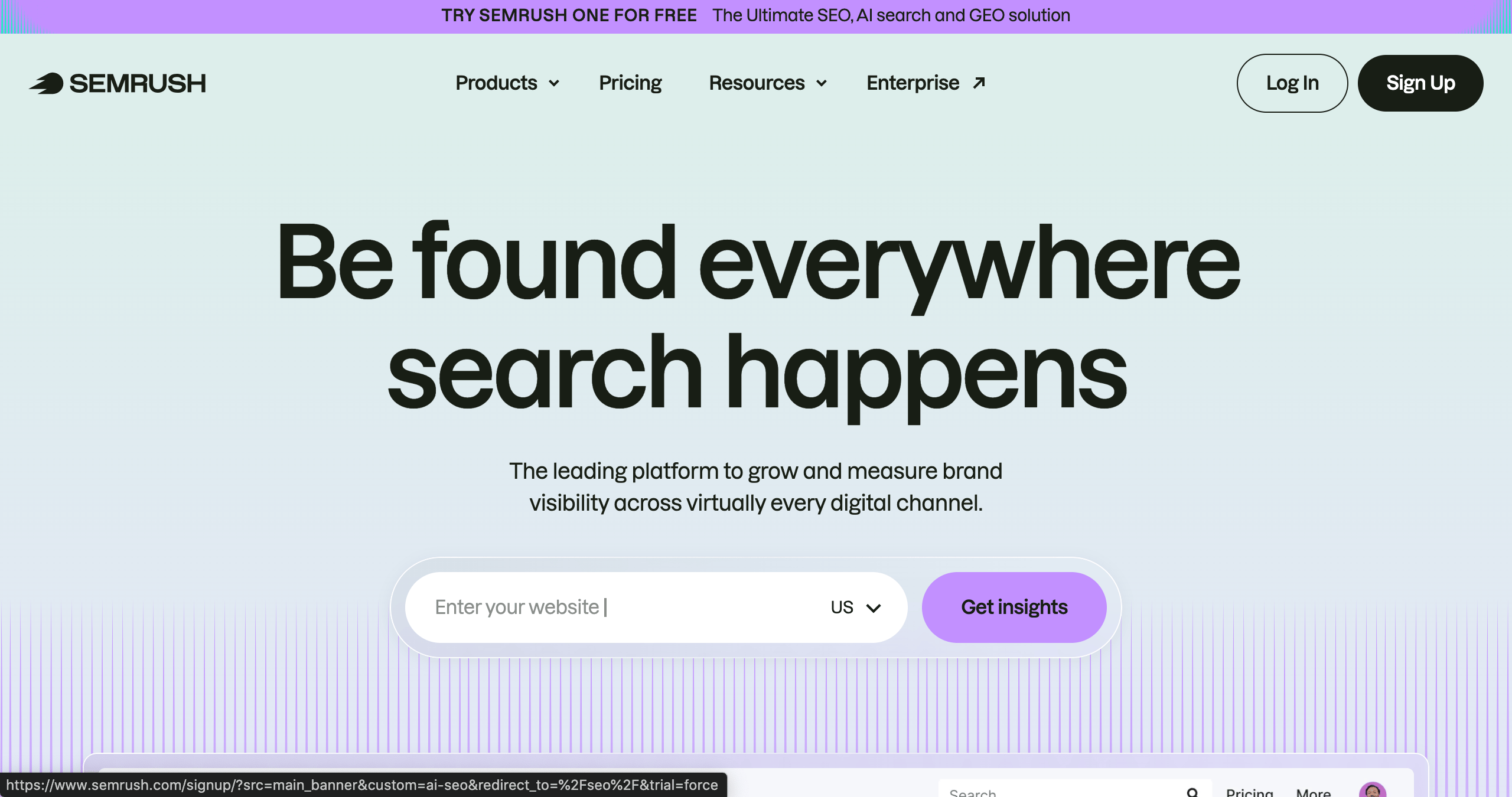
Semrush does everything Ahrefs does, but it also covers paid search, social, and content marketing in one place. It's great if you want a full picture of your brand's online visibility beyond just keywords.
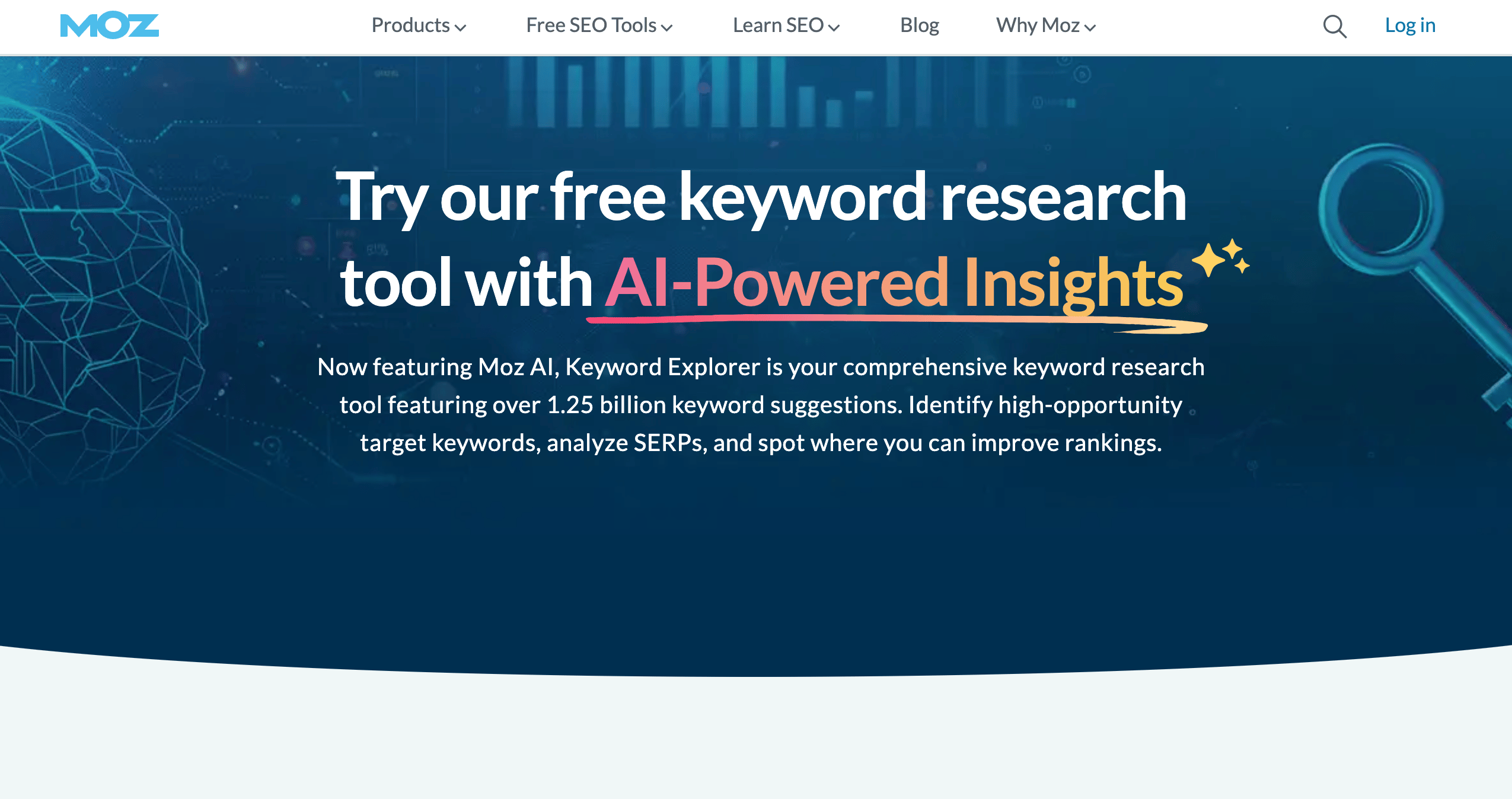
Moz Keyword Explorer is a simpler, cleaner option for beginners. The interface is less overwhelming than Ahrefs or Semrush, and it has a solid free tier if you want to test before committing.
You don't need all three. Pick one, learn it well, and stick with it.
How to pick the right keyword from your list
Finding keywords is the easy part. Choosing which ones to actually go after is where most people get stuck.
There are three things to look at:
Volume: how many people search for this phrase per month. Higher isn't always better. A keyword with 200 monthly searches and low competition will beat a keyword with 10,000 searches you'll never rank for.
Difficulty: how hard it is to rank for that keyword. Both Ahrefs and Semrush give you a difficulty score out of 100. As a new site, aim for anything under 30.
Relevance: does this keyword actually match what you sell or write about? A keyword can have perfect volume and low difficulty, but if it attracts the wrong audience, it won't convert.
The sweet spot is a keyword with decent volume, low difficulty, and high relevance to your brand. It takes a little patience to find, but when you do, it's worth it.
Now what? here's where your keywords actually go
Finding the right keyword is only half the job. Where you place it matters just as much.
Here are the spots that actually move the needle:
Page title: this is the most important placement. Your keyword should appear naturally in the title of your page or blog post. Don't force it, but don't leave it out.
Meta description: Google doesn't use it as a ranking factor, but it shows up in search results and affects whether people click. Write it for humans, not algorithms. A well-written meta description can significantly improve your click-through rate.
Headings (H1, H2): use your main keyword in your H1, and related phrases in your H2s. This helps Google understand what your page is about.
Body copy: mention your keyword naturally a few times throughout the text. Don't repeat it obsessively, write for your reader first, and let the keyword follow.
URL: keep it short and include your main keyword. A clean URL like /how-to-start-a-jewelry-business beats /page?id=2847 every time.
Image alt text: describe your images using relevant keywords. It helps with image search and accessibility at the same time.
Keyword mistakes to avoid
You can do everything right and still get no traffic. Usually it comes down to one of these.
Too broad. Going after "jewelry" or "fashion" as a small brand is a losing battle. Start specific, build authority, then go broader.
Wrong intent. If someone searches "how to clean gold jewelry" and lands on your product page, they'll leave immediately. Your content type has to match what the searcher wants.
Keyword stuffing. Repeating your keyword every other sentence doesn't help it hurts. Write for your reader, not the algorithm.
Competing with yourself. Each page should target one primary keyword. If two pages target the same phrase, they'll cancel each other out.
Never updating old content. Keywords shift over time. Revisit your top-performing pages every few months and refresh them.
Conclusion
Keyword research doesn't have to be overwhelming. Start with what your customer is actually searching for, use the free tools to find phrases with real demand, and place them where they count.
You don't need to rank for everything. You need to rank for the right things, the phrases that bring in people who are ready to buy, sign up, or stick around.
Pick one keyword today. Build one piece of content around it. That's how it starts.