10 Steps to Start a Jewelry Business in 2026
Learn how to start a jewelry business in 2026 with 10 simple steps. From choosing your niche to making your first sale no fluff, just what actually works.
Starting a jewelry business in 2026 is one of the most exciting things you can do and one of the most overwhelming if you don't know where to begin.
Maybe you've been making pieces for friends, or you stumbled across a beautiful brand online and thought I could do this. Either way, you're in the right place.
The global jewelry market is worth over $350 billion, and a growing slice of that belongs to independent sellers, people just like you, running shops from their homes, their studios, or their kitchen tables.
This guide breaks the whole thing down into 10 clear steps. No jargon, no fluff just what you actually need to know to go from idea to first sale.
Let's get into it.
Step 1: choose your business model
Before you design a single piece or set up a store, you need to decide how your business will actually work.
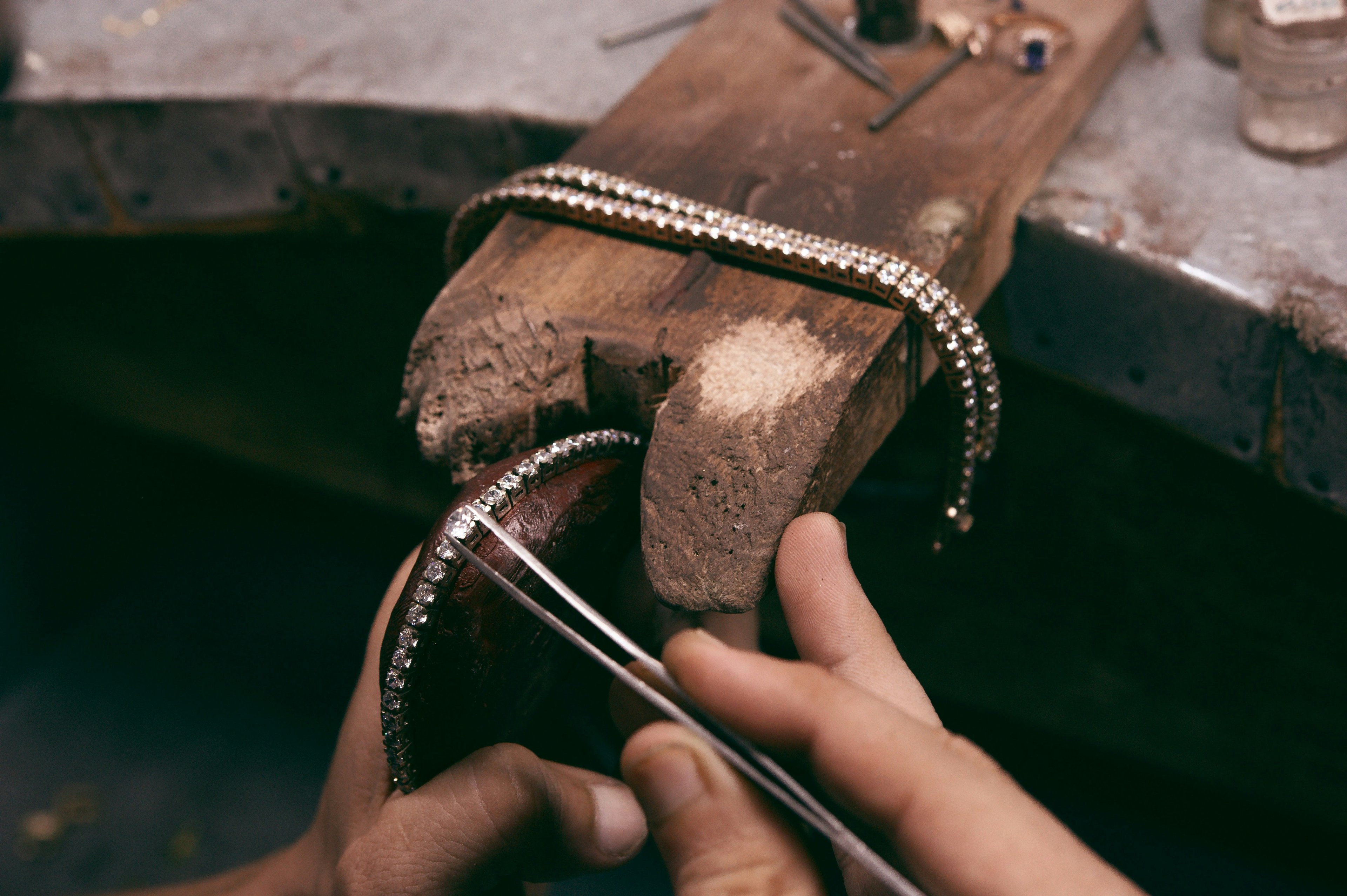
There are four main models:
Model | Best for | Startup cost |
|---|---|---|
Handmade | Creative makers who want full control | Low–Medium |
Dropshipping | Beginners with limited budget | Very low |
Private Label | Sellers who want a branded product fast | Medium |
Fine Jewelry | High-end market, precious materials | High |
Handmade means you create everything yourself, full creative control, but more time and effort.
Dropshipping means a supplier handles production and shipping. You focus on marketing. It's the lowest-risk way to start, but margins are thinner.
Private label means you work with a manufacturer to sell products under your own brand name, a great middle ground.
Fine jewelry is a bigger investment upfront, but targets customers willing to spend more.
There's no wrong answer here. Pick the model that fits your budget, your lifestyle, and how involved you want to be in the actual making.
Step 2: pick your niche
Selling jewelry is too broad. Selling minimalist gold rings for millennial women that's a business.
The more specific you are, the easier everything becomes: your branding, your marketing, your ideal customer.
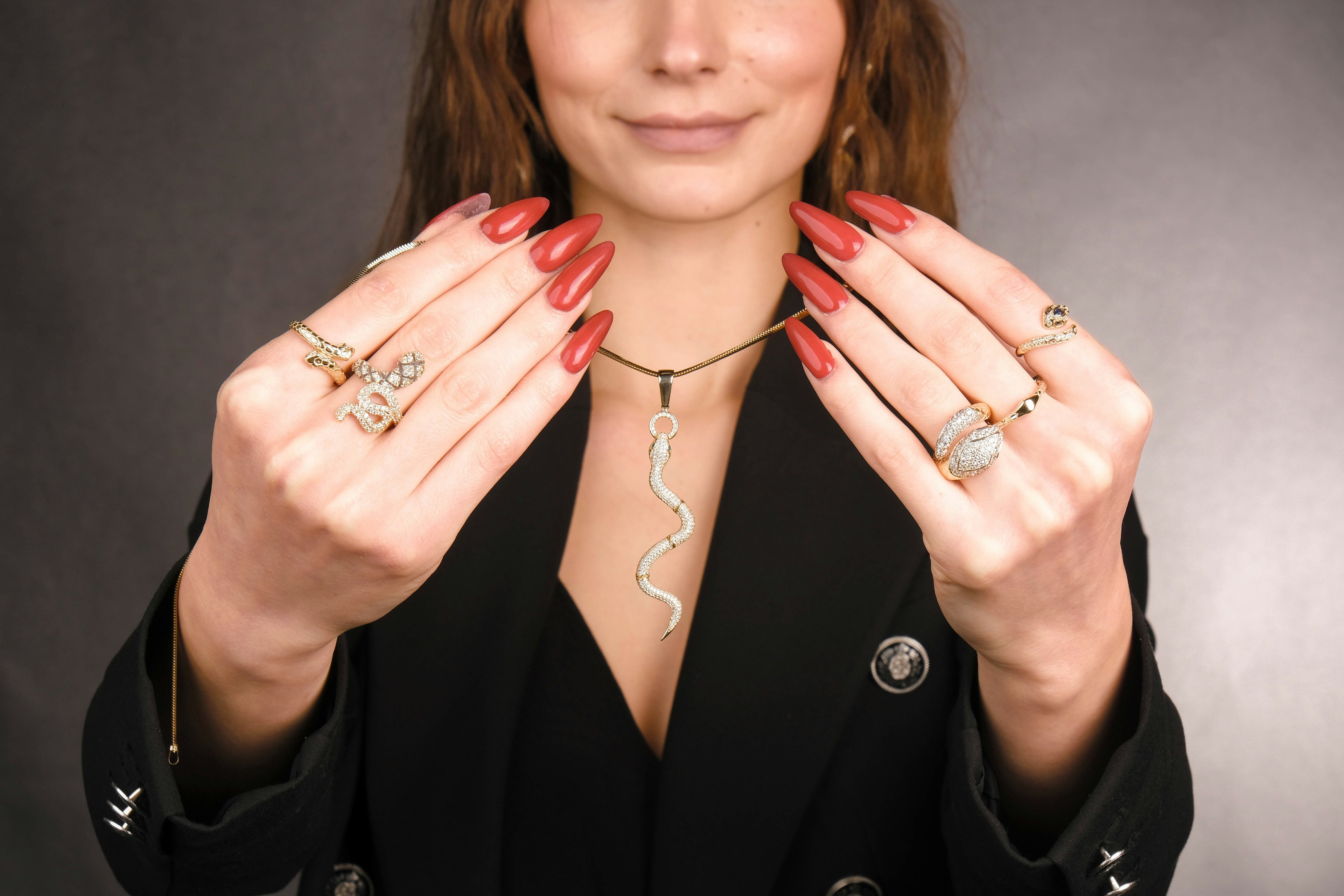
Here are some niches worth exploring:
Minimalist everyday jewelry: simple, wearable, huge demand
Birthstone & personalized pieces: high emotional value, great for gifting
Boho & handmade aesthetic: strong community on Pinterest and Etsy
Men's jewelry: growing market, less competition
Bridal & occasion jewelry: higher price points, repeat referrals
Sustainable & ethical jewelry: speaks to a conscious buyer
To find your niche, ask yourself three questions:
What style am I genuinely drawn to?
Is there an audience actively searching for it?
Can I make money selling it?
If the answer to all three is yes, you've found your starting point.
Step 3: research the market
Before you invest a single dollar, spend a few hours understanding what's already out there and where the gaps are.

You don't need fancy tools. Start with these three:
Google Trends: search your niche and see if interest is growing or fading. Timing matters.
Etsy search: type in your product idea and look at what's selling. Check reviews, pricing, and how sellers are describing their pieces.
Pinterest: search your style and see what gets saved the most. High saves = real demand.
While you're researching, look at 3–5 competitors and ask:
What are they doing well?
What are customers complaining about in reviews?
Is there a price range no one is serving well?
That gap between what customers want and what's currently out there is your opportunity.
Step 4: build your brand identity
Your brand is more than a logo. It's how people feel when they land on your page, open your packaging, or see your post on Instagram.
Get these four things right from the start:
Name: keep it simple, memorable, and easy to spell. Check that the domain and Instagram handle are available before you fall in love with it.
Visual identity: pick 2–3 colors and stick to them. Choose fonts that match your vibe. Canva is a great free starting point, and Looka can help you build a logo in minutes.
Photography style: for jewelry, visuals are everything. Decide early: lifestyle shots or clean white background? Warm tones or cool? Consistency builds trust.
Tone of voice: how do you talk to your customer? Warm and personal? Sleek and minimal? Write it down and use it everywhere, your product descriptions, your bio, your packaging inserts.
You don't need everything to be perfect on day one. But having a clear direction early saves you a lot of rebranding headaches later.
Step 5: source materials or find your supplier
Where you get your products or the materials to make them can make or break your margins. Take your time here.
If you're making jewelry yourself:
Look into wholesale suppliers for beads, chains, clasps, and metals. Good starting points are Alibaba for bulk international orders, or local wholesale markets if you want to see materials in person before buying.
If you're dropshipping or using private label:
Platforms like Alibaba, AliExpress, and Faire connect you with suppliers who handle production and shipping. Before you commit to anyone, ask:
Can I get a sample first?
What's the minimum order quantity?
How do you handle defective products?
What are the shipping times to my customers?
A few things to always check:
Read reviews from other sellers, not just the supplier's own page
Order samples before placing a big order always
Make sure quality is consistent, not just good on the first batch
Finding the right supplier takes a few tries. That's normal. The goal is a partner you can grow with, not just the cheapest option available.
Step 6: Set Your Pricing Strategy
Pricing is where a lot of new sellers get stuck or worse, undercharge and wonder why they're not making money. Getting your pricing strategy right is one of the most important decisions you'll make.
Here's a simple formula to start with:
Cost of materials + your time + platform fees + shipping = your base cost
Then multiply by 2.5x to 4x for your retail price, depending on your market and positioning.
For example: if a piece costs you $10 to make and ship, selling it for $15 is a loss once fees kick in. Selling it for $30–40 gives you a real margin to work with.
A few pricing rules to live by:
Don't price based on what you would pay, price based on the value your customer sees
Check what similar pieces sell for on Etsy and Shopify stores, then position yourself intentionally
Psychological pricing works $29 feels very different from $30
Build in room for discounts and promotions without going into the red
And remember: you can always adjust. Start at a price that feels slightly uncomfortable, you're probably closer to right than you think.
Step 7: register your business
This is the part most people put off but getting it done early saves you real headaches later.

Business registration:
Your options depend on where you're based, but most first-time sellers start as a sole trader (or sole proprietor). It's the simplest structure with the least paperwork. As you grow, you can look into forming an LLC or limited company for more protection.
A quick Google search for how to register a small business in [your country] will give you the exact steps requirements vary a lot by location.
The three policies every store needs:
Return & refund policy: be clear about what you accept and the timeframe. Vague policies lead to disputes.
Shipping policy: processing times, carriers you use, and who's responsible if something gets lost.
Privacy policy: especially important if you're collecting emails or running ads. Most platforms like Shopify have free generators built in.
These aren't just legal protection, they build trust. A customer who sees clear, fair policies is much more likely to hit buy.
Step 8: Build Your Online Store
This is where everything comes together your brand, your products, your pricing, all in one place your customers can actually shop.
Where to sell:
Shopify is the best option if you want your own standalone store. You control everything your design, your customer data, your brand experience. It's a small monthly fee, but it's worth it as you grow.
Etsy is a marketplace with built-in traffic millions of people are already shopping there for handmade and unique pieces. It's a great place to get your first sales while you're still building your own audience.
Many sellers start on Etsy to validate their products, then build a Shopify store once they're ready to scale. You can run both at the same time.
Must-haves for your store:
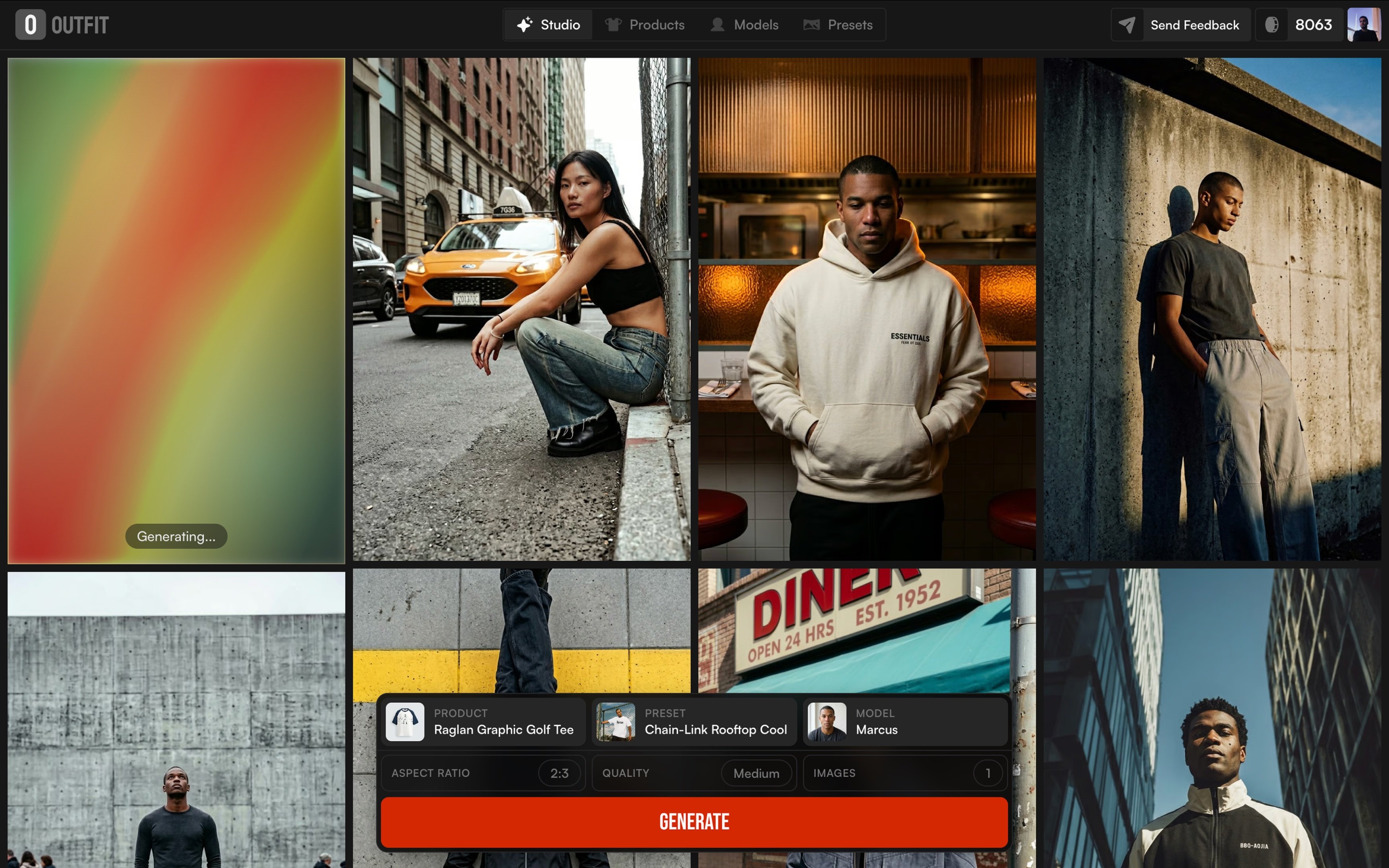
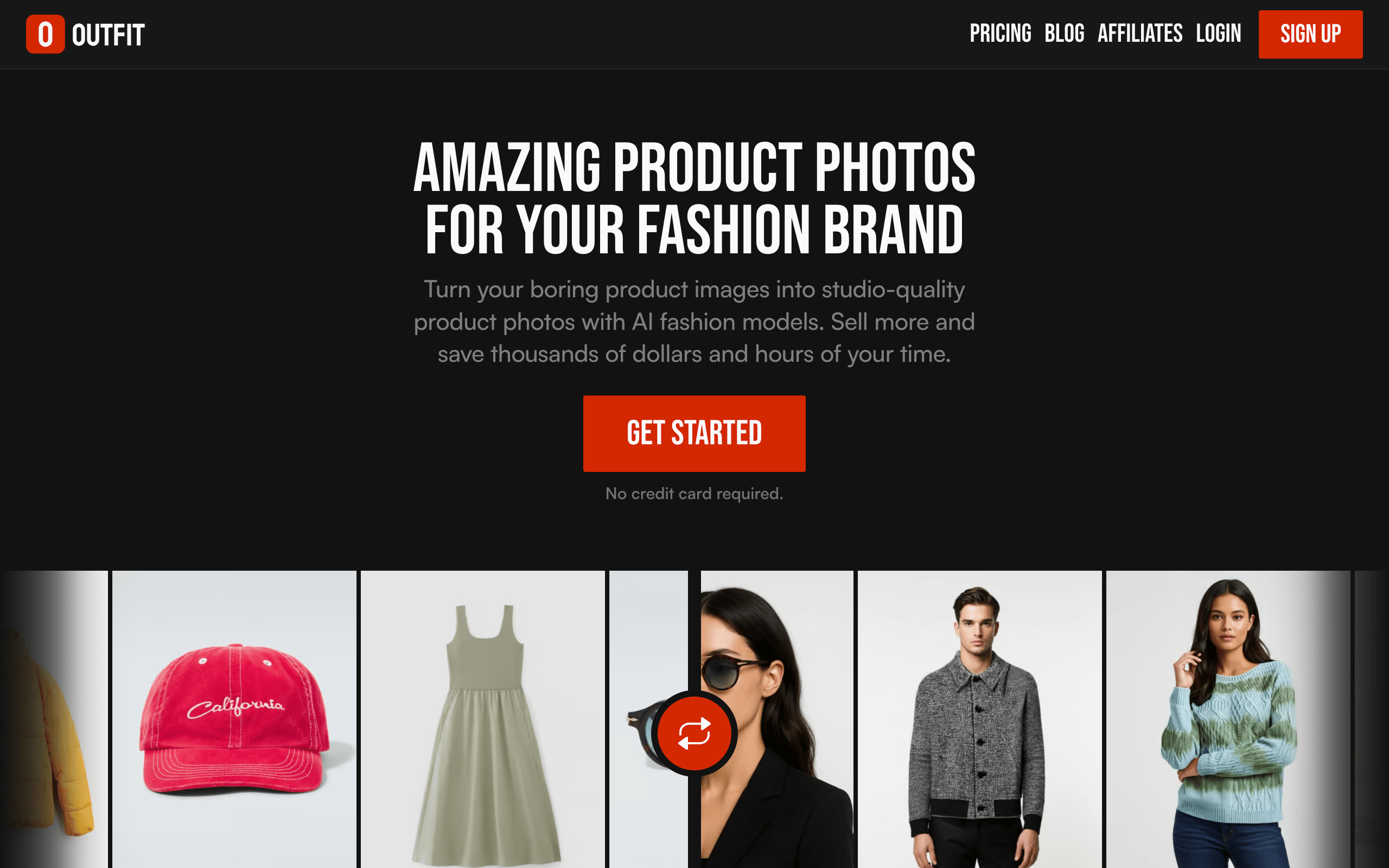
Clean, high-quality product photos this is non-negotiable for jewelry. And in 2026, you don't need an expensive shoot to get there. Outfit uses AI to generate professional on-model photos in minutes, for a fraction of the cost. For more on what photography actually costs, read The True Cost of Product Photography
Descriptions that speak to your customer, not just list dimensions
An About page that tells your story, people buy from people they connect with
Easy checkout and clear shipping info upfront
One tip: before you launch, go through your store as if you're a customer seeing it for the first time. If anything feels confusing or unclear fix it.
Step 9: promote your jewelry business
You can have the most beautiful store in the world but if no one sees it, nothing happens. This is where you bring people in.
The best channels for jewelry:
Instagram is still one of the strongest platforms for jewelry sellers. Post consistently, show your process, style your pieces on real people, and use Reels, they get significantly more reach than static posts right now.
Pinterest is a long game, but a powerful one. People search Pinterest the way they search Google with intent. A well-optimized pin can drive traffic to your store for months.
TikTok is where discovery happens fast. Behind-the-scenes videos, packaging orders, "how I made this" content, it performs well and doesn't need to be polished to work. Check out how to go viral on TikTok as a small brand for more on this.
Content that actually converts:
Styling videos: show people how to wear your pieces
Process videos: people love watching things being made
User-generated content: repost customers wearing your jewelry
Before/after transformations: raw materials to finished piece
On paid ads:
Don't rush into ads before you have proof that people want your product. Get your first 10–20 organic sales first, then test a small budget on Meta or Pinterest ads once you know what's working.
Consistency beats perfection here. Show up regularly, engage with your audience, and the growth follows.
Step 10: nail packaging and customer experience
Your product gets someone's attention. Your packaging makes them remember you and come back.
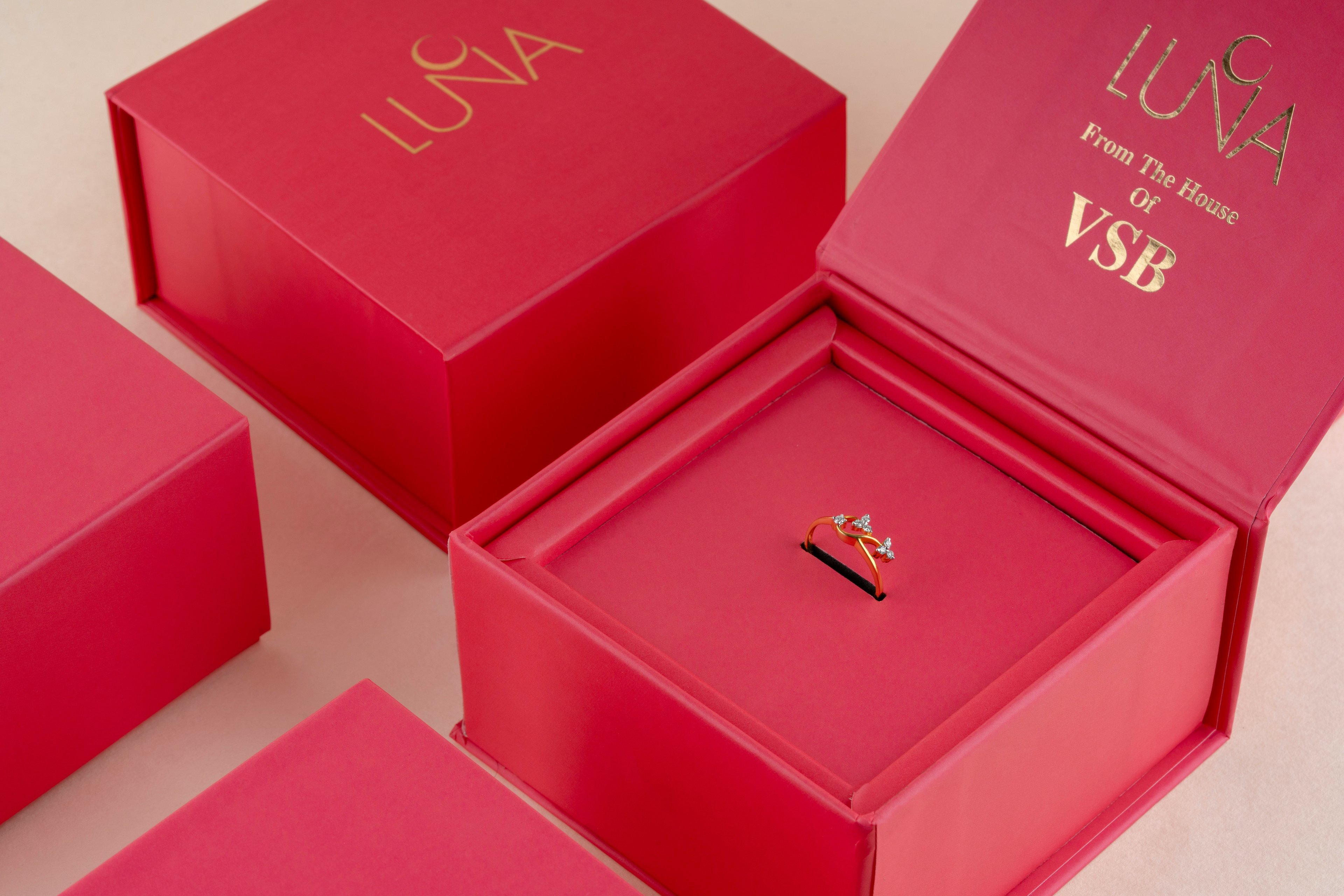
Simple packaging ideas that work:
A small branded box or pouch with your logo
Tissue paper in your brand colors
A handwritten thank-you note or a printed card with your story
A small discount code for their next order, tucked inside, not emailed
After the order ships:
Send a confirmation email that sounds like a human wrote it, not a robot
Follow up a few days after delivery to make sure everything arrived well
Make returns easy, a smooth return experience often turns a disappointed customer into a loyal one
Getting reviews:
Don't be shy about asking. A simple message like We'd love to know what you think, it means the world to small businesses like ours goes a long way. Reviews on Etsy especially can make or break your visibility.
The goal isn't just a sale. It's a customer who talks about you, comes back, and brings their friends.
How much does it cost to start a jewelry business?
One of the most common questions and the honest answer is: it depends on your model. But here's a realistic breakdown to help you plan.
What you need | Budget starter (under $500) | Mid-range ($500–$2K) | Serious launch ($2K+) |
|---|---|---|---|
Inventory / materials | $50–150 | $200–600 | $600+ |
Branding & logo | Free (Canva) | $50–200 | $200–500 |
Website / store | Etsy ($0 to list) | Shopify ~$39/mo | Shopify + custom domain |
Photography | Phone + natural light or AI tools (Outfit) | Basic lightbox setup | Professional shoot |
Packaging | Plain kraft boxes | Branded pouches & cards | Full custom packaging |
Marketing | Organic only | $100–300 in ads | $500+ in paid ads |
Total estimate | $100–500 | $500–2,000 | $2,000–5,000 |
The good news: you don't need to start at the top tier. Many successful jewelry brands started with a phone camera, an Etsy shop, and less than $200. What matters more than budget is consistency and knowing your customer.
Start lean, validate your idea, then reinvest your profits to level up.
Conclusion
Starting a jewelry business doesn't have to be complicated. You don't need a big budget, a fancy studio, or years of experience.
You need a clear model, a specific niche, and the willingness to show up consistently, the rest you figure out as you go.
Pick your first step today. Not next week, not when everything feels ready, Today.
FAQ
Is it profitable to sell jewelry online? Yes, if you price correctly and find the right niche. Jewelry has some of the highest margins in e-commerce, especially handmade and personalized pieces where customers pay for the story, not just the product.
How much does it cost to start? You can start with as little as $100–200 using Etsy and AI photography tools. As you grow and validate your products, you reinvest and scale.
Do I need a business license to sell jewelry? It depends on your country and how much you're making. Most people start without one and register formally once sales pick up. When in doubt, check your local business authority website.
Can I start with no experience? Absolutely. Most successful jewelry sellers started with zero business experience. What matters more is knowing your customer and being consistent with your brand.