
Best UGC Tools for Social Media Marketing in 2026
Learn how UGC tools work in 2026, which platforms matter most, and how to choose the right UGC tool for social media, ecommerce, and performance marketing.
Over the past few years, user-generated content has become one of the most powerful drivers of trust on social media. People are far more likely to engage with content created by real users than polished brand ads and platforms are rewarding that shift with better reach and visibility.
In 2026, UGC matters more than ever. Brands are using it not just for organic posts, but across ads, product pages, short-form video, and conversion-focused campaigns. It’s faster to produce, more cost-effective to scale, and often delivers stronger results than traditional branded content.
That’s why choosing the right UGC tools is now a competitive advantage. The right platforms help brands collect, manage, and reuse authentic content efficiently without losing the human feel that makes UGC work in the first place.
In this guide, we’ll break down the best UGC tools for social media marketing in 2026 and how to choose the right one based on your goals.

What changed about UGC in 2026?
What’s different about UGC in 2026 isn’t the concept, it’s how brands use it.
UGC is no longer just about reposting tagged photos or customer reviews. Today, it plays a direct role in performance marketing, especially across short-form video and paid social. Brands rely on UGC-style content because it blends in naturally with the feed and feels more trustworthy than traditional ads.

Another major shift is scale. As content demand keeps growing, brands can’t rely on manual workflows anymore. UGC is now planned, repurposed, and reused across multiple touch points from social ads to product pages often supported by AI and automation to save time without losing authenticity.
In short, UGC in 2026 is less about collecting content and more about building a system that turns real customer and creator content into consistent results.
What to look for in a UGC tool in 2026?
Not all UGC tools are built for how brands actually work today. In 2026, the best platforms focus less on collecting content and more on helping teams use it effectively.
A good UGC tool should make it easy to gather content from different sources, get clear usage rights, and reuse the same assets across social posts, ads, and product pages. It should also save time through automation without stripping away the authenticity that makes UGC perform better in the first place.
Most importantly, modern UGC tools help brands understand what’s working. If you can’t see how UGC impacts engagement or conversions, it quickly becomes noise instead of a growth lever.
Top UGC platforms compared
There’s no single UGC platform that works for every brand. The right choice depends on how you plan to use UGC for reviews, product pages, ads, or brand campaigns.
Below are some of the most popular UGC platforms in 2026, grouped by what they’re best at.
Platforms focused on reviews & trust
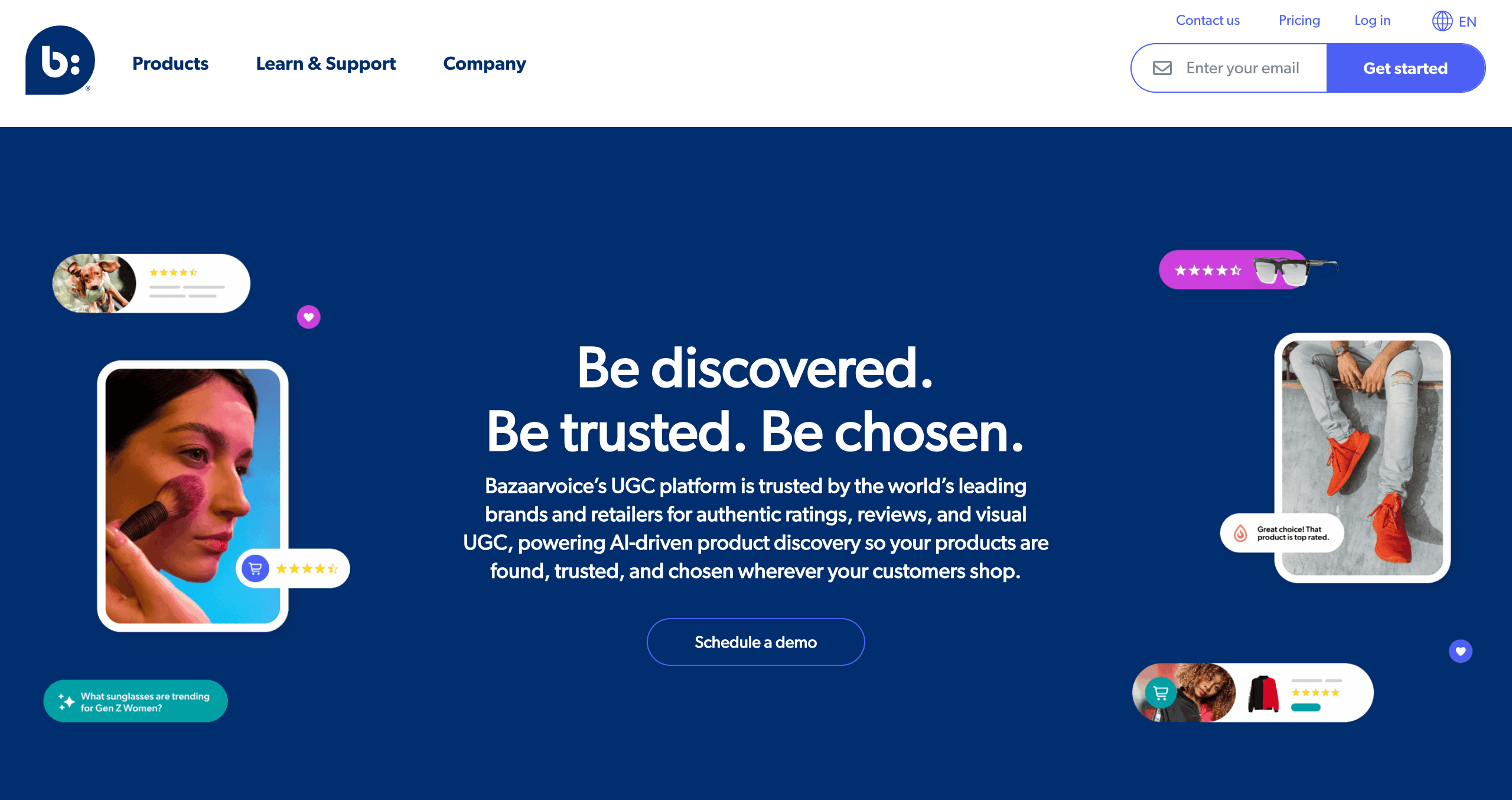
Bazaarvoice
Mainly used by large brands and retailers to collect and distribute customer reviews at scale.
Best if reviews and credibility are your top priority.
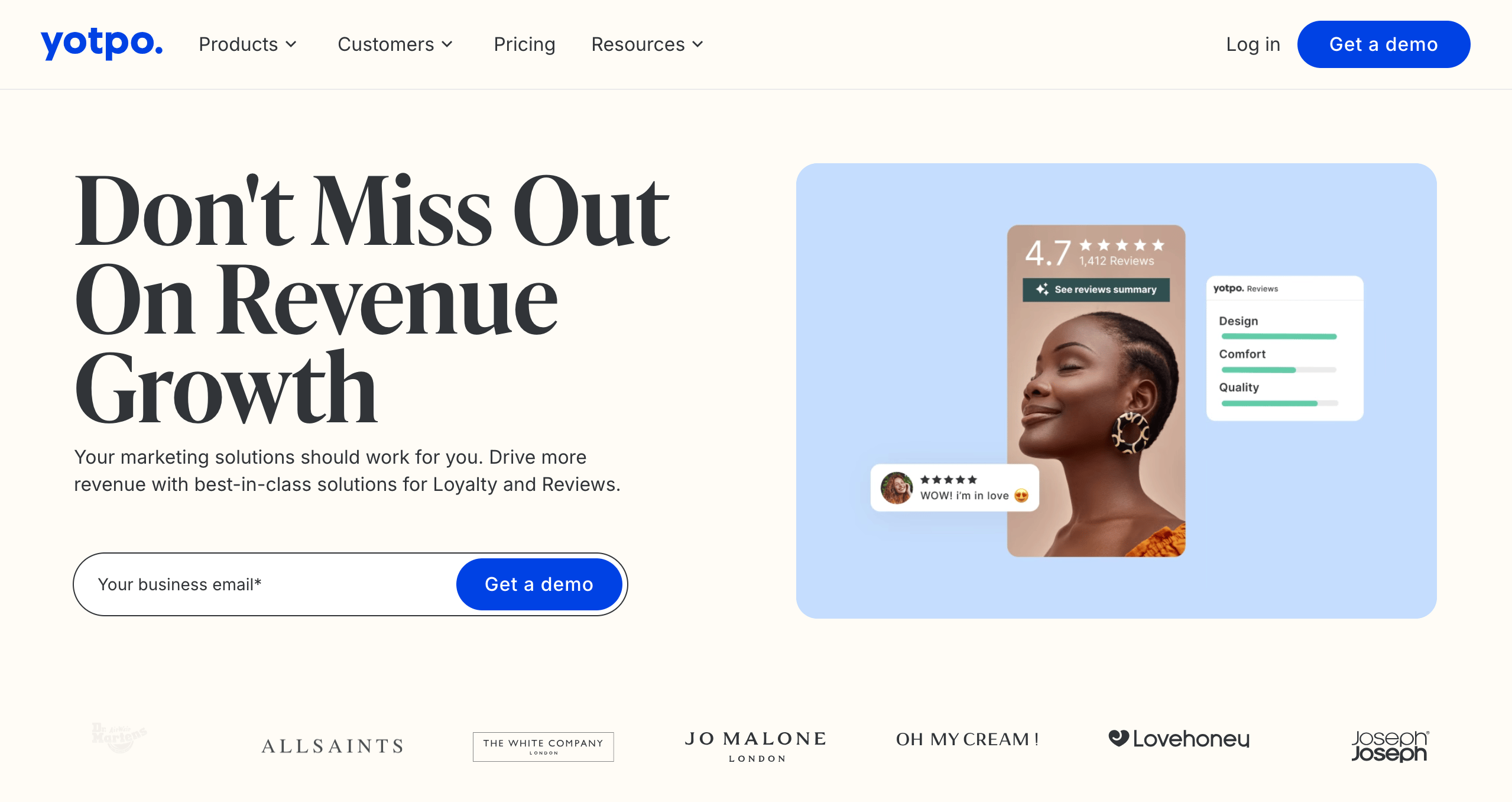
Yotpo
Combines reviews, visual UGC, and loyalty tools in one place.
Works well for ecommerce brands that care about retention and repeat purchases.
Okendo
Built specifically for Shopify stores, with a strong focus on conversion.
A good fit if your goal is improving product page performance.
Platforms focused on ecommerce & visual UGC
Pixlee TurnTo
Helps brands turn customer and creator visuals into shoppable content.
Best for brands that want to link UGC directly to sales.
Nosto
Uses AI to highlight high-performing UGC and personalize it across product pages.
Best for data-driven ecommerce teams.
Flowbox
Offers more design control for how UGC appears on your site.
Popular with fashion and lifestyle brands.

Platforms for Campaigns & Brand Storytelling
TrueLoyal
Used for hashtag campaigns, launches, and brand moments.
Good if UGC is part of your marketing campaigns, not just product pages.
Social Native
Focuses on curated, brand-aligned visuals and creator content.
A strong option for brands that care a lot about visual quality.
Tools for Speed, Automation & Smaller Teams
Taggbox
Simple way to show UGC on websites or events.
Good for quick social proof without heavy setup.
EmbedSocial
A lightweight option for collecting and displaying UGC.
Best for small teams and basic needs.

Later
Combines social scheduling with basic UGC workflows.
Useful if you want everything in one simple tool.

Don’t look for the best UGC platform, look for the one that matches how you actually plan to use UGC, reviews, sales, campaigns, or speed.
How to choose the right UGC tool in 4 simple steps?
Choosing a UGC tool doesn’t have to be complicated. In most cases, the right choice becomes clear once you focus on how you’ll actually use UGC, not how many features a platform offers.
Here’s a simple 4-step approach that works for most brands in 2026.
1. Define your main goal for UGC
Start by being honest about why you want UGC in the first place.
Are you trying to:
build trust with reviews and social proof?
improve conversion on product pages?
create content for ads and short-form video?
support brand campaigns and launches?
Your primary goal should guide everything else. A tool that’s great for reviews won’t always be the best choice for paid ads or visual storytelling.
2. Decide where UGC will appear
Next, think about where this content will actually live.
UGC can be used across:
social media feeds
paid ads
product pages
email campaigns
landing pages
Some tools are built mainly for on-site use, while others are stronger for social or campaign distribution. Knowing the main placement helps you avoid tools that don’t fit your workflow.
3. Match the tool to your team size and setup
A small team doesn’t need the same setup as a global brand.
Ask yourself:
Who will manage UGC day to day?
Do you need heavy moderation and permissions?
How important is automation vs manual control?
Some platforms are powerful but complex. Others are lighter and easier to run. The best tool is the one your team will actually use consistently.
4. Make sure you can measure results
Finally, don’t ignore measurement, If a UGC tool helps you collect content but doesn’t show how it affects engagement or sales, you’ll struggle to justify using it long term. Even basic insights like which content performs best can make a big difference over time.

The right UGC tool isn’t the most popular one, it’s the one that fits your goal, your channels, and your team.
Start simple, choose intentionally, and scale only when UGC becomes a real driver for your business.
Common mistakes brands make when choosing UGC tools
Even with the right intentions, many brands struggle with UGC simply because they choose tools the wrong way. These are some of the most common mistakes we see in 2026 and how to avoid them.
1. Choosing a tool before defining the goal
One of the biggest mistakes is picking a UGC platform because it’s popular, not because it fits a clear objective. A tool built for reviews won’t automatically work for ads or short-form video.
If you don’t know whether UGC is meant to support trust, sales, or content production, even the best platform won’t deliver results.
2. Treating all UGC the same
Not all UGC serves the same purpose. Reviews, creator-style videos, and customer photos each work differently across the funnel.
Brands that lump everything together often miss opportunities to use the right format in the right place especially on product pages and ads.
3. Ignoring permissions and rights management
Using customer content without clear permission is risky. It can lead to legal issues, takedown requests, or damaged trust with your audience.
Many brands underestimate how important it is to track approvals and usage rights especially once UGC is reused across ads and websites.
4. Over-optimizing and losing authenticity
Another common mistake is over-editing UGC until it looks like a traditional brand ad. While polish has its place, UGC works because it feels real and native to the platform.
When authenticity disappears, so does performance.
5. Not measuring impact at all
Collecting UGC without tracking results turns it into noise. If you’re not measuring which content drives engagement or conversions, you won’t know what to repeat or what to stop using.
Even simple performance tracking can dramatically improve how UGC supports growth.
Most UGC problems aren’t caused by bad content, they’re caused by misaligned tools, unclear goals, and missing structure.
Avoid these mistakes, and UGC becomes much easier and far more effective.
UGC tools as part of a modern content system
In 2026, UGC tools work best when they’re not treated as standalone platforms, but as part of a larger content system.
The brands seeing real results aren’t just collecting UGC. They’re intentionally using it across product pages, ads, short-form video, and campaigns supported by clear workflows, permissions, and performance tracking. UGC becomes more valuable when it’s reused smartly, measured consistently, and aligned with the rest of your content strategy.
That’s also why UGC shouldn’t replace everything else you do. It works best when combined with strong product visuals, clear messaging, and a system that helps teams move fast without losing authenticity.
The goal isn’t to use more tools.
It’s to build a setup where authentic content can be created, reused, and scaled without friction.
When UGC fits naturally into your content system, it stops being a tactic and starts becoming a long-term growth advantage.