AI Lifestyle Photos and the New ROI Standard for E-commerce
See how AI lifestyle photos help online brands show products clearly, convert better, and grow faster.
In e-commerce, images do more than make a store look good. They help people decide whether to buy or not.
When shoppers land on a product page, they don’t want to guess how a product looks or how it fits into real life. They want to see it clearly, in use, and in context. That’s why lifestyle images often perform better than plain product shots, they answer questions before the customer even asks.
The problem is that creating lifestyle content the traditional way takes time, budget, and constant coordination. For fast-moving e-commerce teams, this slows everything down.
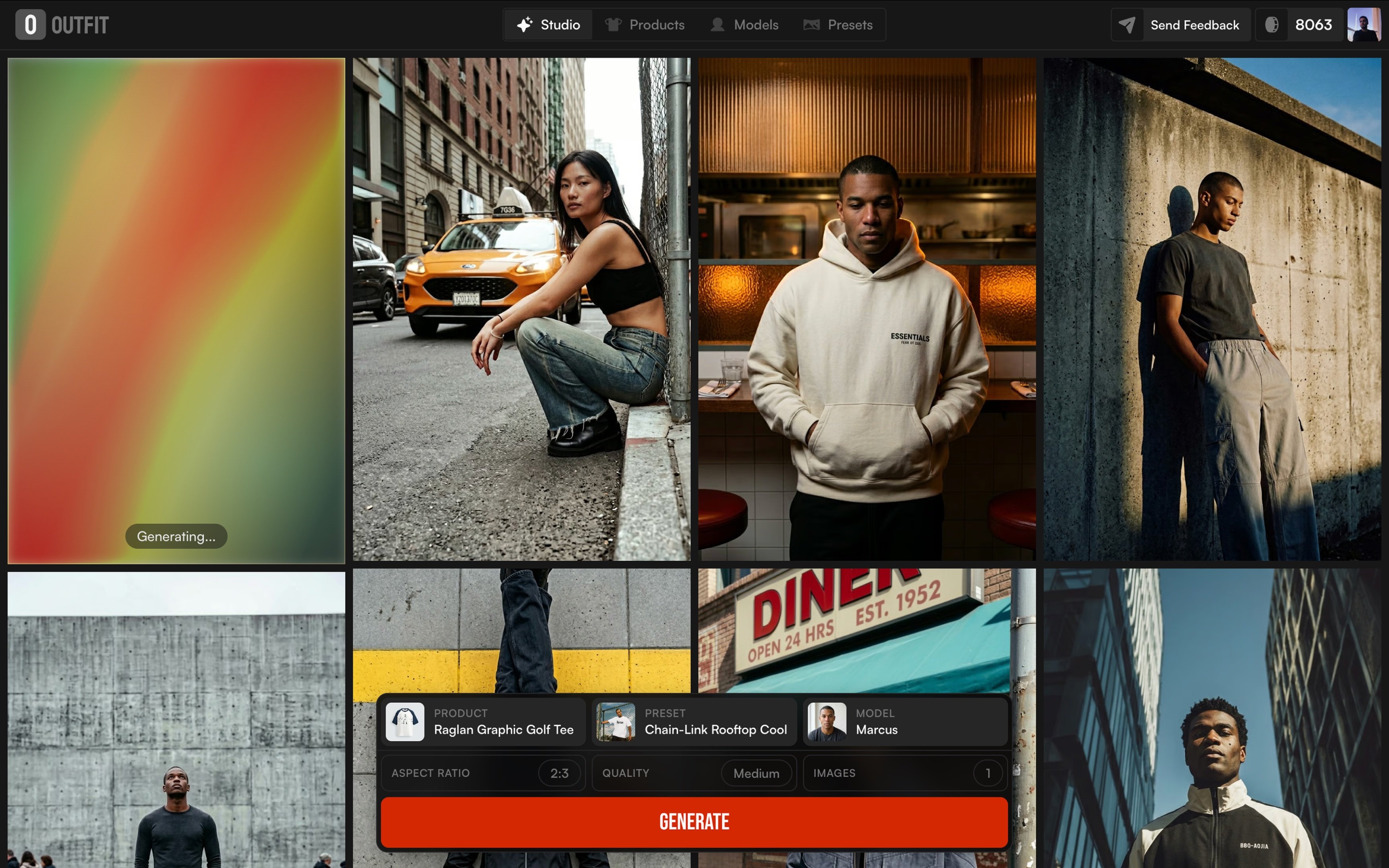
This is where AI-powered tools like Outfit come in. Instead of planning a full photoshoot, brands can turn one product image into multiple lifestyle visuals that feel natural and relevant. This makes it easier to keep product pages, ads, and social content up to date without extra production work.
In a crowded market, clear visuals reduce hesitation. And when customers understand a product faster, conversion and return on investment naturally follow.
What are AI lifestyle product images?
AI lifestyle product images are visuals that show a product in a real-life setting without needing a traditional photoshoot.
Instead of photographing a product in a studio and then planning separate lifestyle shoots, brands can start with a single product image and turn it into multiple lifestyle scenes. The product appears worn, used, or placed in an environment that feels familiar to the customer.
The goal isn’t to create something overly styled or artificial. It’s about clarity. When customers see a product in context, they understand how it fits into their daily life faster.
With modern AI-powered product photography tools, brands can generate lifestyle visuals that feel natural and consistent across channels. Platforms like Outfit make it possible to upload one product image and instantly create a complete photoshoot with different scenes and angles, all while keeping the product details accurate.
This flexibility also allows teams to mix lifestyle visuals with clean product mockups when needed using lifestyle images to inspire, and mockups to highlight details. The result is a balanced visual setup that works well on product pages, ads, and social content.
In simple terms, AI lifestyle images help brands present products in a way that feels real, relevant, and easy to understand without slowing down the content workflow.
Why lifestyle images drive conversion
Lifestyle images help customers make decisions faster, when shoppers see a clothing item in a real setting, they immediately understand how it looks, how it fits, and when it can be worn. This removes the need to imagine or guess, which is often what slows people down before buying.
For fashion brands, lifestyle visuals do more than show the product. They communicate style, mood, and everyday use in a single glance. A hoodie in a living room or a jacket styled in a casual street scene feels more relatable than a clean studio shot.
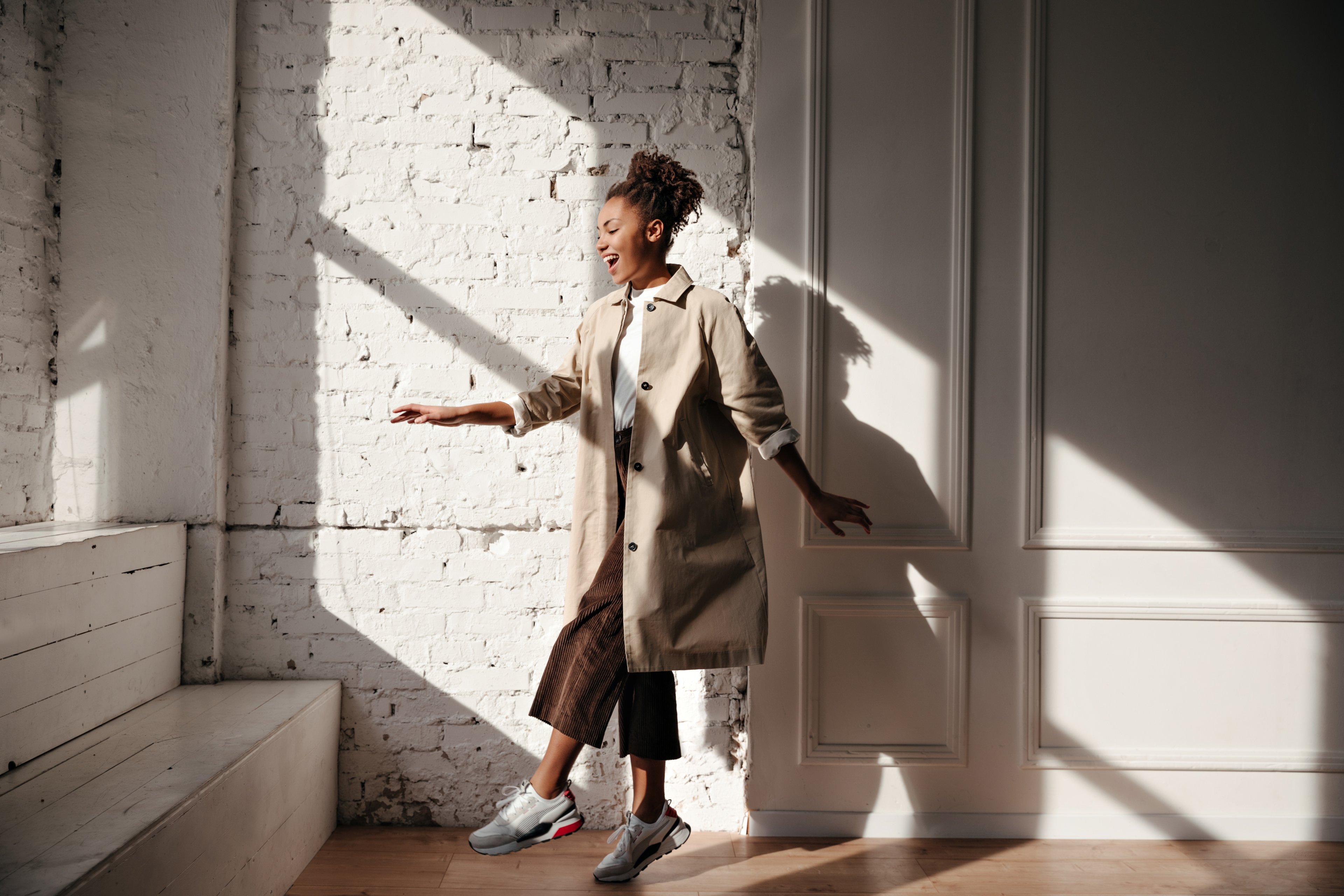
This kind of clarity builds confidence. Customers stay longer on the page, engage more with the product, and feel more comfortable moving forward. Over time, this often leads to higher conversion rates and stronger performance across ads and product pages.
That’s why many brands are shifting their visual strategy toward lifestyle content and moving away from relying only on traditional product photography. The focus is no longer on perfect images, but on images that help customers understand the product faster.
The ROI of AI lifestyle content
For e-commerce brands, return on investment isn’t just about selling more, it’s about doing more with less.
Traditional lifestyle photoshoots usually mean higher costs, longer timelines, and limited output. One shoot produces a small number of images, and once they’re used, the process starts again from scratch. This makes it hard to keep up with frequent campaigns, seasonal updates, or new product drops.
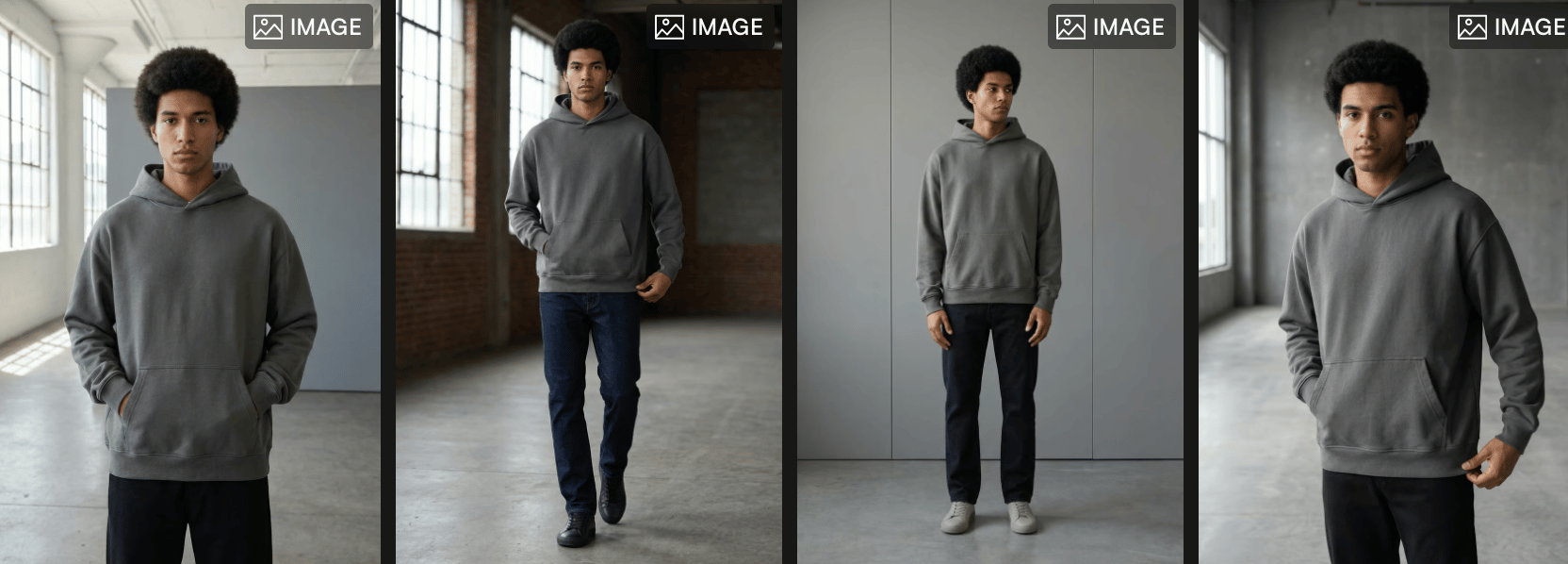
AI lifestyle content changes this equation by making visual production more predictable and scalable Brands can create more visuals from fewer inputs, update scenes quickly, and reuse content across product pages, ads, and social channels. The result is faster execution and lower production effort without sacrificing clarity or quality.
This flexibility allows teams to test what actually works. Different scenes, styles, or contexts can be used to see what drives better engagement and conversion, instead of relying on assumptions. Over time, this leads to smarter decisions and stronger performance across the funnel.
When visual production becomes faster and more scalable, it stops being a bottleneck and starts supporting growth. That’s where the real ROI comes from not just better images, but a more efficient content workflow.
The SEO advantage of AI lifestyle images
Lifestyle images help product pages perform better in search, when customers spend more time on a page and interact with images, it sends positive signals. Pages that clearly show how a product looks and is used often feel more helpful, which supports long-term visibility.
.jpg)
Lifestyle visuals also make it easier to keep pages updated. Fresh images for new collections or seasons help product pages stay relevant instead of feeling outdated.
Using the same visual style across your website matters too. A consistent visual language makes pages easier to understand and navigate, which improves overall experience and supports SEO over time.
Simply put, lifestyle images don’t just look good, they help pages stay useful, fresh, and easier to find.
Where AI lifestyle images fit in AI commerce
AI lifestyle images are part of a bigger shift in how e-commerce works today.
Brands are no longer using AI for one task only. AI is now involved in product presentation, content creation, merchandising, and marketing performance. Lifestyle visuals fit naturally into this flow because they sit right between the product and the customer.
Instead of creating visuals once and leaving them unchanged, brands can adapt images based on campaigns, platforms, or audience needs. A product can appear in different scenes, moods, or contexts without rebuilding everything from scratch.
This makes lifestyle images especially useful across the entire funnel from ads and landing pages to product pages and social content. They help keep visuals aligned with how customers actually shop and browse online.
Many brands already use AI in different parts of their workflow, and lifestyle images simply extend that approach to visual content. It’s less about automation, and more about making content creation faster and more flexible.
Best practices for using AI lifestyle product images
Start simple.
Lifestyle images work best when they feel natural, not overdone. Choose scenes that match how your customers actually live, dress, and use your products. The goal is clarity, not perfection.
Keep your visuals consistent. Use similar lighting, backgrounds, and styling across your product pages so the brand feels familiar and easy to recognize.
Don’t rely on lifestyle images alone. Mix them with clean product shots to show details like fabric, fit, and texture. This balance helps customers feel inspired while still giving them the information they need.
Test different scenes when possible. A product might perform better in one setting than another, and small changes can make a noticeable difference in engagement and conversion.
Most importantly, think about where each image will be used. Lifestyle visuals should support the page or campaign they appear in, not distract from it.