.png)
7 Pricing Strategies Every Small Fashion Brand Needs to Know
Most small brands underprice without knowing it. Here's how to build a pricing strategy that reflects your value, protects your margins, and grows with your brand.
You spent months perfecting your product, you priced it in five minutes!
Most small brands do this. They look at what competitors charge, pick something close, and move on. Then they wonder why they're always discounting, always struggling to cover costs, always feeling like the work isn't worth what they're making.
Pricing isn't just a number. It's a signal. It tells customers where your brand sits, who it's for, and whether it's worth their money before they've even read a single word about the product.
This article breaks down 7 pricing strategies that actually work for small fashion brands and how to choose the right one for where you are right now.
What is a pricing strategy?
A pricing strategy is the logic behind your number not just what covers your costs, but what positions your brand and keeps you profitable long term.

Most small brands treat pricing as a one-time decision. They set it at launch, forget it, and only revisit it when something goes wrong, that's the first mistake.
Before you pick a number, three things need to be clear:
Your real costs: Materials, packaging, shipping, platform fees, your time, Underpricing usually starts here.
Your perceived value: Shaped by your branding, photography, and packaging, everything visual before the price tag. Perceived value often matters more than actual cost when customers decide whether something is worth buying.
Your positioning: Competing on price or on value? That answer determines everything that follows.
The 7 pricing strategies that actually work for small brands
1. Cost-plus pricing
Add up everything it costs to make and deliver your product, then add your margin. Simple, but dangerous if you stop there.
Most brands start here. The problem is cost-plus tells you your floor, the minimum you can charge without losing money. It says nothing about what the market will actually pay, or what your brand is worth in the customer's eyes.
Use it as your baseline. Never as your only strategy.
2. Value-based pricing
Price based on what your customer believes the product is worth not what it cost you to make.

A handmade jacket that costs $80 to produce might be worth $280 to the right customer. The gap between those two numbers is your brand's job to justify through quality, storytelling, visuals, and experience.
This is the strategy premium and independent brands use. It's harder to execute than cost-plus, but it's the one that actually builds a sustainable business.
3. Competitive pricing
Looking at what competitors charge and pricing around them. Common, and easy to get wrong.
The problem isn't the strategy itself, it's that most brands copy the price without understanding what's behind it. A bigger brand can afford lower margins. You probably can't. Matching their price while running their costs through your smaller operation is how brands quietly bleed out.
Use competitive pricing for context, not as a formula.
4. Bundle pricing
Group products together at a combined price that feels like a deal without slashing individual prices.
A t-shirt at $45 and a cap at $35 become a bundle at $70. The customer feels like they're saving. You've increased your average order value without touching your individual margins. Bundle pricing works especially well during launches, seasonal campaigns, and when you want to move slower-selling pieces alongside bestsellers.
5. Premium pricing
Price higher than the market and make sure everything around the product justifies it.
Premium pricing isn't about being expensive. It's about being perceived as worth it. The brands that pull this off consistently invest in how their product looks before it's even touched, the photography, the packaging, the website experience. When everything signals quality, the price becomes part of the brand.
6. Psychological pricing
The way a price looks affects how it feels.
Charm pricing: $49 feels meaningfully cheaper than $50, even though the difference is one dollar. It works because customers process the left digit first.
Anchor pricing: Show a higher original price next to a sale price. The original becomes the reference point, the sale price feels like a win.
Decoy pricing: Offer three options where the middle one looks like obvious value. Most customers pick the middle.
None of these require changing your actual pricing strategy. They just make your prices work harder.
7. Dynamic Pricing
Change your prices based on demand, season, inventory levels, or customer behavior.
This doesn't mean random price changes. It means paying attention. If something sells out in 48 hours every time you restock, your price is probably too low. If something sits for months, the price might be the barrier or it might be the product, the photos, or the positioning.
Dynamic pricing is less a strategy and more a habit, the habit of treating your prices as something alive, not fixed.
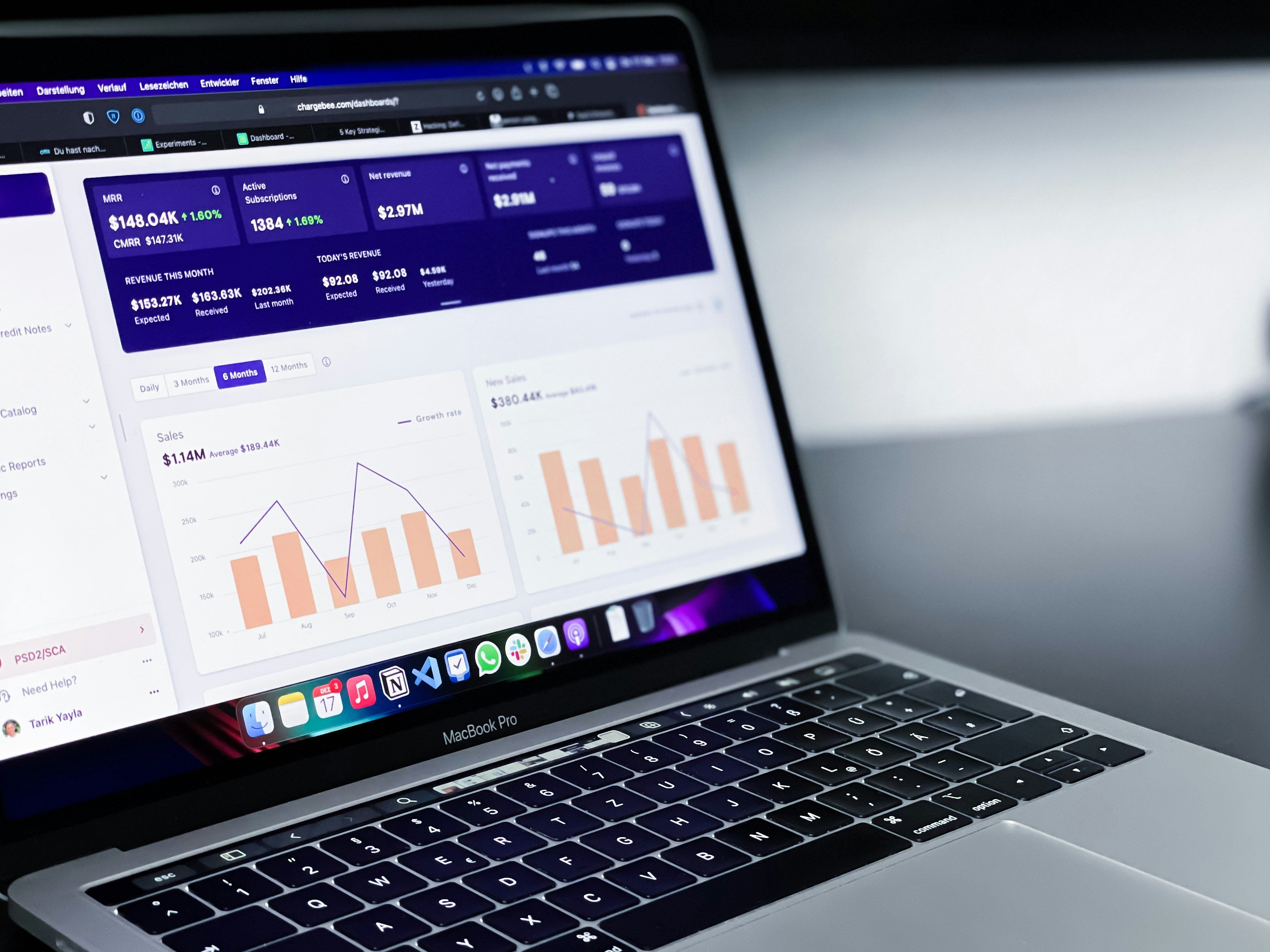
The psychology behind the price tag
Before a customer reads your price, they've already formed an opinion about what it should be based on everything they've seen before getting there.
Your photography signals quality or lack of it. Your packaging signals care or indifference. Your website signals premium or amateur. By the time someone sees your price, you've either earned the right to charge what you're charging, or you haven't.
This is why two identical products at identical prices convert completely differently. The price isn't the variable, The perception is.
How to choose the right strategy for your brand
Not every strategy fits every stage. A simple framework:
If you're just starting out: begin with cost-plus to understand your floor, then layer in value-based thinking as you learn what your customer is willing to pay.
If you're building a premium brand: invest in perception first. Photography, packaging, website. Then price to match what you've built.
If you're launching a new product: consider penetration pricing to build traction, with a plan to adjust once you have proof of demand.
If you want to increase average order value: bundle pricing is the lowest-effort, highest-impact move available to you right now.
The worst thing you can do is copy a competitor's price without understanding their cost structure, their margins, or their strategy.
Mistakes that cost you more than you think
Being the cheapest: Low prices attract price-sensitive customers, the ones most likely to leave the moment someone charges less. You can't build a brand on that foundation.
Forgetting hidden costs: Packaging, transaction fees, returns, the hours you spend on customer service, these eat into margins silently. If you haven't accounted for them, you're probably undercharging.
Never reviewing your prices: Costs go up. Your brand grows. Your audience shifts. A price that made sense at launch might be leaving money on the table eighteen months later.
Discounting as a default: A sale once in a while builds urgency. Constant discounting trains your customers to wait for the next one and signals that your original price was never real.
How to know if your price is right
You don't need to get it perfect on day one. You need to get it close enough to learn from.
A few approaches that work:
Run a simple A/B test: If your platform allows it, test two price points on the same product over a short period. Watch conversion rate, not just revenue.
Watch your add-to-cart vs. purchase ratio: A high add-to-cart rate with low conversions often points to a pricing or trust issue. A low add-to-cart rate usually means the product or the presentation isn't landing.
Ask directly: A short post-purchase survey asking what almost stopped you from buying? surfaces pricing concerns you'd never find in the data alone.
Pricing isn't a guess you make once. It's a hypothesis you keep testing.
Conclusion
The right price isn't the lowest one. It's the one that reflects what your brand is actually worth and gives you the margin to keep building it.
Start with your costs. Understand your value. Pick a strategy that fits your stage. And treat your pricing like a living part of your business, not a number you set and forget.
The brands that get this right don't always have the best product. They have the clearest sense of what they're worth and the confidence to charge for it.