Micro-Influencers vs Big Influencers: What Works Better?
Not sure whether to work with micro or macro influencers? Learn the real differences, when each one works, and how smart brands are using both to grow faster.
Every brand today wants a piece of influencer marketing and for good reason. It works.
But here's the question most marketers get stuck on: Should I go with a big influencer who reaches millions? Or a micro-influencer with a smaller but more engaged audience?
The honest answer? It depends on what you're trying to achieve.
Awareness, sales, trust, reach each goal points to a different type of influencer. And choosing the wrong one doesn't just waste your budget, it means your message lands in front of the wrong people.
In this article, we'll break down the real differences between micro and macro influencers, when each one actually works, and how smart brands are using both to get the best results.
What are micro-influencers and macro-influencers?
Before diving into which one works better, let's quickly define what we're actually talking about.

Micro-Influencers
Micro-influencers typically have between 10,000 and 100,000 followers. Their audience is usually focused around a specific niche, fitness, fashion, food, tech and because of that, their followers genuinely trust their recommendations.
The relationship feels personal, almost like advice from a friend.
Macro-Influencers
Macro influencers or big influencers sit at 100,000 followers and above sometimes reaching millions. They offer massive visibility and usually produce high-quality, polished content. But the trade-off?
That personal connection tends to thin out at scale.
Think of it this way: a micro-influencer is like a trusted local expert, while a macro influencer is like a billboard on the highway seen by everyone, but not necessarily speaking to anyone.
Micro vs Macro: key differences
The main difference between micro and macro influencers comes down to reach, engagement, and cost. Each one serves a different purpose depending on your goal.
Here’s a simple comparison:
Factor | Micro Influencers | Macro Influencers |
|---|---|---|
Followers | 10K – 100K | 100K+ |
Reach | Limited | Massive |
Engagement | High | Lower |
Cost | Affordable | Expensive |
Trust | Strong | Moderate |
Best for | Conversions | Awareness |
Micro-influencers usually have a smaller but more engaged audience, which makes them effective for building trust and driving actions like clicks or purchases.
Macro influencers, on the other hand, help brands reach a large audience quickly, making them a better fit for campaigns focused on visibility and brand awareness.
Pros and cons of each
Knowing the differences is one thing but understanding the full picture of what each type brings to the table (and where they fall short) helps you make a smarter decision before spending a single dollar.
Micro-influencers
Pros
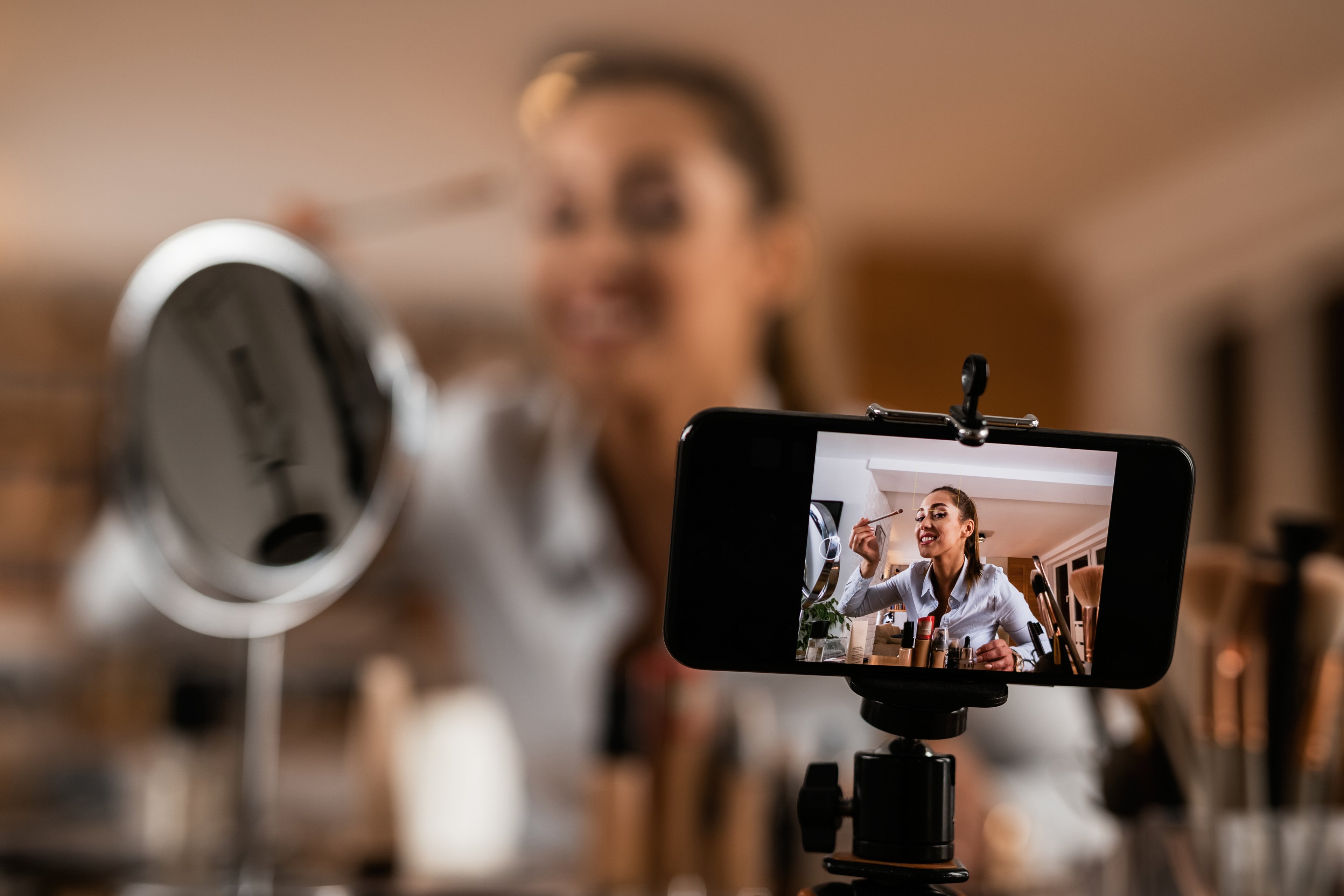
Authentic by nature: Their content doesn't feel like an ad, it feels like a recommendation. That authenticity is hard to fake, and audiences can tell the difference.
Higher engagement: A smaller, focused audience usually leads to more comments, saves, and clicks. In many cases, engagement rates are significantly higher for smaller creators, which can directly impact performance.
Lower cost: You can run campaigns with multiple micro-influencers for the price of one macro post and often see better results across the board.
Niche audience: If you're selling a specific product to a specific type of person, micro-influencers get you straight to that person no wasted impressions.
Cons
Limited reach: One post won't move the needle at scale. To build real visibility, you need to work with multiple influencers at once.
More management: More influencers means more briefs, more follow-ups, more coordination.
Inconsistent quality: Not every micro-influencer produces polished content so vetting matters.
Macro-Influencers
Pros
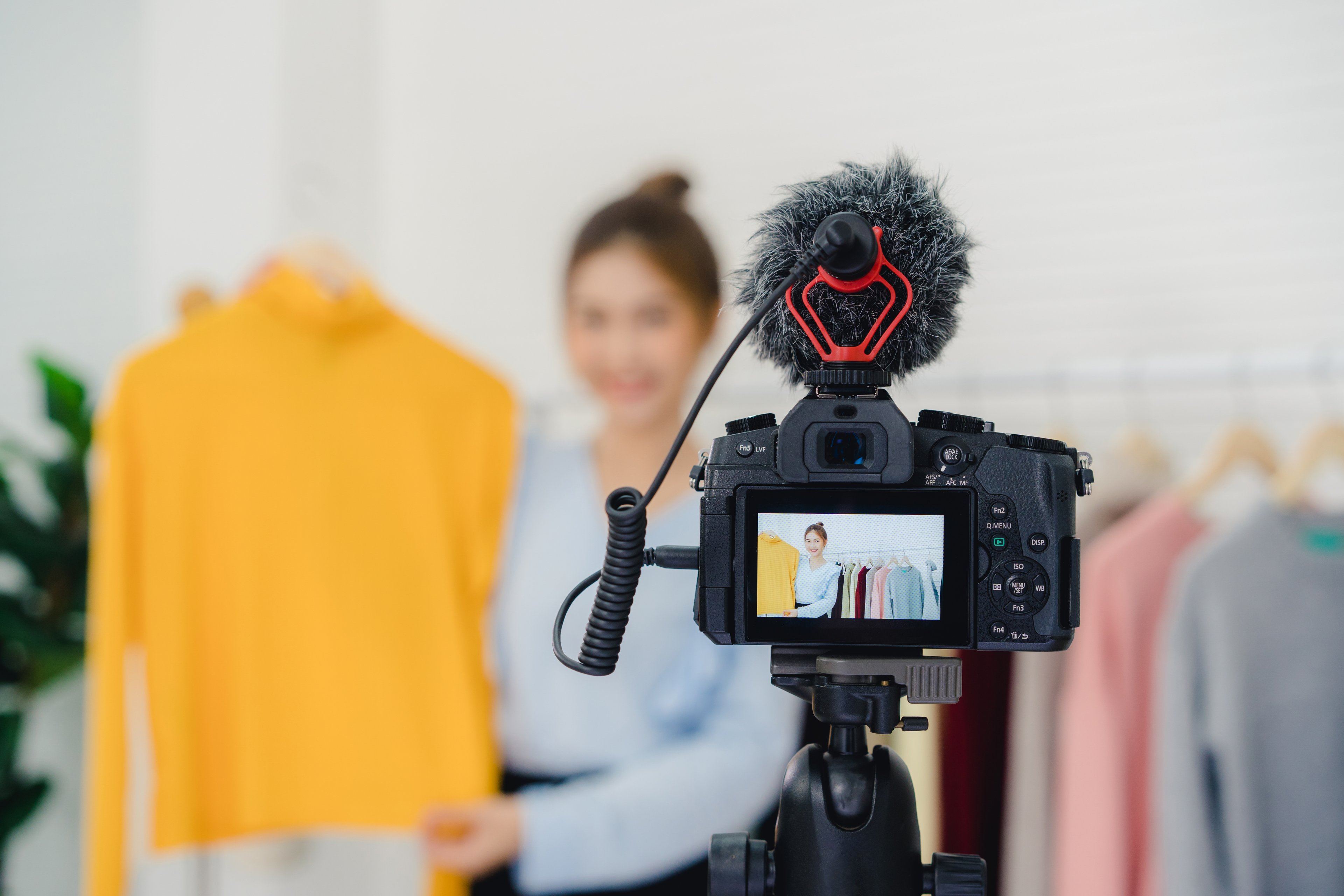
Wide reach. One post, millions of eyes. For a big campaign launch, that kind of visibility is hard to match.
Strong brand awareness. Being associated with a well-known influencer instantly adds credibility.
Professional content. Big influencers usually have production teams. The result is polished, high-quality visuals that look great across every platform.
Cons
High cost: The price tag can be steep and there's no guarantee it converts into actual sales.
Lower engagement: A massive following doesn't mean a responsive one. Many followers are passive scrollers, not buyers.
Less personal connection: When an influencer promotes ten brands a month, the audience notices and the endorsement starts feeling transactional.
Which one works better?
Honestly? There's no universal answer and anyone who tells you otherwise is oversimplifying.
The right choice depends entirely on what you're trying to achieve.

When micro-influencers work better
If your goal is to drive actual sales, micro-influencers are hard to beat. Their audience trusts them, listens to them, and acts on what they say. That's why brands focused on conversions and community building consistently see stronger ROI from micro campaigns than from one big splashy post.
When macro-influencers work better
If you need to put your brand in front of as many people as possible fast, macro influencers deliver. A single post from the right name can generate massive awareness overnight. This works especially well for product launches and seasonal campaigns where visibility is the primary goal.
The real answer isn't micro or macro, it's knowing which one serves your goal right now. A brand chasing trust needs different tools than a brand chasing reach.
And the smartest brands? They use both.
Platform matters
The same influencer strategy won't work the same way on every platform. Where your audience lives changes everything.
TikTok
On TikTok, content is king not follower count. The algorithm pushes good content to new audiences regardless of how big the creator is. That's why micro-influencers often outperform bigger names here authentic, relatable videos get more traction than polished, celebrity-style posts.
Instagram sits somewhere in the middle. Both micro and macro influencers can win here depending on the format Stories, Reels, and feed posts each play differently. It's the most flexible platform for influencer marketing strategies of all sizes.
YouTube
YouTube is built on trust and authority. Viewers commit 10, 15, sometimes 20 minutes to a single video which means they need to genuinely respect the creator. That's why macro influencers tend to dominate here. The depth of content rewards established names with loyal, long-term audiences.
How to choose the right influencer
Picking the wrong influencer doesn't just waste your budget, it sends your message to the wrong people entirely. Before you reach out to anyone, run through these four questions first.
What's Your Goal?
This is the most important question. If you want sales and conversions, lean micro. If you want visibility and awareness, lean macro. Your goal should drive every decision that comes after it.
What's Your Budget?
Be realistic. A macro influencer might cost more than your entire monthly marketing budget. Micro-influencers give you more control over spend and you can test multiple creators at once without breaking the bank.
Does their audience match yours?
Follower count means nothing if the audience isn't the right fit. Look at who actually follows them age, interests, location. A perfect niche match with 20K followers will always outperform a mismatched one with 500K.
Which platform are they on?
As we covered in the last section, platform changes everything. Make sure the influencer is strong on the platform where your audience actually spends time not just where they happen to post most.
Smart strategy use both
The brands that get the best results from influencer marketing aren't choosing sides. They're using both strategically.
The Formula That Works
Think of it as a two-step approach. Macro influencers put your brand on the map. Micro-influencers close the deal.
A big influencer creates the moment millions of people see your brand for the first time. Then micro-influencers take over, speaking directly to niche audiences who are already primed to buy. One builds awareness, the other builds trust and together they cover the full customer journey.
A real-world example
Imagine launching a new clothing line. You partner with a macro influencer for the launch post massive reach, instant visibility. Then you send the product to ten micro-influencers in your niche. Each one creates authentic content for their specific audience. The result? Wide reach and deep trust at the same time.
Why most brands don't do this
Budget. It feels like doing both costs more and it can. But running three or four micro-influencer campaigns is often cheaper than one macro post, and the combined impact is far greater.
Final takeaway
There’s no single best choice when it comes to influencers.
Micro-influencers offer trust, engagement, and strong connections with their audience. Macro influencers bring reach, visibility, and fast exposure.
The real advantage comes from understanding when to use each and how to combine them based on your goals.
As influencer marketing continues to evolve, brands that focus on authentic content and audience connection tend to see the best long-term results.