Do Influencers Really Help New Brands Grow?
Is influencer marketing worth it for new brands? Discover when it works, when it doesn’t, and what truly turns visibility into sales.
Influencer marketing for new brands has become one of the fastest-growing marketing strategies in e-commerce. According to the latest benchmark data from Influencer Marketing Hub’s industry report, brands continue increasing their influencer budgets year after year expecting stronger reach, engagement, and sales.
For a new fashion brand, the logic seems clear: collaborate with a creator, tap into their audience, and accelerate growth.
But here’s the real question:
Does influencer exposure actually translate into sustainable brand growth or just temporary attention?
Many early-stage brands discover that traffic alone doesn’t guarantee conversions. If the product pages, visuals, and overall presentation aren’t strong enough, influencer-driven visitors simply leave.
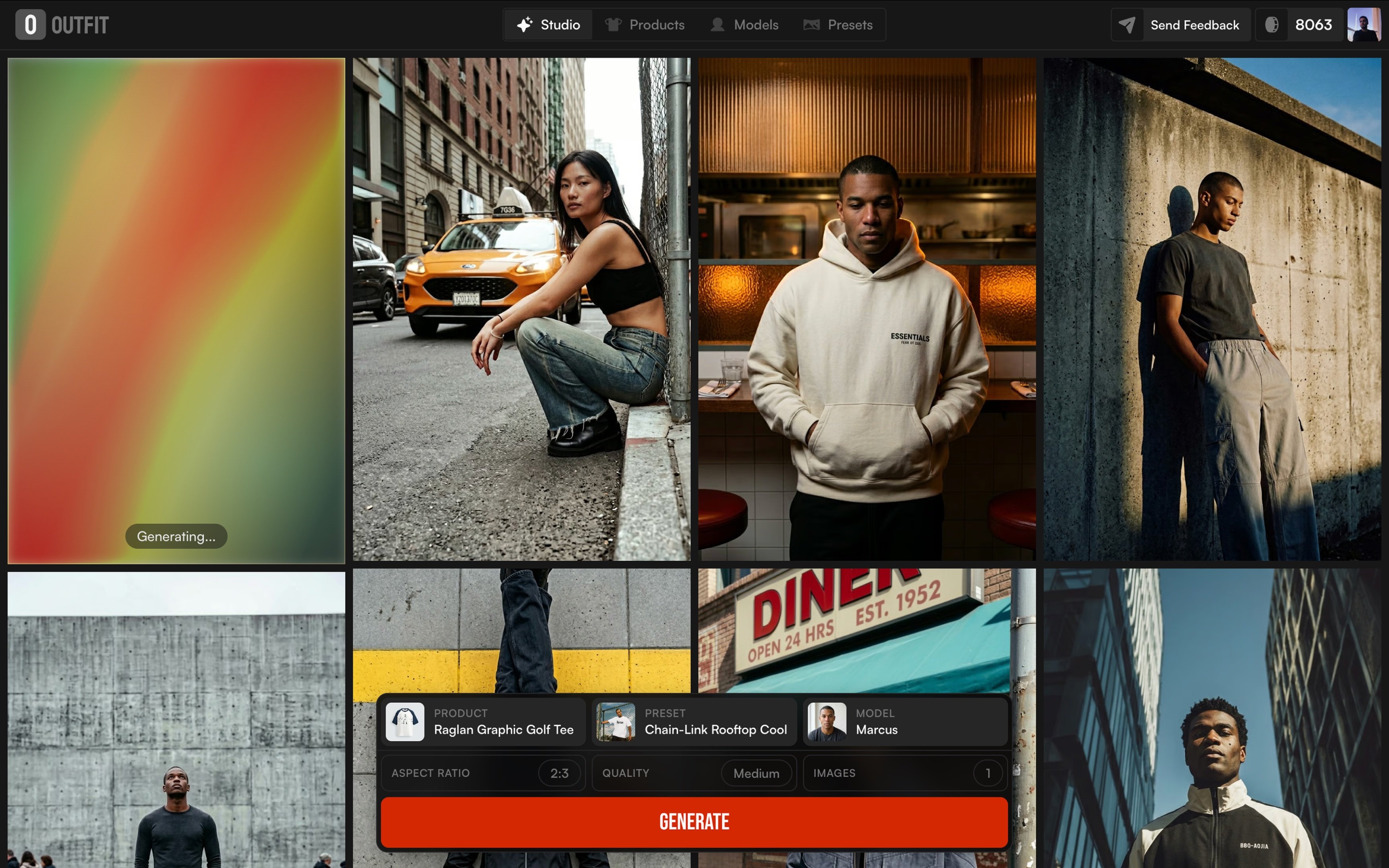
In fact, as we explored in why great product photography changes everything, strong visual assets often play a bigger role in conversion than visibility alone.
So before investing heavily in influencer marketing, it’s worth understanding where it truly works and where it doesn’t.
The rise of social media creators
Social media creators aren’t just posting content anymore. They’ve built communities. And people trust communities more than ads.
That’s one reason influencer marketing keeps growing. According to eMarketer, brands are expected to keep increasing their spending on influencer collaborations in the coming years.

For new brands, this feels like a shortcut to visibility. Instead of building an audience from scratch, you borrow someone else’s.
But visibility alone isn’t enough. Once a creator sends traffic to your page, your brand presentation does the real work. Strong visuals and a clear identity often matter more than the shoutout itself, something we discussed in how to create a consistent visual language for your brand.
Creators can bring attention, your brand decides what happens next.
Types of social media influencers
Not all influencers are the same. The size of their audience often changes the results you can expect.
Nano influencers (1K–10K followers): smaller audience, but usually high engagement and strong trust.
Micro influencers (10K–100K): often the sweet spot for new brands. More reach, still personal.
Macro influencers (100K+): bigger visibility, higher cost.
Celebrities: massive exposure, but not always the best fit for startups.

For many small brands, the real question isn’t Should we use influencers?
It’s: Do micro influencers actually help small brands grow?
Sometimes they do especially when the audience is highly targeted. But even then, traffic needs strong product pages and visuals to convert. Otherwise, you’re paying for attention without turning it into sales.
How influencers help brands grow
When influencer marketing works, it usually works in three main ways.
First, it increases visibility. A single post can introduce your brand to thousands of potential customers in minutes especially when the creator already has an engaged audience.
Second, it builds social proof. Studies highlighted by Marketing Dive show that consumers are more likely to trust recommendations from creators than traditional brand ads.
Third, it creates content. Influencer collaborations often give you photos and videos you can reuse across your website and social media.
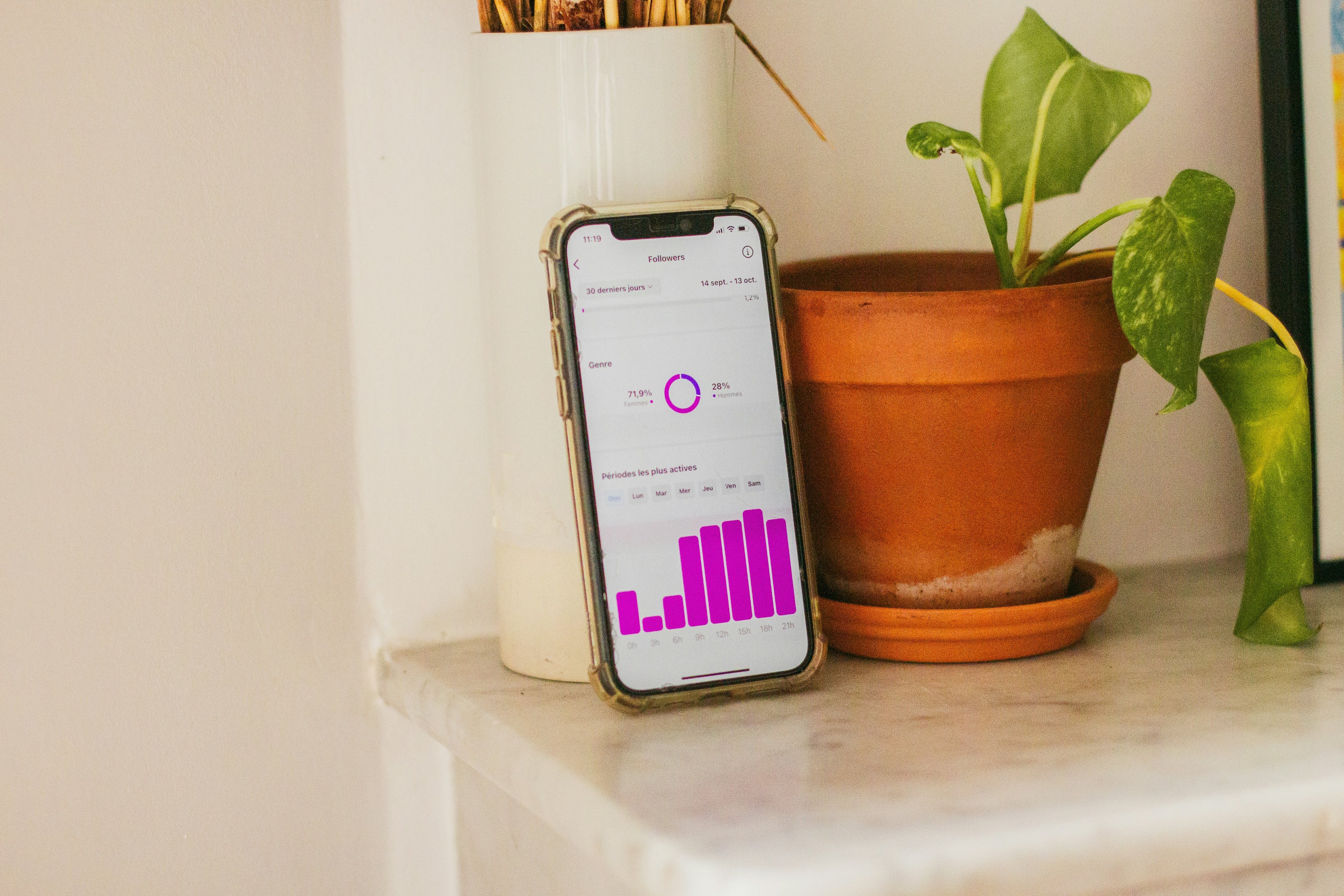
But here’s the key: awareness and credibility don’t automatically mean sales. Growth only happens when exposure meets strong branding and high-converting visuals.
That’s why many brands support influencer campaigns with better product presentation, knowing that strong visuals play a major role in turning attention into sales.
5 Pros of working with influencers
1- Fast exposure - You can reach a large audience quickly.
2- Built-in trust – Followers often trust creators they follow.
3- Content creation – You get photos and videos you can reuse.
4- Targeted reach – Niche influencers speak to specific communities.
5- Brand awareness boost – Helpful when launching a new product.
Industry benchmark data from Influencer Marketing Hub shows that many brands report strong engagement from influencer campaigns especially when the audience is highly aligned.
5 Cons of influencer marketing
1- Unclear ROI – Engagement doesn’t always translate into sales.
2- High cost – Fees can be expensive for early-stage brands.
3- Short-term results – Most campaigns create temporary spikes.
4- Audience mismatch – Followers may not match your buyer profile.
5- Low conversion rates – Traffic without strong product pages rarely converts.
That’s why many startups eventually shift their focus toward building assets they fully control like their website, visuals, and brand identity.
For example, if your store presentation isn’t optimized, even viral traffic won’t fix it, something we discussed in the importance of having a good website as a fashion brand.
What influencers can’t do alone
Influencers can bring attention to your brand, but they can’t fix weak foundations.
If your product pages are unclear, your visuals feel inconsistent, or your branding isn’t strong, traffic won’t convert. People might visit but they won’t buy.
That’s why influencer marketing works best when it’s supported by strong presentation, clear messaging, and visuals that actually sell.
Influencers can open the door.
Your brand experience is what closes the sale.
Final Thoughts
Influencer marketing can absolutely help new brands grow especially in the early stages. It brings visibility, credibility, and sometimes fast results.
But growth doesn’t come from exposure alone.
For new brands, the real win happens when awareness is backed by strong fundamentals: clear positioning, consistent visuals, and product pages built to convert.
Influencers can accelerate momentum.
But sustainable growth comes from building assets you control your brand, your content, and your customer experience.
Before increasing your influencer budget, make sure your foundation is strong enough to turn attention into actual sales.