How To Start a hoodie Business: 2026 Guide
Got a hoodie idea but don't know where to start? This 2026 guide walks you through niche, sourcing, branding, and your first launch, step by step.
Everyone has a hoodie. Seriously, it's one of those pieces that never goes out of style, never gets replaced by a trend, and never stops selling. And yet, every year, new hoodie brands pop up and actually make it. Not because the market is empty, but because there's always room for a brand that does it differently.
If you've been sitting on the idea for a while, thinking the market is too crowded or I don't know where to start this guide is for you. By the end of it, you'll have a clear picture of what it actually takes to launch a hoodie brand in 2026, what to do first, and what to avoid.
Let's get into it.
Understanding the hoodie market in 2026
The global streetwear and casual apparel market is still growing and hoodies sit right at the centre of it. They're not just loungewear anymore. They're worn to the gym, on nights out, layered under jackets, and styled in ways that would've looked strange five years ago.
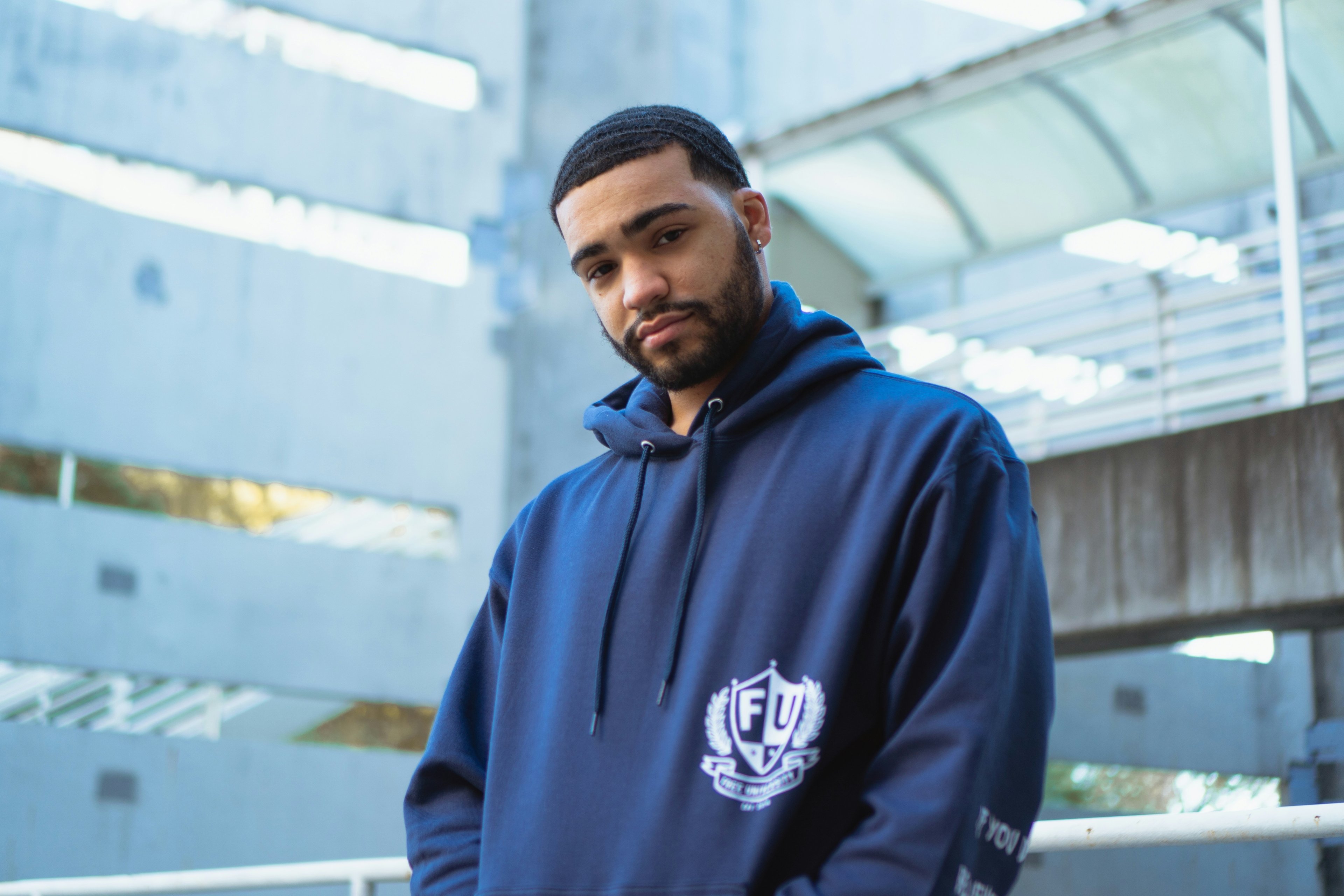
What's changed in 2026 is who is buying them and how they're buying. Younger consumers (Gen Z especially) are loyal to small brands often more than big ones because they want something that feels like it was made for them, not mass-produced for everyone. They discover brands on TikTok before they ever Google them. They buy based on aesthetic and vibe, not just price.
This is actually good news for you. You don't need a massive budget to compete. You need a clear identity and a product worth talking about.
How to find a profitable hoodie niche?
This is the step most people skip and it's usually why new brands struggle. A hoodie brand isn't a niche. It's a category. You need to go one level deeper and ask: who is the specific person buying this, and why would they choose yours over everything else?
Before you land on an answer, spend some time doing actual research. Google Trends is free and more useful than people realise, search terms like heavyweight hoodie brand or oversized hoodie aesthetic and you'll see real demand patterns, not guesses.

Some niches that are genuinely working right now:
Oversized aesthetic hoodies: targeting the minimalist, neutral-toned crowd
Gym and training hoodies: performance fabric, fitted cuts, content-friendly
Couples and matching sets: huge on TikTok, strong gifting angle
Cultural identity brands: rooted in a city, country, or community
Limited drop brands: scarcity-led, hype-driven, works well with a loyal following
Once you have a niche in mind, look at what's already getting traction on TikTok and Instagram. If other brands are doing something similar that's a good sign, not a bad one. It means demand exists. Your job is to do it differently.
Design and source your hoodies
The biggest mistake new brands make is jumping straight to putting a logo on a blank hoodie and calling it done. The logo matters less than you think. What people actually remember and what gets them to come back is how the hoodie feels to wear. The weight of the fabric, the fit, how it holds up after a few washes.

If you want to test your designs before committing to inventory, platforms like Printful and Printify let you sell print-on-demand hoodies with no upfront stock. It's a low-risk way to see what people actually buy before you go deeper.
For brands that want something more premium and distinctive, the options are:
Blank wholesale suppliers like Stanley/Stella or Bella+Canvas you add your own print or embroidery, lower MOQ, good for starting out
Private label manufacturers: your own cut and sew design, higher cost, but a stronger and more unique product. Alibaba is a common starting point for finding manufacturers, though always order samples before committing to a full run
Print-on-demand: no inventory, only pay when someone orders, perfect for the early testing phase
Whichever route you go, start small. 30–50 units in 2–3 colourways is enough to launch properly, learn what sells, and reorder with confidence.
Establish your hoodie brand
A lot of people get stuck here overthinking the logo, the colours, the name when the real question is simpler: what does this brand actually stand for, and who is it for?
Your brand name should be easy to say, easy to spell, and available as a domain and across social platforms. It follows you everywhere, your labels, your packaging, your URL, every piece of content you ever make. Some people land on something in an afternoon. Others go in circles for weeks. Either way, don't move forward until it feels right.
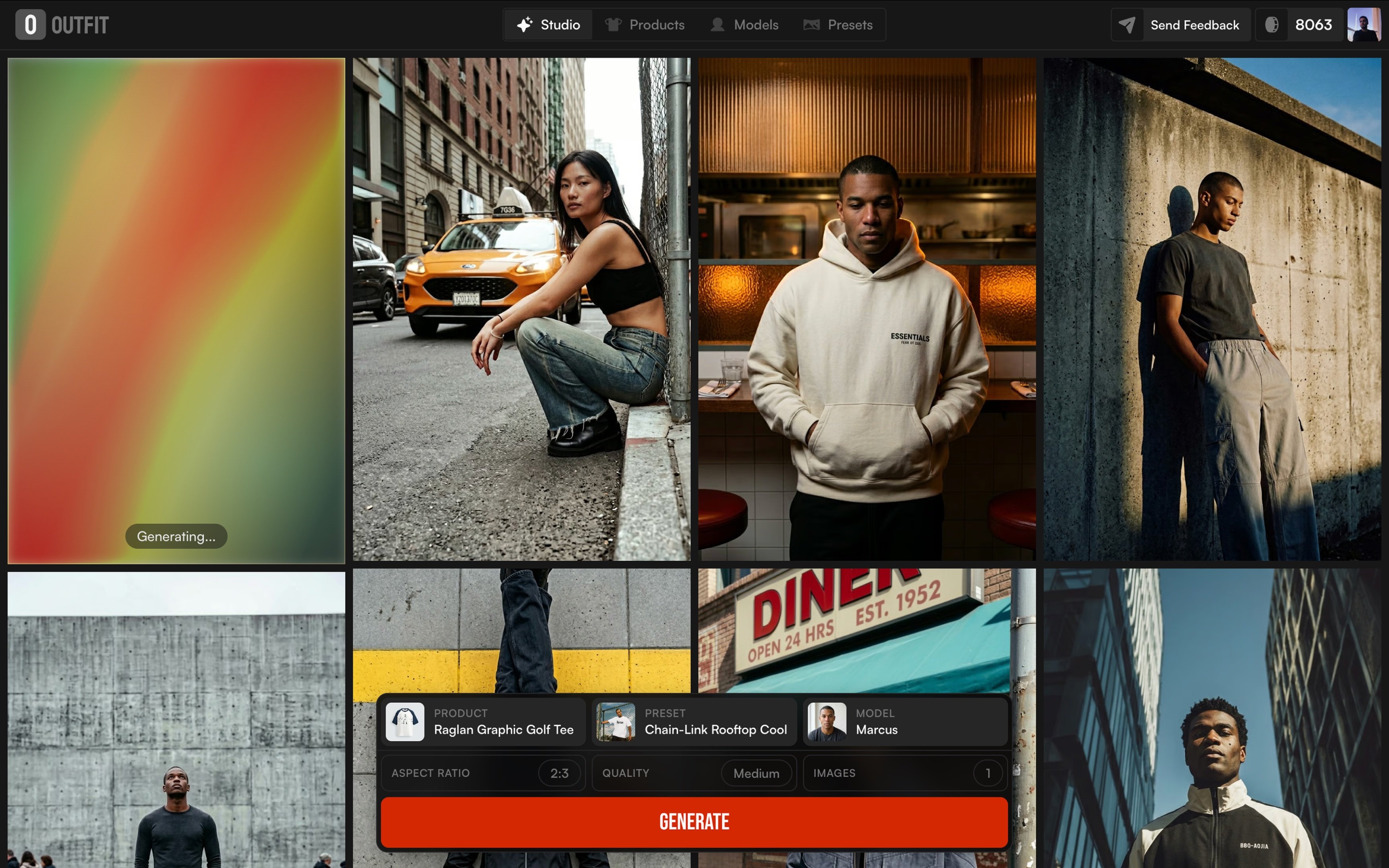
Once the name is locked, focus on your visuals, a clean logo, 2–3 colours max, and product photos that actually look good. That last one trips up a lot of new brands. You don't need a studio or a photographer anymore. Tools like Outfit generate lifestyle and model shots from a single upload of your hoodie so you can have professional-looking product images ready before your first order even arrives.
The visual side of a brand isn't just about looking good on launch day. It's about staying consistent as you grow same mood, same colours, same feel whether someone finds you on TikTok or lands on your website for the first time.
Select the right sales channel
Where you sell shapes everything, your customer experience, your data, your ability to build a brand people remember. Most new founders either overthink this decision or rush it, so here's the honest breakdown.
For full control over your store and your customer relationship, Shopify is still the most reliable foundation for fashion brands. Plans start around $39/month not free, but worth it if you're building something with longevity. The real question most people skip is whether to start on their own website or a marketplace and the answer isn't the same for everyone.
Your main options right now:
Shopify: your own store, full control, best for long-term brand building
Etsy: high organic traffic, great for gift buyers, but the audience is price-sensitive
TikTok Shop: if you're already creating content on TikTok, the integration between video and purchase is seamless and genuinely worth considering in 2026
Most brands end up on two channels, their own store plus one marketplace or social shop. Don't try to be everywhere at once when you're still figuring out what works.
Marketing strategies that drive hoodie sales
You can have the best hoodie in the world and still sell nothing if nobody knows it exists. Marketing isn't optional, it is the job, especially early on.
For fashion brands in 2026, TikTok is where discovery happens. You don't need a big following to get traction, the algorithm is genuinely one of the most level playing fields in social media right now. Show the product being worn in real life. Show the packaging. Show the behind-the-scenes. Fashion and apparel are consistently among the top-performing categories on the platform, so the audience is already there, you just need to show up consistently.
The drop model works even for small brands: Instead of keeping stock available all the time, release limited quantities on a set date. Announce it a week out, build anticipation through stories and TikToks, sell out fast. Even 30 units sold out is a marketing moment, it signals demand and creates urgency for the next drop.
On influencers before you spend anything here, it's worth asking whether it actually makes sense for where you are. Micro-influencers (10k–100k followers) in your specific niche will almost always outperform big names because their audience trusts them in a way that paid partnerships with larger accounts rarely replicate.

Email from day one: Every buyer and every subscriber is someone you can reach again without paying for it. Even a simple welcome sequence makes a difference. If the terminology feels unfamiliar, there's a plain-language breakdown worth reading before you set anything up. And if you're struggling with what to actually post when you're starting from zero, these content ideas for new brands give you a solid starting point without overcomplicating it.
Legal requirements to start a hoodie business
This section isn't exciting but skipping it causes real problems later. The good news is that it's not complicated when you take it one step at a time.
Start by registering your business. The right structure depends on where you're based sole trader, LLC, or limited company but getting it official before you start taking real money protects you and makes everything from banking to supplier contracts easier. The U.S. Small Business Administration has a clear walkthrough for US-based founders.
Once your business is registered, think about trademarking your brand name. If you're serious about building something, file early through USPTO in the US or IPO in the UK before someone else uses the name once you've put real effort into building equity around it.
A couple of other things worth sorting: understand your tax obligations (sales tax or VAT rules vary by where you sell and where your customers are worth talking to an accountant before you scale), and check labelling requirements for your market. In most countries, clothing needs fabric composition and care instructions on the label. Small detail, but it matters for compliance.
Costs of starting a hoodie brand
One of the most googled questions is how much does it cost to start a hoodie brand? and the honest answer depends entirely on how you approach it. Going print-on-demand keeps your upfront costs minimal. Going private label from day one costs more but gives you a stronger product. Most lean launches land somewhere in between.
Here's a realistic breakdown for a small first run:
Item | Estimated Cost |
|---|---|
Sample hoodies (5–10 units) | $100–$300 |
First production run (50 units) | $500–$1,500 |
Branding (logo, basic design) | $0–$300 |
Product photography | $0–$200 (or use AI tools) |
Website (Shopify, 3 months) | ~$120 |
Packaging (tags, bags, tissue) | $50–$150 |
Initial marketing | $100–$300 |
Total | ~$850–$2,500 |
Set your prices based on your actual costs, not on what competitors are charging. A common rule of thumb is 2.5–3x your landed cost that's your product cost plus shipping plus packaging. If that feels like a lot more detail than you expected, how to start a clothing brand on a budget covers the financial side in practical terms.
Mistakes to avoid when starting a hoodie brand
Most of the mistakes new hoodie brands make aren't about the product, they're about decisions made too early, too fast, or without enough information. Here are the ones worth knowing before you make them.
Ordering too much stock too soon: The excitement of your first production run makes it tempting to go big. Don't. Cash flow problems often caused by unsold inventory are one of the top reasons small product businesses fail. Start small, sell out, then reorder.
Skipping the sample stage: Always order samples before committing to a full production run. Colours look different in person. Sizing runs differently than the spec sheet suggests. You need to feel the product before your customers do.
Underpricing to compete: Low prices attract bargain hunters, not loyal customers. Price your product at what it's worth, invest in the details that make it feel premium, and attract people who actually value what you've made. The brands that stand out are rarely the cheapest ones, they're the most intentional.
Ignoring packaging: The unboxing moment is content. It's also the last impression before someone decides whether to buy again. A tissue paper and a thank-you card costs almost nothing and makes a real difference to how the brand feels. The most common packaging mistakes are easy to avoid once you know what they are.
Trying to do everything at once: One channel, mastered. One product, done well. Then expand. Focus is what separates brands that survive from brands that fizzle out in six months.
FAQ
Q: How much money do I need to start a hoodie business?
You can get started with as little as $500–$1,000 using print-on-demand. For a private label brand with your own stock, budget $1,500–$3,000 for a solid foundation. The more you invest in quality and visuals upfront, the easier the launch tends to be.
Q: Do I need a registered business before I launch?
Technically you can make your first few sales before registering, but it's better to have it set up early. Registration protects you, simplifies banking, and means you're tracking income and expenses properly from day one.
Q: How long does it take to go from idea to first sale?
Realistically, 6–12 weeks if you're moving with purpose. Niche and branding (2 weeks), sourcing and sampling (3–4 weeks), photography and store setup (1–2 weeks), pre-launch content and launch (1–2 weeks). The brands that drag it out are usually waiting for everything to be perfect. It won't be and that's okay. Launch, learn, improve
Closing Thoughts
Starting a hoodie brand in 2026 is more accessible than it's ever been. The tools exist. The platforms exist. The audience exists. What's missing for most people isn't information, it's the decision to actually start.
You don't need everything figured out from day one. You need a product worth wearing, a brand worth following, and the consistency to show up even when the early numbers feel small.
Pick your niche. Get the product right. Show up online before you feel ready. The brands that win aren't the ones who waited until everything was perfect, they're the ones who started, figured it out as they went, and kept going.
That can be you.