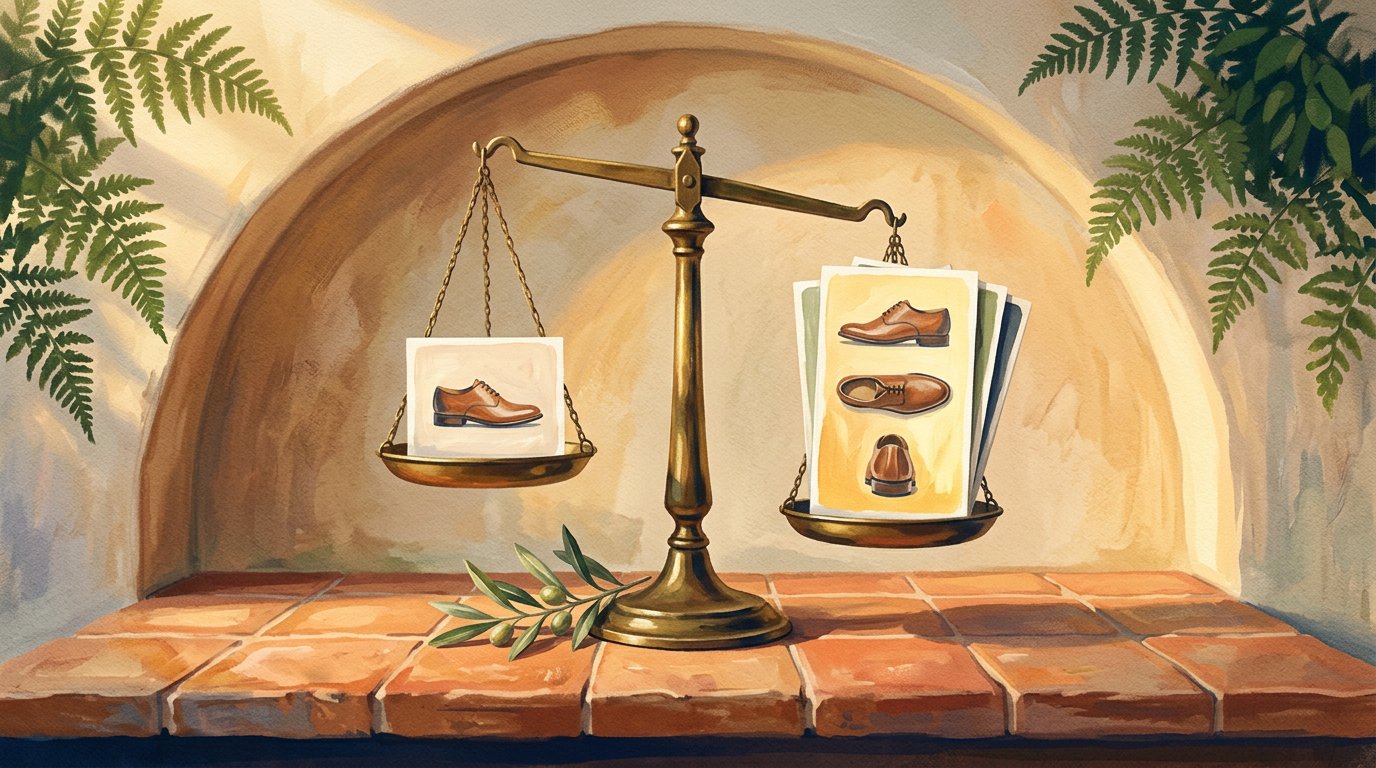
Website vs Marketplace: Where Should Fashion Brands Start?
Should fashion brands start with a website or a marketplace? Explore the pros, cons, and real-world examples to make the right choice.
For fashion brands just getting started online, one of the first big decisions is also one of the most confusing:
Should you launch your own website, or start selling on a marketplace?
On paper, the choice between a website vs marketplace for fashion brands sounds straightforward.
One gives you full control, the other gives you instant reach. In reality, the decision is more nuanced and getting it wrong early can slow growth, drain budgets, or lock brands into platforms that don’t scale with them.
Marketplaces promise speed. They already have traffic, trust, and checkout handled. A website, on the other hand, offers ownership over branding, customer data, and the long-term direction of the business. That’s why many founders struggle to decide where fashion brands should start selling online, especially with limited resources and high expectations.
This article breaks down the real differences between selling on a marketplace versus building your own website without hype, technical overload, or one-size-fits-all advice. We’ll look at how customers behave on each channel, when a hybrid approach makes sense, and how successful fashion brands choose platforms based on stage, not trends.
If you’re building an online fashion business and trying to make a smart, sustainable first move, this comparison will help you decide with clarity not guesswork.
Website vs Marketplace: The core difference
When fashion brands compare a website to a marketplace, the difference usually comes down to one simple question:
Do you want control, or do you want speed?
Having your own website means the store is fully yours. You choose how your products look, how your brand is presented, and how customers move from browsing to buying. Over time, this helps build trust, loyalty, and a clear brand identity which is why many fashion brands see their website as a long-term investment, not just a sales channel.
Marketplaces work differently, they’re designed for convenience. Customers are already there, ready to browse and buy, which makes it easier to get early sales. For new brands, this built-in traffic can be a big advantage. The trade-off is that your products live inside a shared space, where branding options are limited and similar products are always nearby.

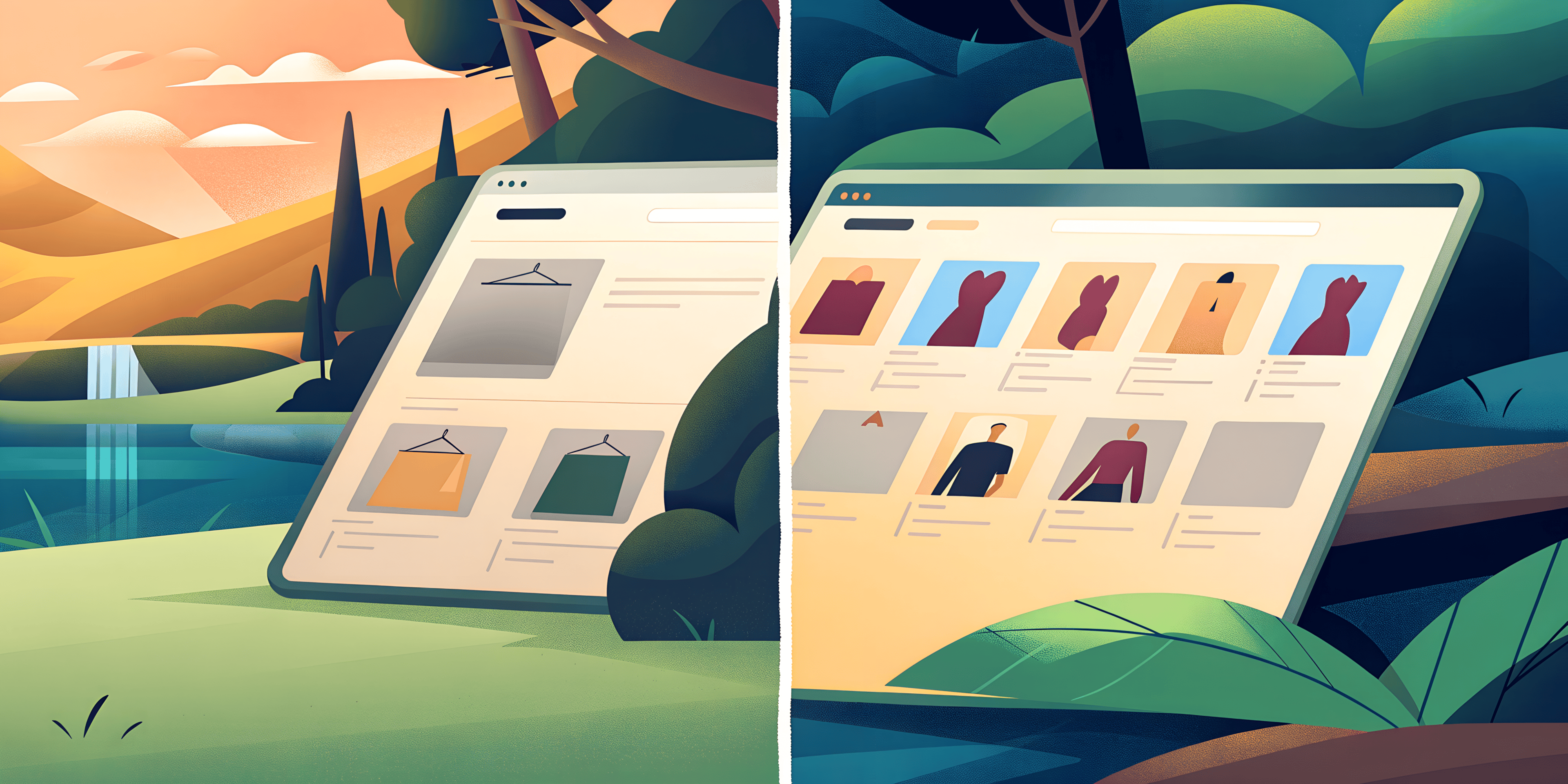
This is why the marketplace vs own website question isn’t about which option is better overall, it’s about what you need right now. Marketplaces are often great for testing demand and reaching new customers quickly, while websites are better for brands that want to tell their story, control the experience, and grow a direct relationship with their audience.
As platforms like Amazon explain in their seller resources, marketplaces are optimized for speed and scale. Websites, on the other hand, grow at your pace but with much more flexibility as your brand evolves.
Understanding this core difference makes the next decision much easier: choosing the channel that matches your brand’s stage, not just its ambition.
Pros and cons at a glance
Once the difference between a website and a marketplace is clear, the next step is looking at the trade-offs side by side. Most fashion brands don’t struggle with the idea of each option, they struggle with what they gain and what they give up.
Having your own website
Pros
A website gives fashion brands full control. You decide how products are displayed, how collections are grouped, and how your brand story is told. Over time, this helps create a consistent look and feel across campaigns, product launches, and marketing channels. It also means you own your customer data, which makes it easier to build loyalty and improve the experience as your brand grows.
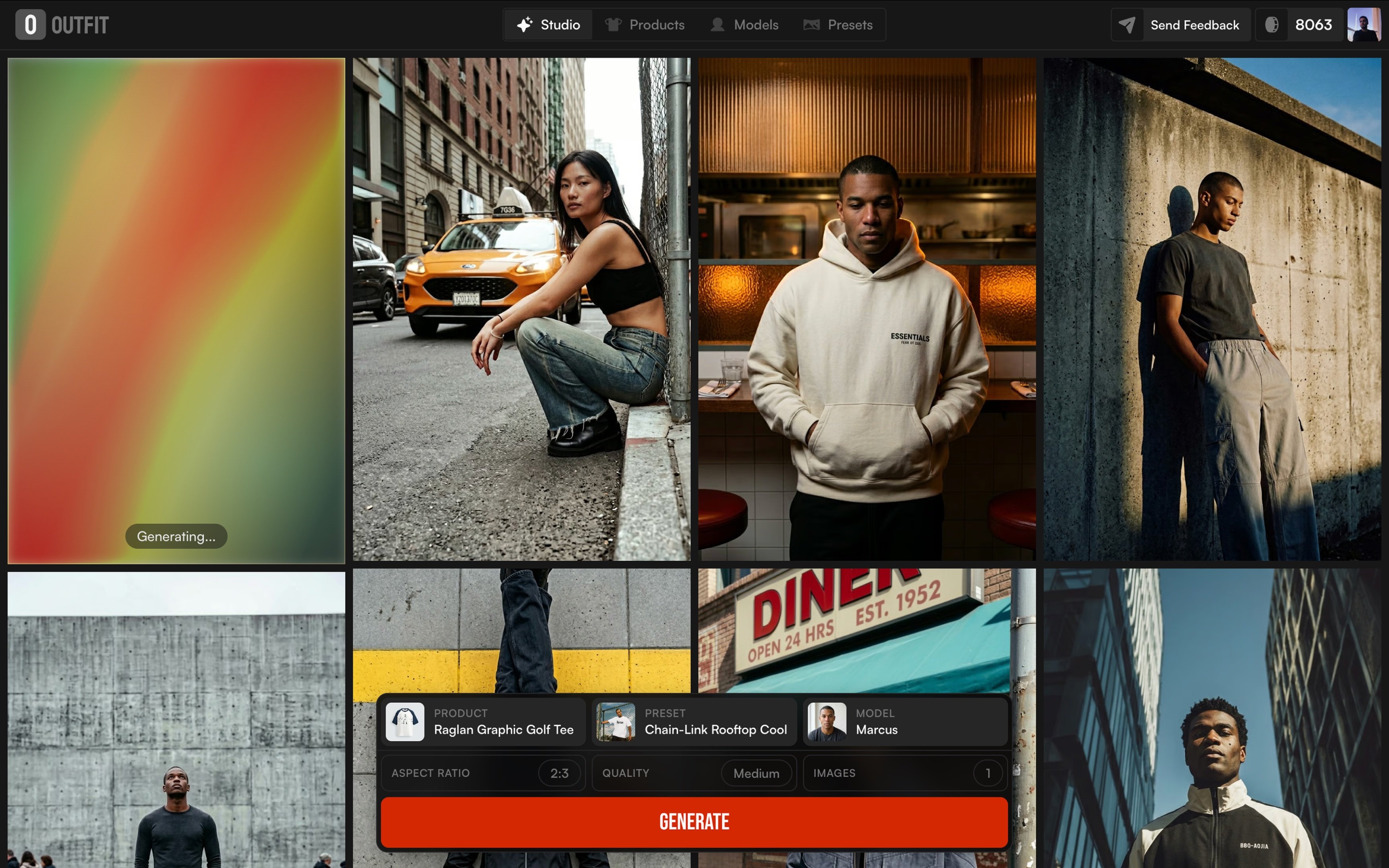
Strong visuals play a big role here, especially for fashion brands that rely on storytelling and presentation to stand out.
Cons
The biggest challenge with a website is visibility. Traffic doesn’t come automatically. Brands need to invest time and budget into marketing, content, and performance optimization. For early-stage brands, this can feel slow compared to the instant exposure marketplaces offer.

Selling on a marketplace
Pros
Marketplaces make it easier to get started. They already have shoppers, trust, and checkout systems in place. For fashion brands testing demand or launching their first products, this can significantly reduce friction and time to first sale.
That’s why many startups choose marketplaces early on, especially when speed matters more than brand depth.
Cons
The downside is limited control. Branding options are restricted, fees eat into margins, and customer relationships often stay with the platform not the brand. Over time, this makes it harder to stand out or move customers into a direct, long-term relationship.
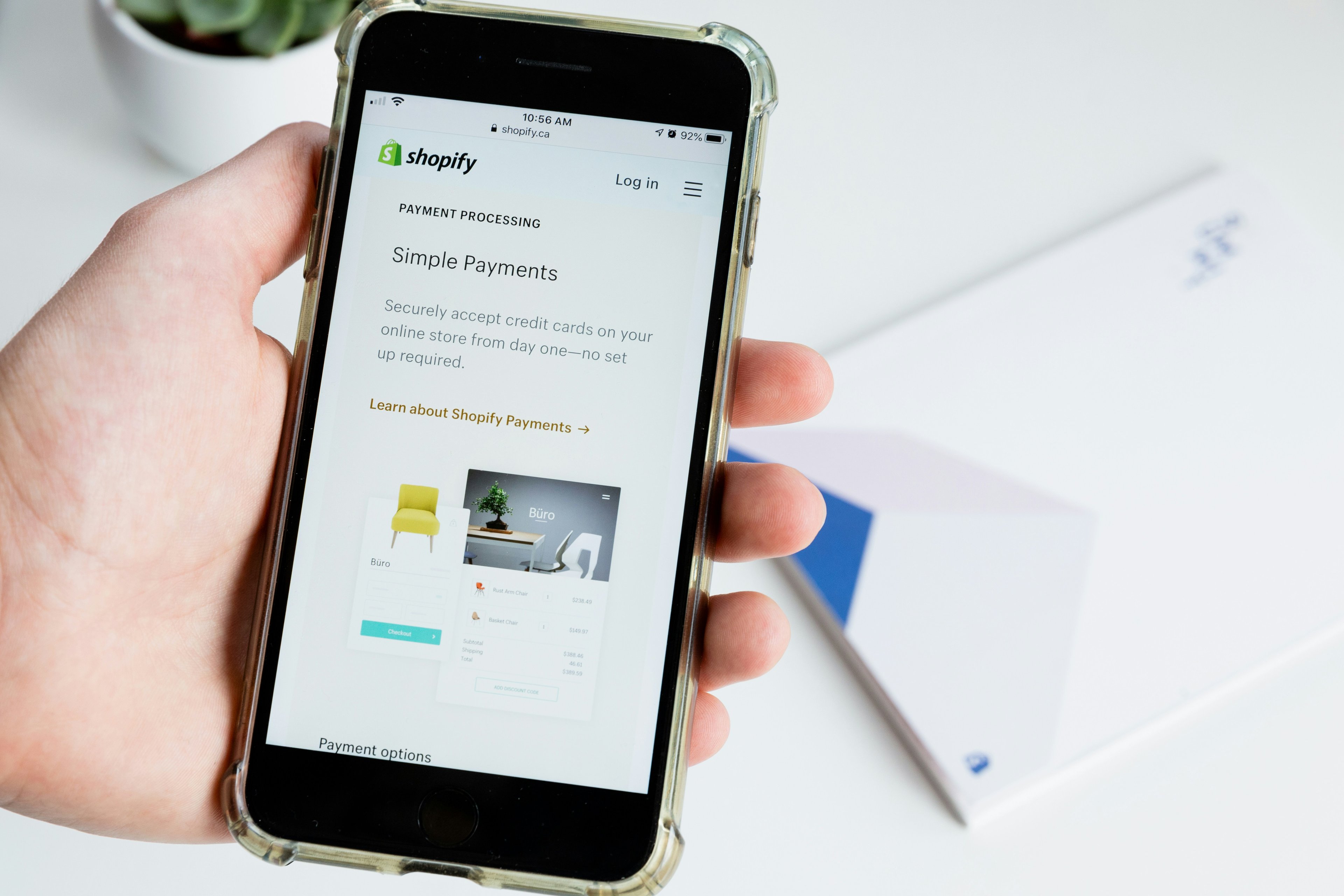
As many ecommerce guides point out, relying too heavily on a single marketplace can also increase risk if rules, fees, or visibility suddenly change.
The Hybrid Approach (When Brands Use Both)
Understanding customer behavior is one of the most overlooked parts of the website vs marketplace for fashion brands decision. People don’t shop the same way on both channels and that difference matters more than most brands expect.
On marketplaces, shopping is usually discovery-driven. Customers arrive ready to browse, compare prices, check reviews, and make quick decisions. They’re often less focused on the brand itself and more focused on convenience, speed, and trust in the platform. This is why marketplaces work well for first-time purchases and impulse buys, especially for new or unfamiliar fashion brands.
Shopping on a website feels different. Customers who land on a brand’s own store are often more intent-driven. They want to explore collections, understand the brand story, and see how products fit into a lifestyle. This environment gives fashion brands more space to differentiate, through visuals, messaging, and a curated experience that’s hard to replicate inside a marketplace.
This contrast in e-commerce customer behavior explains why many brands use marketplaces to attract new shoppers, then rely on their website to build deeper relationships. Over time, websites become the channel where loyalty grows, repeat purchases happen, and brand identity becomes stronger.
Knowing how customers behave on each platform helps fashion brands choose smarter not just where to sell, but how to sell on each channel.
Real world e-commerce and marketplace case studies
Looking at how real fashion brands sell online helps put the website vs marketplace for fashion brands decision into context. Most successful brands didn’t pick one perfect channel, they picked what made sense at the time.
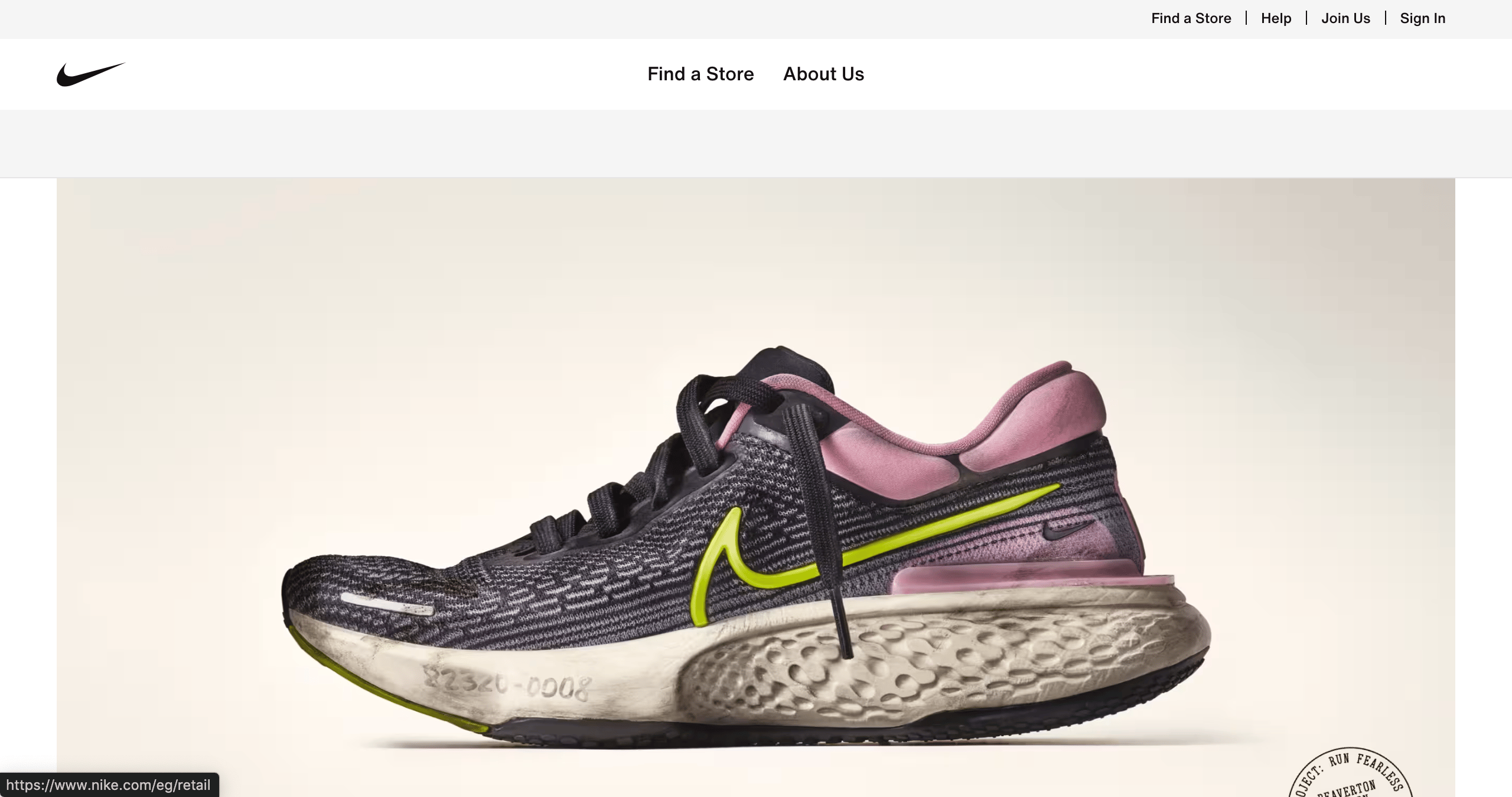
Direct-to-Consumer Focus: Nike
Nike gradually shifted more sales toward its own channels to build stronger customer relationships. By prioritizing its website and apps, the brand gained more control over pricing, storytelling, and data turning its online store into a long-term growth engine rather than just a sales page.
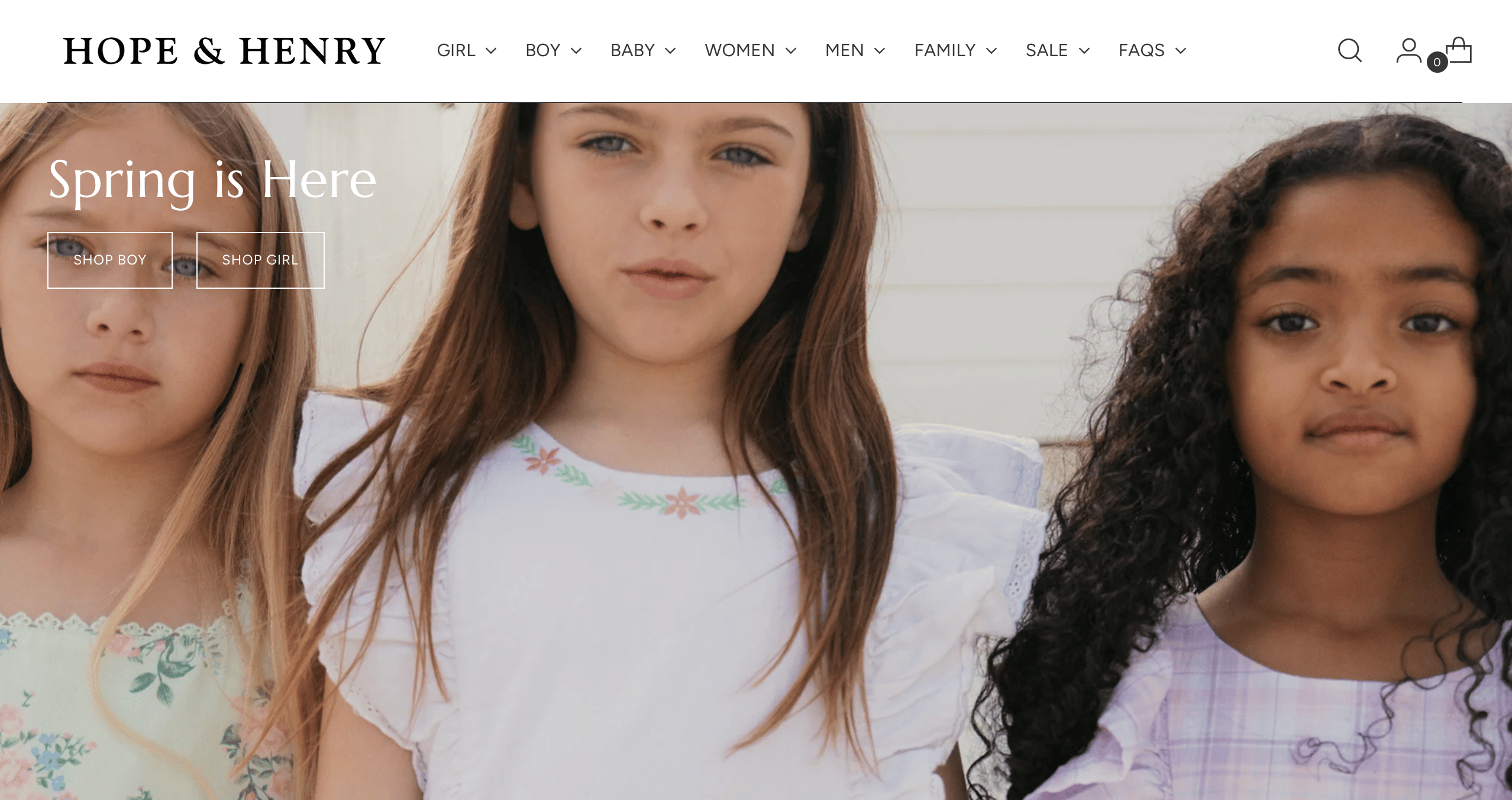
Marketplace-First Growth: Hope & Henry
Hope & Henry took a different path. The brand launched directly on a marketplace to take advantage of existing traffic and fast fulfillment. This approach helped validate demand quickly and reach customers who were already shopping without the upfront effort of building a full website.
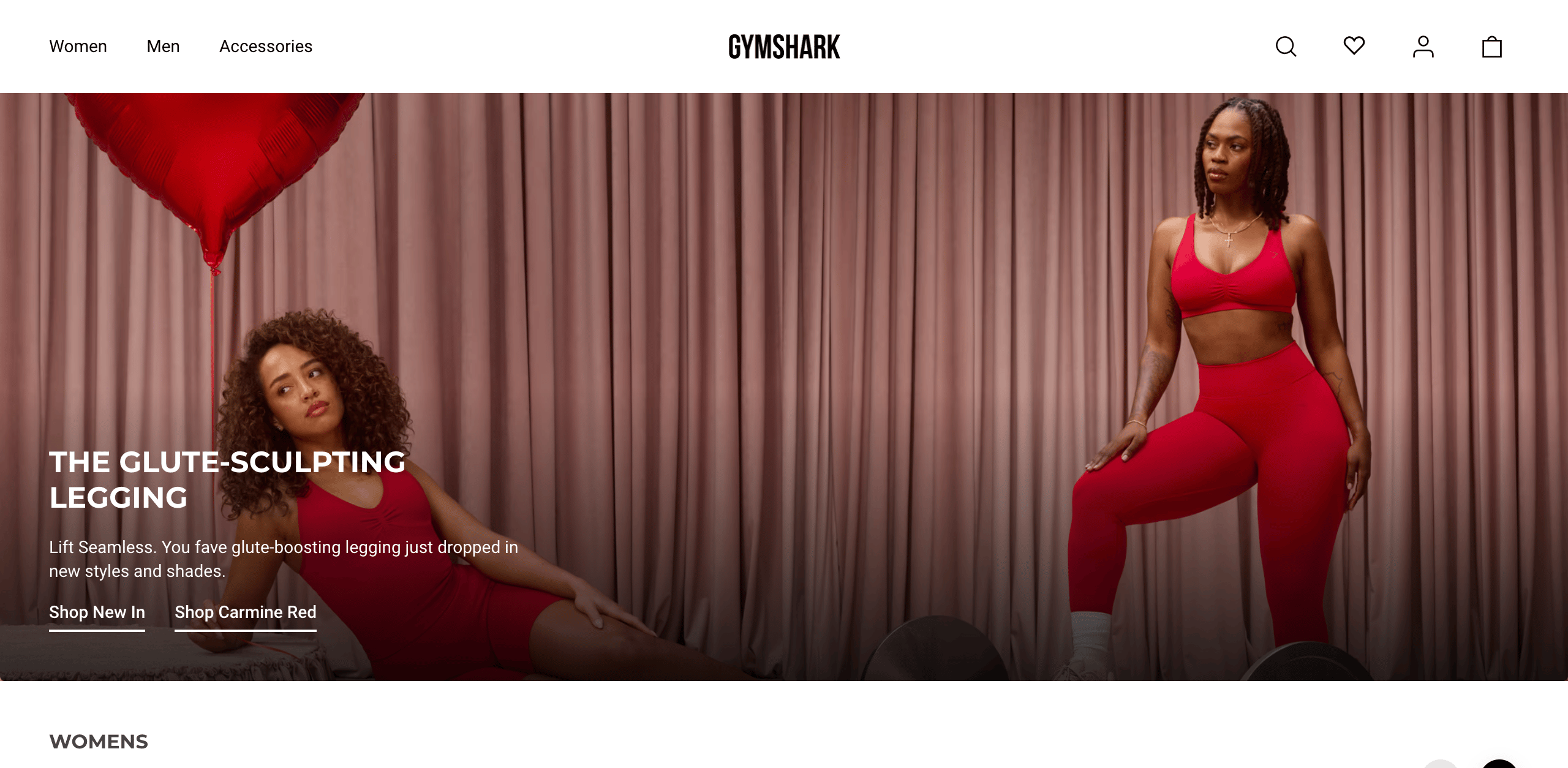
Direct-to-Consumer Scaling: Gymshark
Gymshark focused early on its own website and grew through social media and influencer marketing. By owning the entire customer journey, the brand built a loyal community and scaled into a global direct-to-consumer business.
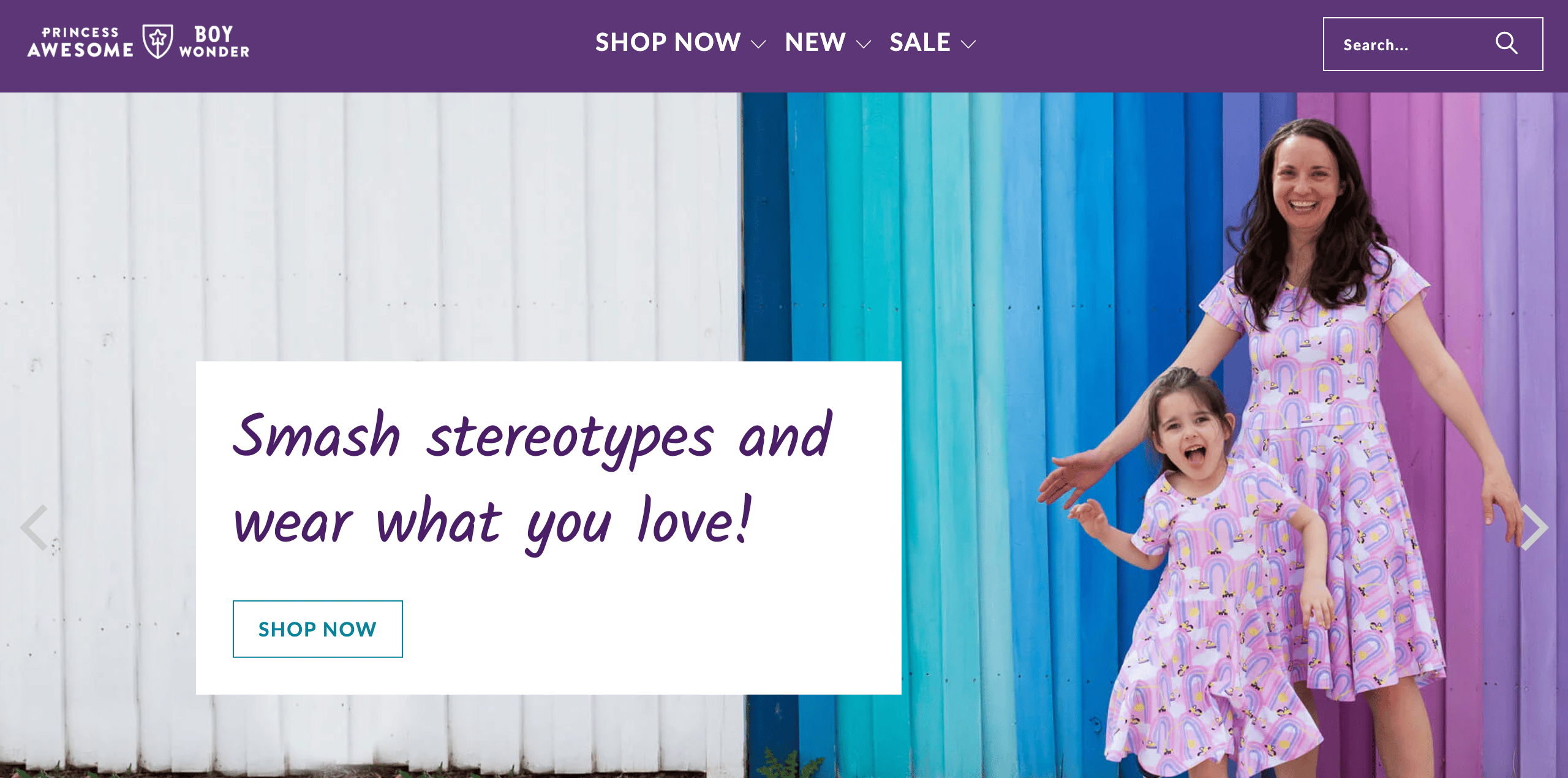
Hybrid Strategy in Action: Princess Awesome
Princess Awesome combines both approaches. Marketplaces help new customers discover the brand, while the website carries the full collection and brand story. This balance allows them to grow visibility without losing their identity.
These examples show one thing clearly: the right channel depends on the brand’s stage, goals, and resources. Speed, control, and flexibility rarely come from the same place but smart brands learn how to combine them over time.
So, Where Should Fashion Brands Start?
After comparing a website vs marketplace for fashion brands, the right starting point usually comes down to timing, not preference.
If the main goal is speed, getting products in front of customers quickly and validating demand, marketplaces can be a smart first step. They reduce setup time, offer built-in traffic, and make it easier for early-stage fashion brands to start selling online with fewer barriers.
If the goal is building a brand that lasts, a website becomes more important. It gives fashion brands control over how products are presented, how stories are told, and how relationships with customers grow over time. This is often when brands begin to understand why websites matter for fashion brands, especially when loyalty, repeat purchases, and brand identity become priorities.
For many businesses, the most practical path sits in between. Starting on a marketplace doesn’t mean staying there forever, and launching a website doesn’t mean ignoring other channels. As brands grow, combining both approaches can create a healthier balance between reach and control.
The takeaway is simple: there’s no single best platform only the best starting point for your brand’s current stage, resources, and goals.
Final Thoughts
Choosing between a website and a marketplace isn’t a one-time decision, it’s a process that evolves as the brand grows. What works at launch may not be what works a year later, and that’s completely normal in online fashion.
Marketplaces can help brands move fast, test demand, and reach customers who are already in buying mode.
Websites, on the other hand, give fashion brands space to stand out, tell their story, and build direct relationships that last beyond a single purchase. Understanding the website vs marketplace for fashion brands trade-off makes it easier to use each channel with intention, not guesswork.
The strongest fashion brands don’t rush the choice. They start where learning is fastest, then adjust as their goals, resources, and audience change. Whether the first step is a marketplace, a website, or a mix of both, clarity about why you’re choosing that path matters more than the platform itself.
In the end, success comes from aligning your selling channels with your brand’s stage and being flexible enough to evolve when the time is right.