5 Packaging Mistakes That Make Products Look Cheap
From low-quality materials to oversized boxes, explore the top packaging design mistakes that reduce perceived value and damage trust.
Packaging does more than protect a product. It shapes perception.
Before someone reads your product description or checks reviews, they form an opinion based on what they see. And small packaging design mistakes can instantly make a product feel cheap even if the quality inside is excellent.
This isn’t just opinion. Studies in consumer psychology show that visual cues like color, material, and structure strongly influence perceived value and purchase decisions.
In e-commerce, the effect is even stronger. Customers can’t touch or test the product. They rely entirely on packaging appearance in photos and listings. According to research by the Nielsen Norman Group on ecommerce product pages, users make quick judgments based on visual presentation before reading details.
That means your packaging isn’t just a protective layer. It’s part of your branding, pricing strategy, and trust-building process.
Many product packaging mistakes don’t happen because brands lack vision. They happen because small details, materials, proportions, labeling clarity, sustainability choices, get overlooked.
Let’s look at five common packaging mistakes that quietly damage brand perception and how to avoid them.
1- Low quality packaging materials
One of the most common packaging design mistakes is using materials that don’t match the value of the product.
Thin cardboard, weak plastic, or poor printing can instantly make a product look low-end. Even before customers try it, they judge quality based on what they see and feel.
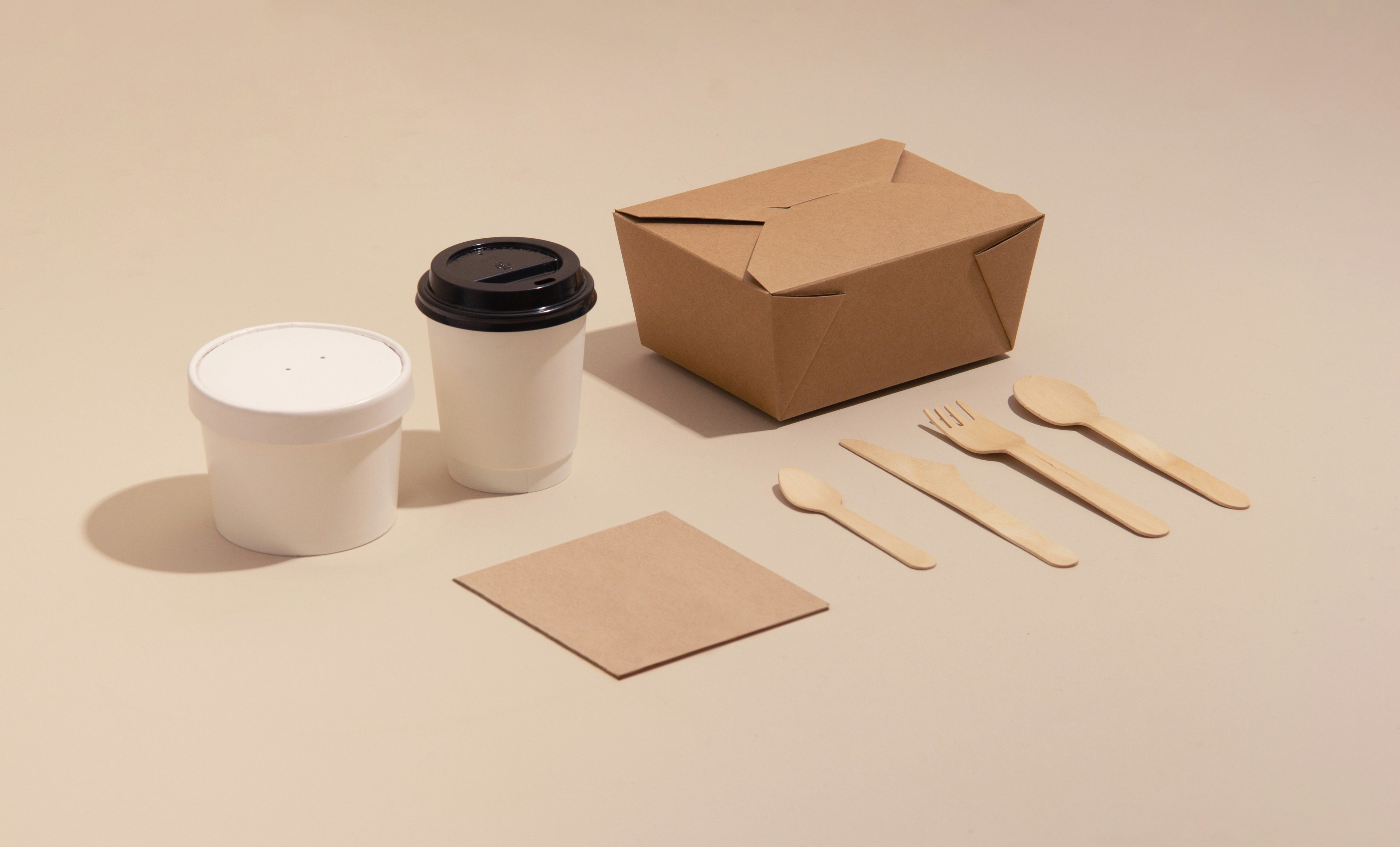
Research in sensory marketing shows that touch and material texture influence how people perceive quality and value.
Sometimes the issue isn’t just cheap materials, it’s the wrong material. Premium products packaged in flimsy boxes or shiny plastic mailers create a mismatch that lowers perceived value.
If the packaging feels cheap, the product feels cheap.
2- Wrong size and wasteful packaging
Using the wrong box size is another common packaging design mistake.
When a small product arrives in a large box with lots of empty space, it looks careless and cheap. Customers may feel the brand didn’t pay attention to detail.

Oversized packaging also adds waste and today’s shoppers notice that. Research shows people prefer smarter, more efficient packaging that feels intentional.
Simple changes like right-sizing your box and reducing empty space make your product look more thoughtful and higher quality.
3- Poor product protection
Another serious packaging design mistake is failing to properly protect the product.
If a customer receives a dented box, scratched bottle, or broken seal, the perceived value drops immediately even if the product still works.
Packaging isn’t just about looks. It must protect during shipping, storage, and handling. Poor internal support, weak inserts, or loose items inside the box all increase the risk of damage.
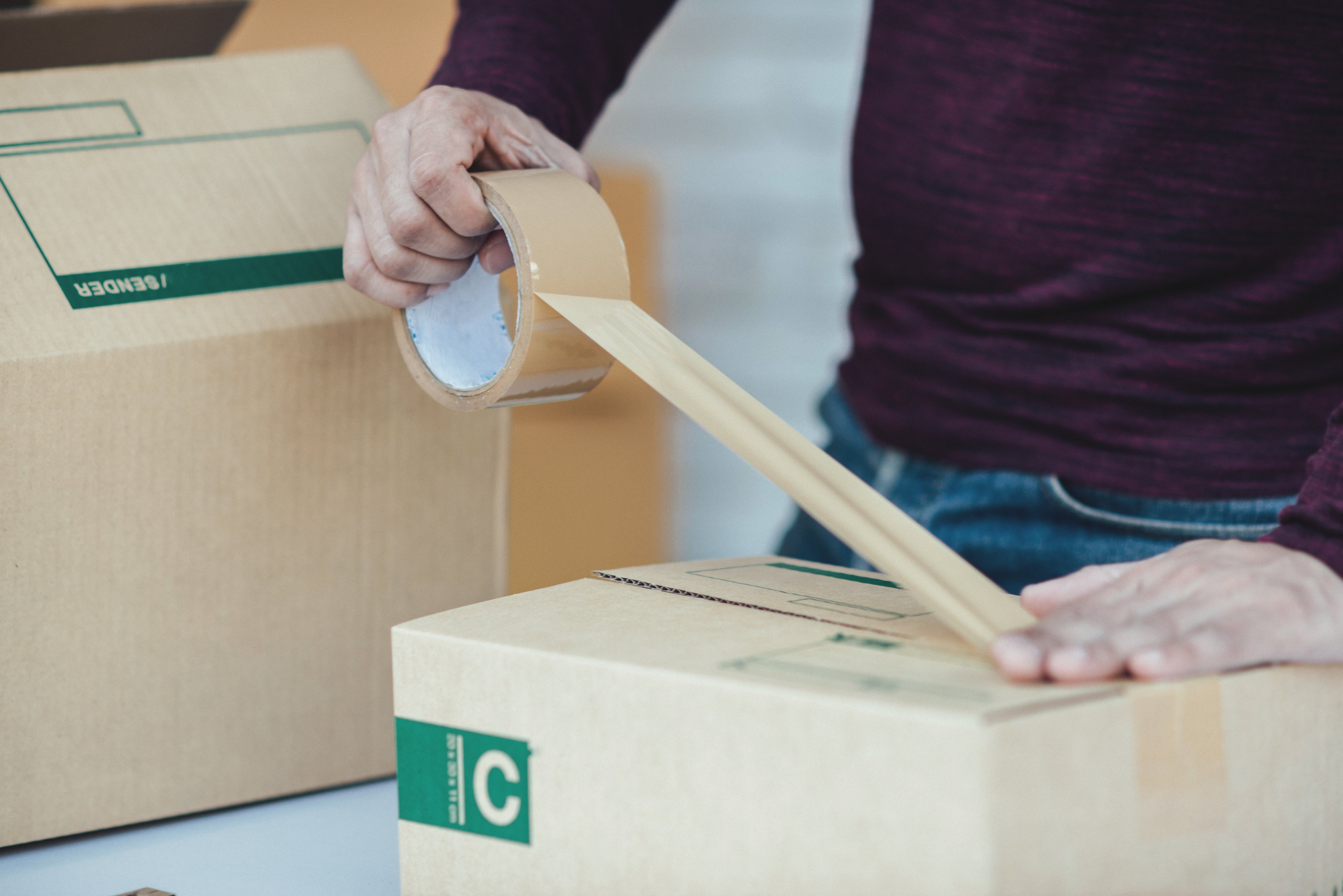
Damage leads to returns. Returns lead to lost trust. And lost trust is far more expensive than adding proper protection from the start.
If the product arrives damaged, the brand looks careless, no matter how good the marketing was.
4- Confusing messaging and poor labeling
Even well-made packaging can look cheap if the design is confusing.
Too many fonts, crowded text, weak contrast, or missing key information are common packaging design mistakes that reduce trust. When customers can’t quickly understand what the product is or what it does, they hesitate.
Research in visual communication shows that clarity improves perceived professionalism and usability.
Clear labeling isn’t just about design, it’s also about compliance. Many markets require specific product information on packaging, including ingredients, safety instructions, or origin labeling.
Ignoring labeling rules can lead to rejected shipments, penalties, or retailer pushback.
And from a branding perspective, consistency matters. If your typography, tone, and layout don’t match your overall identity, the packaging feels unpolished.
Simple packaging communicates confidence. overdesigned packaging often signals inexperience.
If customers have to figure out your product, they’re less likely to trust it.
5- Ignoring sustainability and usability
Another common packaging design mistake is ignoring how packaging affects the environment and the user experience.
Today’s customers pay attention to sustainability. Excess plastic, unnecessary layers, or non-recyclable materials can make a product feel outdated or careless.
According to research by Nielsen, many consumers say they prefer brands that are environmentally responsible.
Sustainability also affects perception. Minimal, right-sized, recyclable packaging often looks more modern and premium.
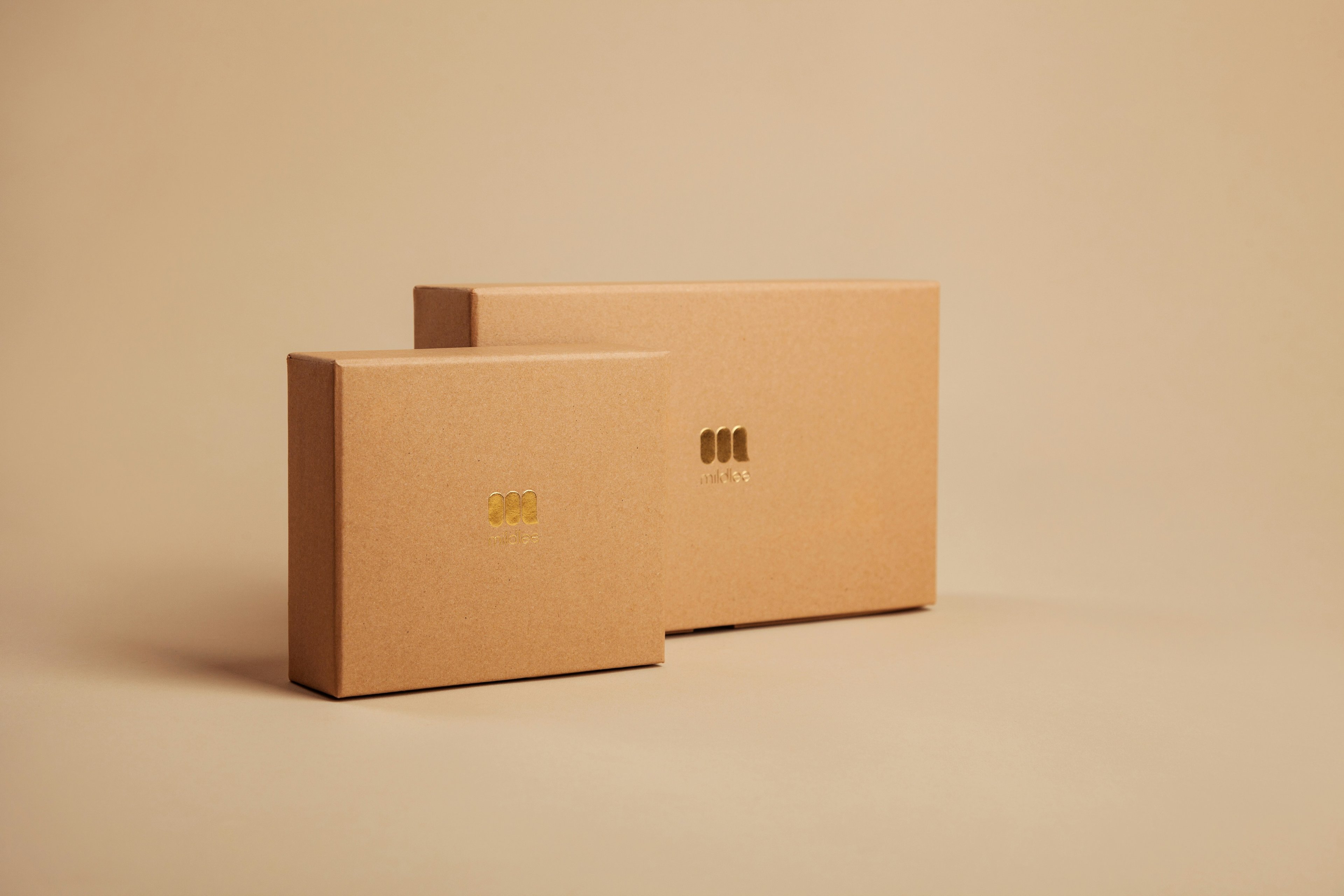
Usability matters just as much. If a package is hard to open, difficult to reseal, or requires too much effort, it creates frustration instead of excitement.
Packaging should protect, communicate clearly, and be easy to use.
When brands ignore sustainability and usability, the product doesn’t just look cheap, it feels careless.
When good packaging still looks cheap online
Here’s something many brands overlook: even well-designed packaging can look cheap in photos.
Lighting can flatten textures. Glossy surfaces may reflect too much. Thin materials can appear weaker than they are. And oversized boxes can look even more disproportionate on product pages.
In e-commerce, perception is shaped by visuals first. According to the UX Guidelines for Ecommerce Product Pages by Nielsen Norman Group, users often scan images before reading details.
That means your packaging doesn’t just need to be good, it needs to photograph well.
Strong presentation, balanced lighting, and realistic product context can significantly improve perceived value. Many brands now refine how their packaging appears in images instead of immediately redesigning the box itself.
If your product looks premium in hand but average online, the issue may not be the packaging, it may be the presentation.