How to Choose the Right Model for Your Brand Identity
Master the art of selecting models that reflect your brand identity. Learn key elements, brand identity models, and tips with Outfit for flawless photoshoots.
Choosing the right model for your brand is more than a casting decision, it’s a brand identity decision. The people you show wearing your products instantly communicate who your brand is, what it stands for, and who it’s meant for. Before a customer reads a single word, your visuals have already shaped their perception.
In fashion and e‑commerce, consistency matters. Using the wrong type of model can make a brand feel confusing or disconnected, while the right model builds trust, recognition, and emotional connection. That’s why successful brands don’t just pick models based on looks, they choose models that align with their values, audience, and visual language.
In this guide, we’ll break down how to choose the right model for your brand identity, explore different brand identity models, and show how modern tools like Outfit help brands create consistent, professional visuals faster than ever.
What is brand identity and why it matters
Brand identity is the overall impression your brand creates in people’s minds. It’s not just your logo or color palette, it’s the personality, values, and emotions your brand communicates through every visual and interaction. In fashion, brand identity is often understood before it’s explained. Customers feel it instantly.
Your choice of models plays a major role in shaping that perception. The faces, body language, and styling you show tell your audience who your brand is for and what it represents. A mismatch between your visuals and your message can weaken trust, while strong alignment builds recognition and loyalty over time. This is why creating a consistent visual language is essential for growing fashion brands.
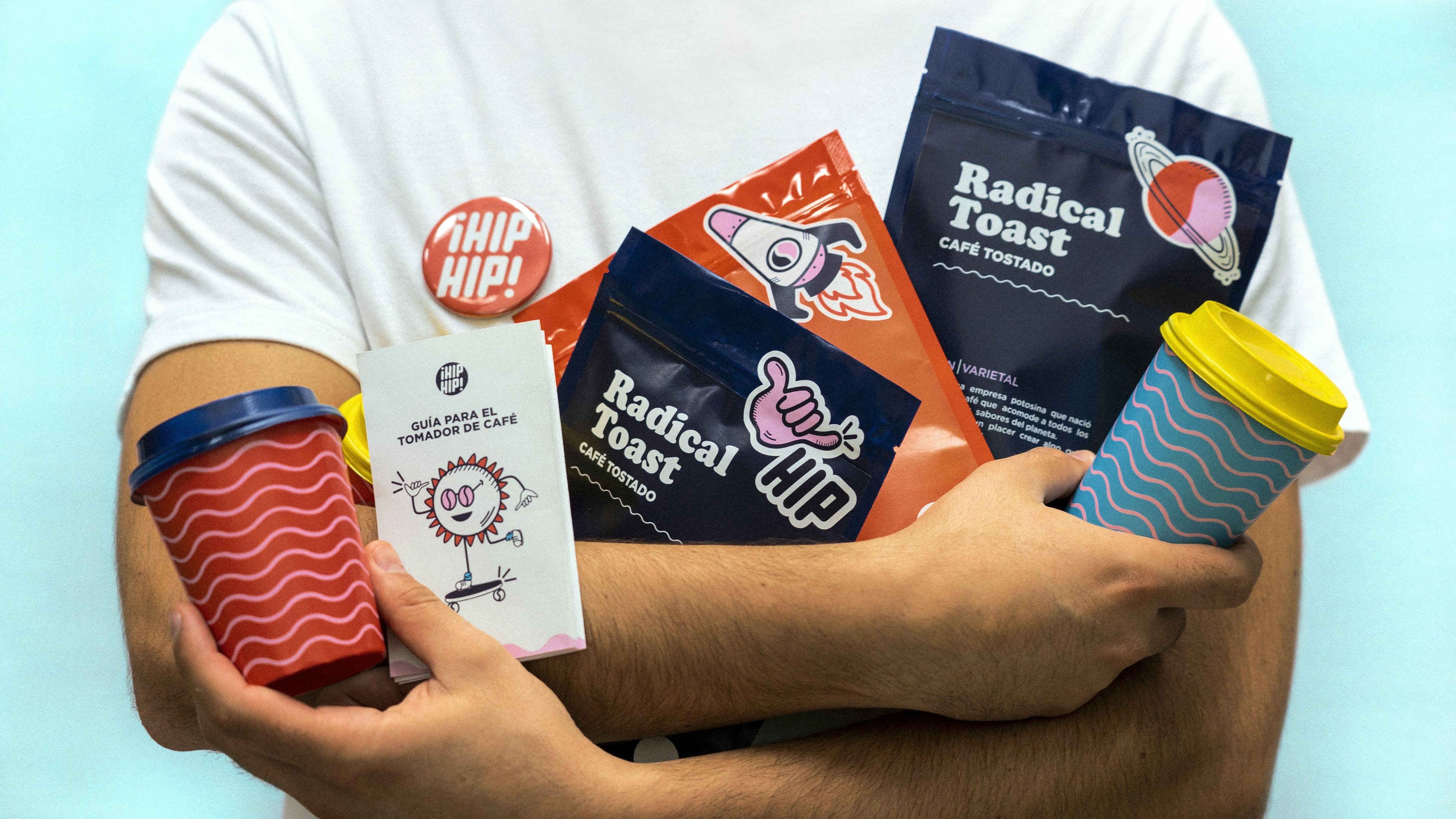
Many successful brands focus on building a clear visual system across campaigns, product shots, and social content. If you’re still defining how your visuals should look and feel, this guide on creating a consistent visual language for your brand offers a helpful foundation.
From a strategic perspective, brand identity helps you stand out in crowded markets, justify premium pricing, and connect emotionally with your audience. According to branding experts at HubSpot, strong brand identity improves brand recall and makes marketing more effective across all channels.
In short, brand identity isn’t optional, it’s the filter through which every creative decision, including model selection, should be made.
What is a brand identity model?
A brand identity model is a structured way to understand and define your brand’s visual and emotional language. It helps you make consistent decisions about how your brand appears to the world, from logo and colors to typography and photography style. Essentially, it’s a roadmap for all your brand visuals.
When it comes to model selection, a brand identity model guides you to choose faces, looks, and attitudes that align with your brand’s values and target audience. For example, a luxury fashion brand might select professional models with polished styling, while a streetwear brand might favor authentic, real-life models to reflect its community-driven ethos.
Using a model within this framework ensures every photoshoot, social media post, and campaign communicates the same story. For inspiration on how AI tools can help translate your brand identity into visuals, check out this guide on the 5 best AI fashion model tools for 2026.

Key elements of a brand identity model
A strong brand identity model consists of several key elements that guide every creative decision. These include:
Brand Values: The core principles and beliefs that define your brand. They inform not just messaging but also the type of models and visuals you use.
Target Audience: Understanding who you’re speaking to ensures your models resonate with your ideal customer.
Tone & Personality: Whether your brand is playful, luxury, edgy, or minimal, your visuals need to match this voice.
Visual Style: Colors, photography, styling, and overall aesthetics that create recognition and consistency.
Model Representation: The look, attitude, diversity, and style of your models should reflect all the above elements.
By keeping these elements in mind, brands can maintain consistency and clarity across every photoshoot, social media post, and campaign. For a deep dive into defining brand identity elements, HubSpot provides an excellent resource on key brand identity components.
5 brand identity models you can use
There are several brand identity models that can guide your creative and casting decisions. Understanding which model fits your brand ensures you select the right types of models and visuals for your campaigns:
The Luxury Brand Model: Focuses on high-end aesthetics, polished professional models, and aspirational visuals. Perfect for brands emphasizing elegance and premium quality.
The Authentic / Community-Driven Brand: Uses real people or relatable faces to build trust and a sense of community. Ideal for brands that value inclusivity and authenticity.
The Trendy / Youth-Oriented Brand: Highlights current trends and energetic personalities. Influencers or social media stars often resonate with this audience.
The Professional / Corporate Brand: Emphasizes competence, reliability, and professionalism. Models often have a polished, business-appropriate look.
The Creative / Experimental Brand: Pushes boundaries with bold visuals, artistic models, and unconventional styling to showcase innovation.

Each model choice should align with your overall brand identity to create consistent messaging. For more on luxury brand strategies, refer to this guide from Forbes on luxury brand marketing.
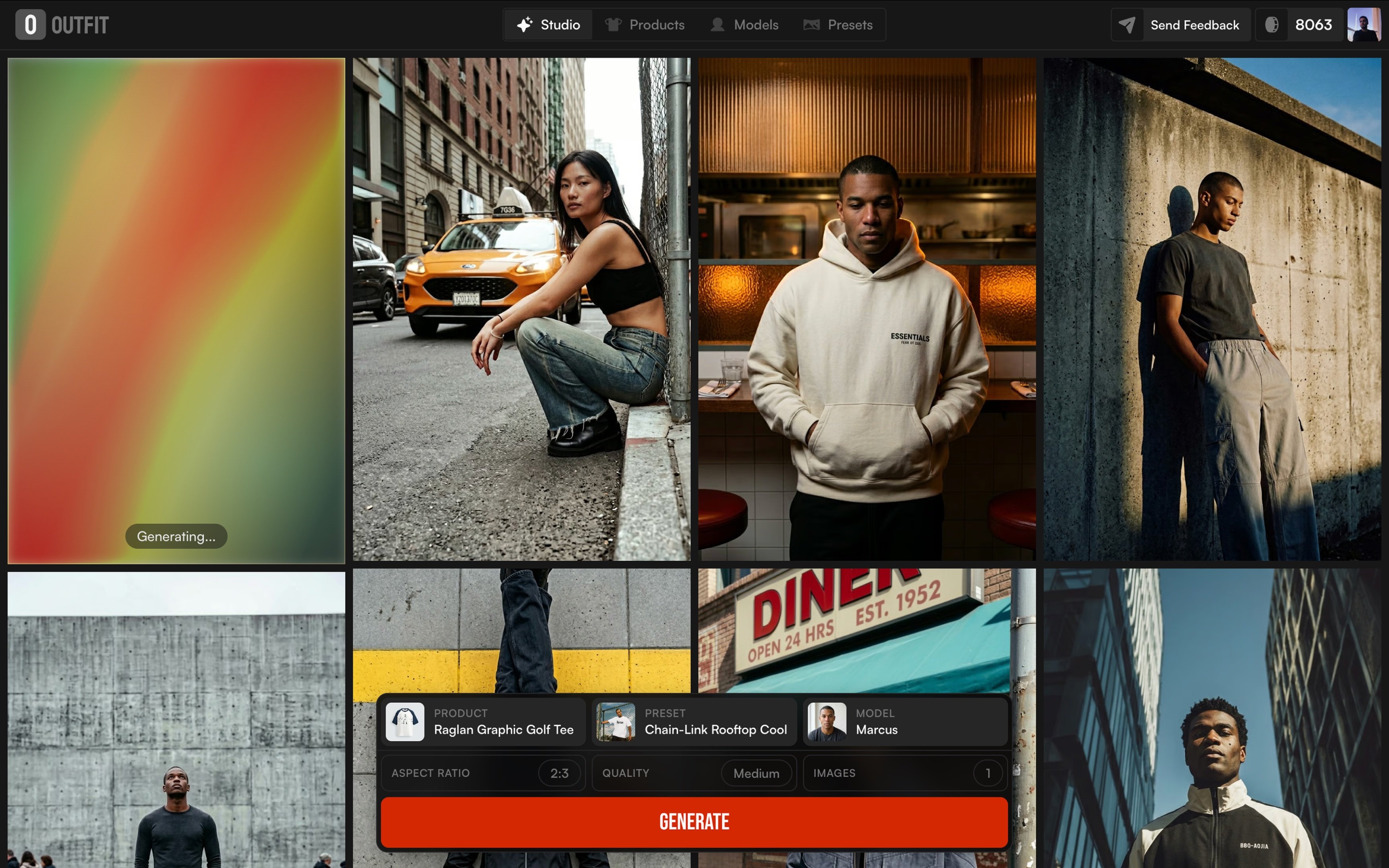
Outfit allows brands to experiment with different AI-generated models and visual styles without the cost and time of traditional photoshoots, making it easier to see which approach resonates best.
How to choose models that reflect your brand
Selecting models for your brand is about more than just appearances, it’s about choosing people who embody your brand’s values and connect with your audience. Here are practical tips to guide your decisions:
Align with Brand Values: Pick models whose personality, look, and attitude resonate with your brand identity. If authenticity is key, real people or community influencers can be ideal.
Define Brand Identity First: Have a clear understanding of your brand’s tone, values, and audience before searching for models. This ensures all model choices are intentional and cohesive.
Set Clear Criteria: Consider aspects like look, attitude, experience, and budget. A clear set of standards helps maintain consistency across campaigns.
Use Different Model Types Strategically: Professional models bring polish, influencers extend reach, and real people convey authenticity.
Where to Find Models: Agencies, social media, casting calls, and AI tools provide diverse options. For fashion brands experimenting with AI, Outfit allows you to visualize different model styles and looks before investing in full photoshoots.
Test and Build Relationships: Always cast or interview before committing, and aim for long-term collaborations to keep your visual language consistent.

Casting & Selection best practices
Once you have a list of potential models, it’s crucial to follow best practices to ensure the right fit for your brand:
Cast or Interview Before Committing: Never rely solely on photos or online profiles. Schedule casting sessions or interviews to observe personality, attitude, and how models carry themselves on camera.
Test Shoots: Run small test shoots to see how models translate your brand’s visual language. This reduces risk and ensures alignment. For detailed, professional tips on casting and selecting models effectively, check out this model casting guide with top strategies professionals swear by.
Align Personality with Brand Tone: Make sure the model’s energy and demeanor match your brand’s personality, whether it’s playful, professional, or avant-garde.
Long-Term Relationships: Building ongoing relationships with models helps maintain consistency across campaigns and strengthens brand recognition.
Leverage AI Tools: Platforms like outfit allow brands to experiment with different model looks and styles before committing to full photoshoots, saving both time and resources.
Building long-term model relationships
Maintaining long-term relationships with models is crucial for ensuring brand consistency and strengthening recognition over time. Here’s how to approach it:
Consistency Across Campaigns: Using familiar models in multiple campaigns helps create a cohesive visual identity that customers recognize instantly.
Invest in Relationships: Treat models as partners rather than one-time hires. Understanding their strengths and comfort zones allows for more authentic and engaging visuals.
Streamline Workflow: Long-term collaborations make planning, test shoots, and photoshoots more efficient, saving both time and resources.
Use AI Tools to Experiment: Platforms like Outfit let brands test different looks and styles with recurring models, ensuring continuity while exploring new ideas.
Key Takeaways
Choosing the right models is essential for communicating your brand identity effectively. By carefully defining your brand values, understanding your audience, and selecting models that reflect both, you create a consistent and recognizable visual presence.
Key points to remember:
Clearly define your brand identity before choosing models.
Use different types of models strategically: professionals for polish, influencers for reach, real people for authenticity.
Follow best practices during casting, testing, and interviews to ensure alignment.
Build long-term relationships with models to maintain consistency across campaigns.
Leverage modern AI tools like outfit to experiment with looks and styles quickly and efficiently.
By applying these strategies, brands can create cohesive, engaging, and memorable visual campaigns that resonate with their audience. Ready to bring your brand vision to life? Explore outfit to start designing professional photoshoots in seconds.