The 5 Best AI Fashion Model Tools for 2026
Explore the best AI fashion model tools for 2026 and learn how fashion brands create on-model visuals faster and at scale
In fashion, the model makes the product feel real.
People don’t just look at clothes online. They imagine how those clothes would look on them. That’s why on-model images usually work better than flat photos or basic mockups.
The problem is that creating good on-model content takes time and money. Traditional photoshoots need models, photographers, and studios. Doing this again and again isn’t realistic for most brands.
That’s where AI fashion model tools come in. Instead of planning shoots, brands can now create on-model visuals from a single product image. Tools like full AI fashion photoshoots make this possible without the usual setup.
Many brands are already creating fashion content with AI to move faster and keep their visuals consistent across websites, ads, and social media.
In 2026, this approach is becoming the normal way fashion brands create content. In this guide, we’ll go through the 5 best AI fashion model tools for 2026 and compare how each one helps brands create better fashion visuals.
Why models matter and why they’re hard to scale?
In fashion, the model does more than show the product.
It shows how the brand wants to be seen.
The right model helps customers understand the fit, the mood, and the style behind the piece. It answers questions before they’re even asked: Who is this for? How does it look in real life? Does this feel like my style?But getting this right at scale is hard.
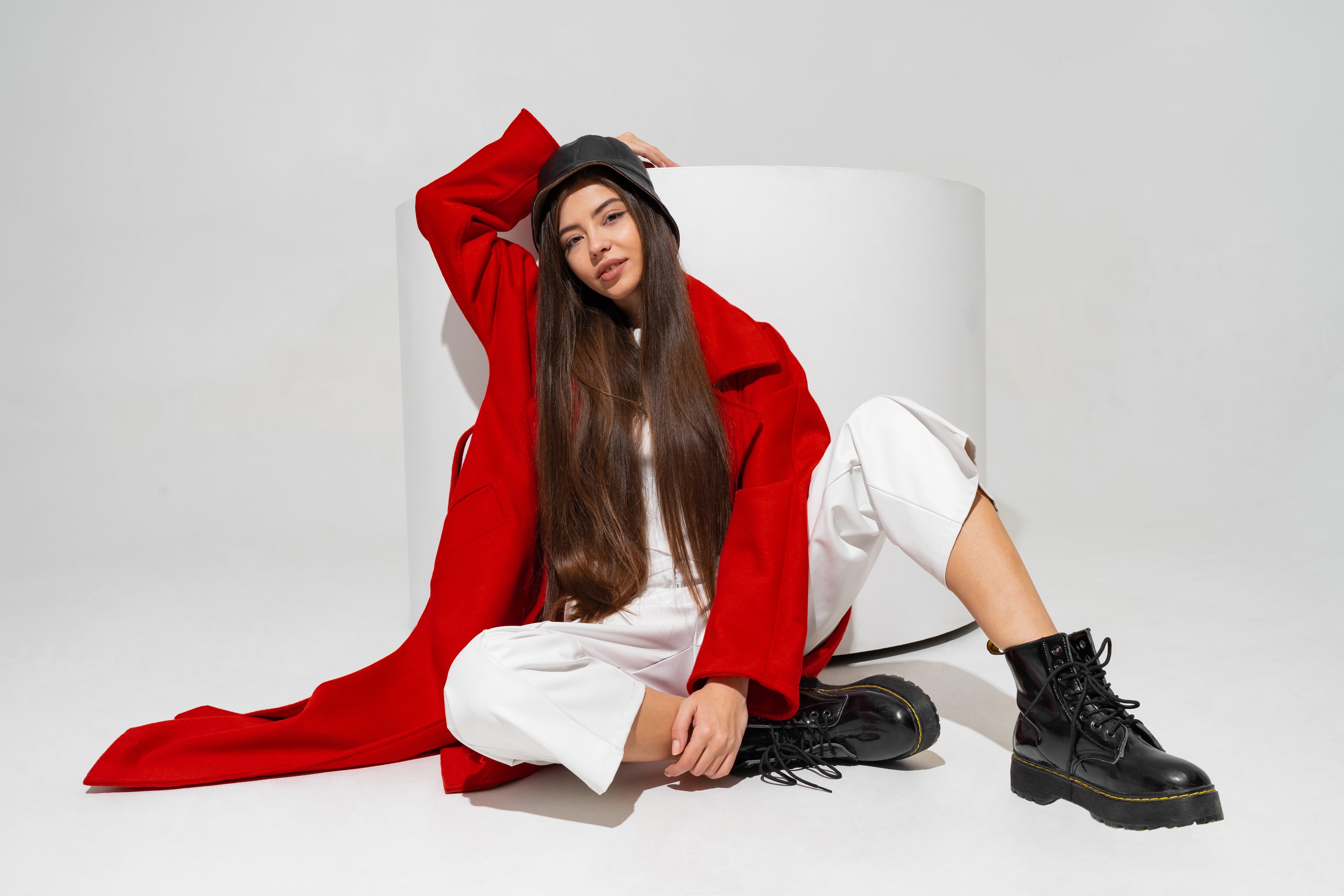
Traditional models are expensive. Booking talent, shooting multiple looks, and editing everything adds up quickly. On top of that, it’s difficult to keep the same model across different campaigns, drops, or seasons. One shoot rarely covers everything a brand needs.
That’s why many brands struggle to stay visually consistent. They either reuse old images for too long or rush new shoots that don’t fully match their brand identity.
AI fashion models remove a lot of this pressure. Instead of depending on availability, budgets, and long timelines, brands can create on-model visuals when they need them and keep the same look across products and campaigns.
This shift is why more teams are moving away from traditional shoots and exploring AI fashion photoshoots instead of traditional photoshoots as a practical alternative.
What AI fashion model tools actually do
AI fashion model tools are not just about adding a face to a product.
They help brands create on-model visuals without going through a full production process. From one product image, you can show how a piece looks when worn, how it fits the body, and how it feels in a real setting. This makes it easier to launch new products, test styles, and update visuals more often.
Some tools focus only on placing clothes on a model. Others go further and help brands create full photoshoot-style images that are ready to use on websites, ads, and social media. This difference matters, especially when content needs to scale.
That’s why choosing the right tool isn’t about features alone. It’s about how much control you get, how consistent the results are, and how well the visuals match your brand. Platforms like Outfit focus on creating complete fashion photoshoots, not just single images, which makes them easier to use across different channels.
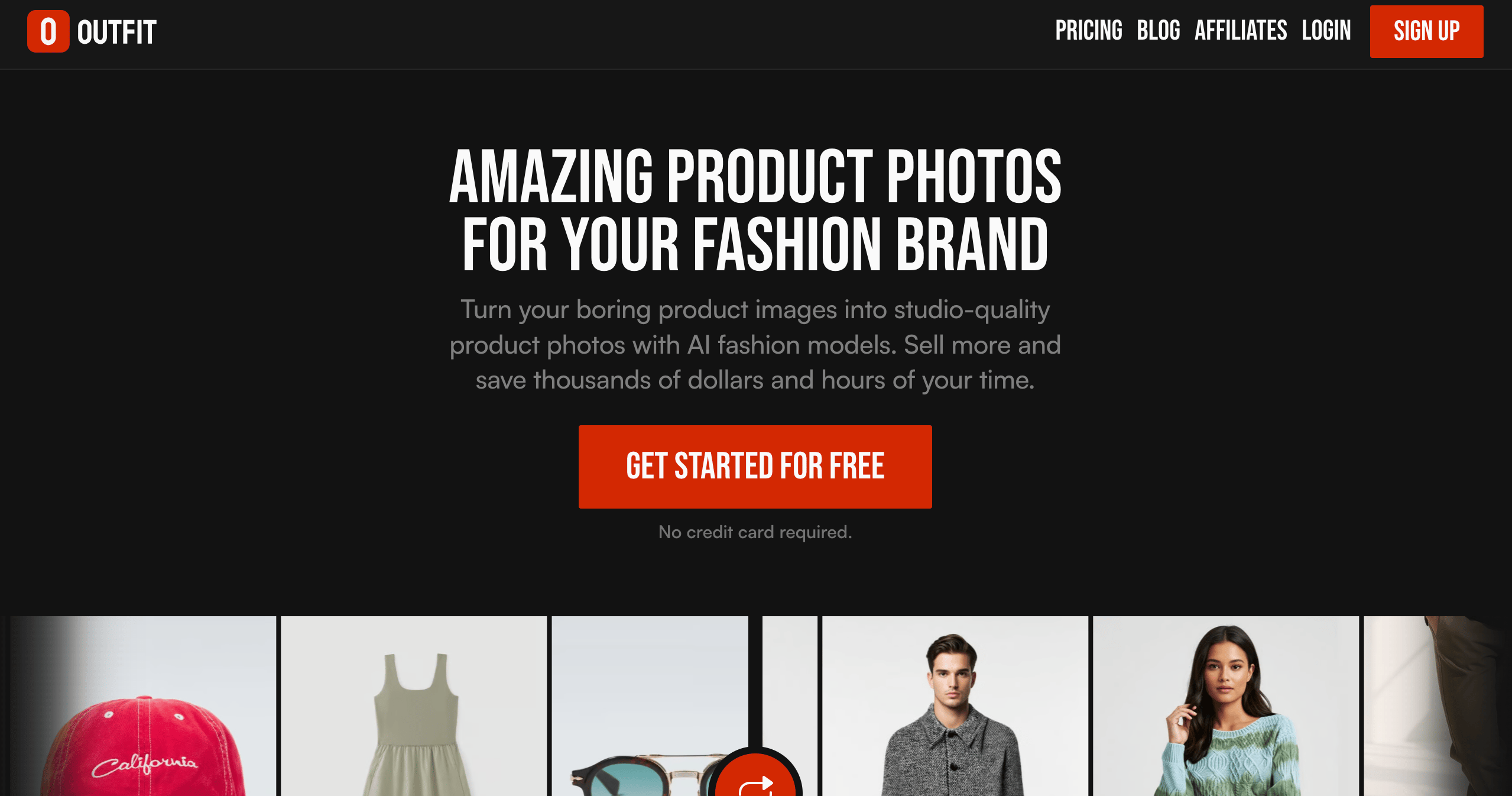
Now, let’s look at the 5 best AI fashion model tools for 2026, starting with Outfit.
The 5 best AI fashion model tools for 2026
1. Outfit
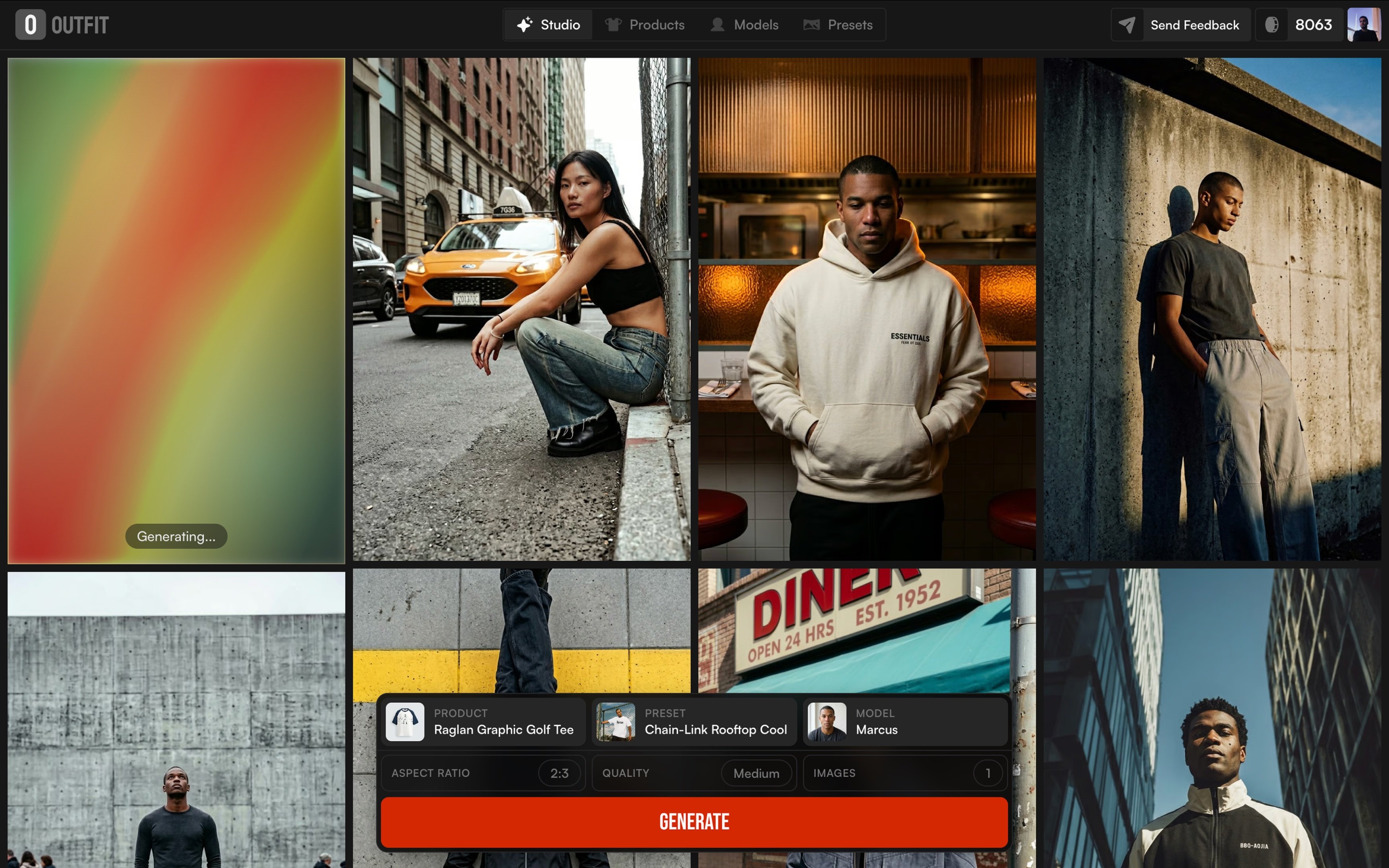
Outfit is built for one clear goal: turn a single product image into a full fashion photoshoot.
Instead of just placing clothes on a model, Outfit gives brands control over the entire look, the model, the style, the mood, and the direction. This makes the visuals feel consistent and on-brand.
With Outfit, brands can generate multiple on-model images and angles from one upload, without planning shoots or booking talent. This makes it easier to create content for product pages, ads, and social media at scale.
Best for: brands that want campaign-ready fashion visuals, not just single images.
2. Claid
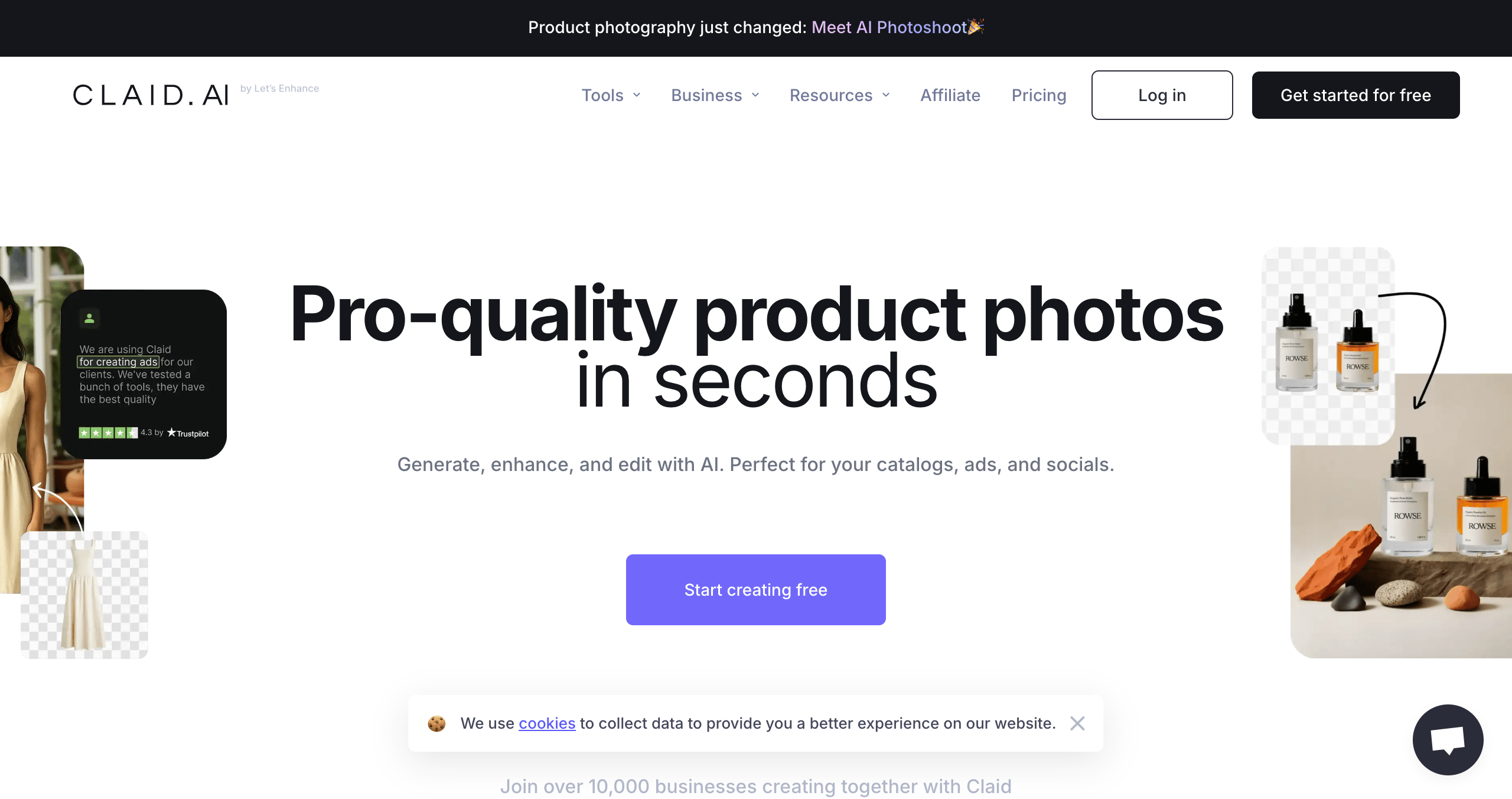
Claid focuses on helping ecommerce brands create product visuals in one place.
It combines model generation with other product photo tools, which makes it useful for stores with large catalogs. The workflow is simple and efficient, especially for brands that want everything under one system.
Best for: ecommerce teams that want fashion models plus broader product photo tools.
3. Botika
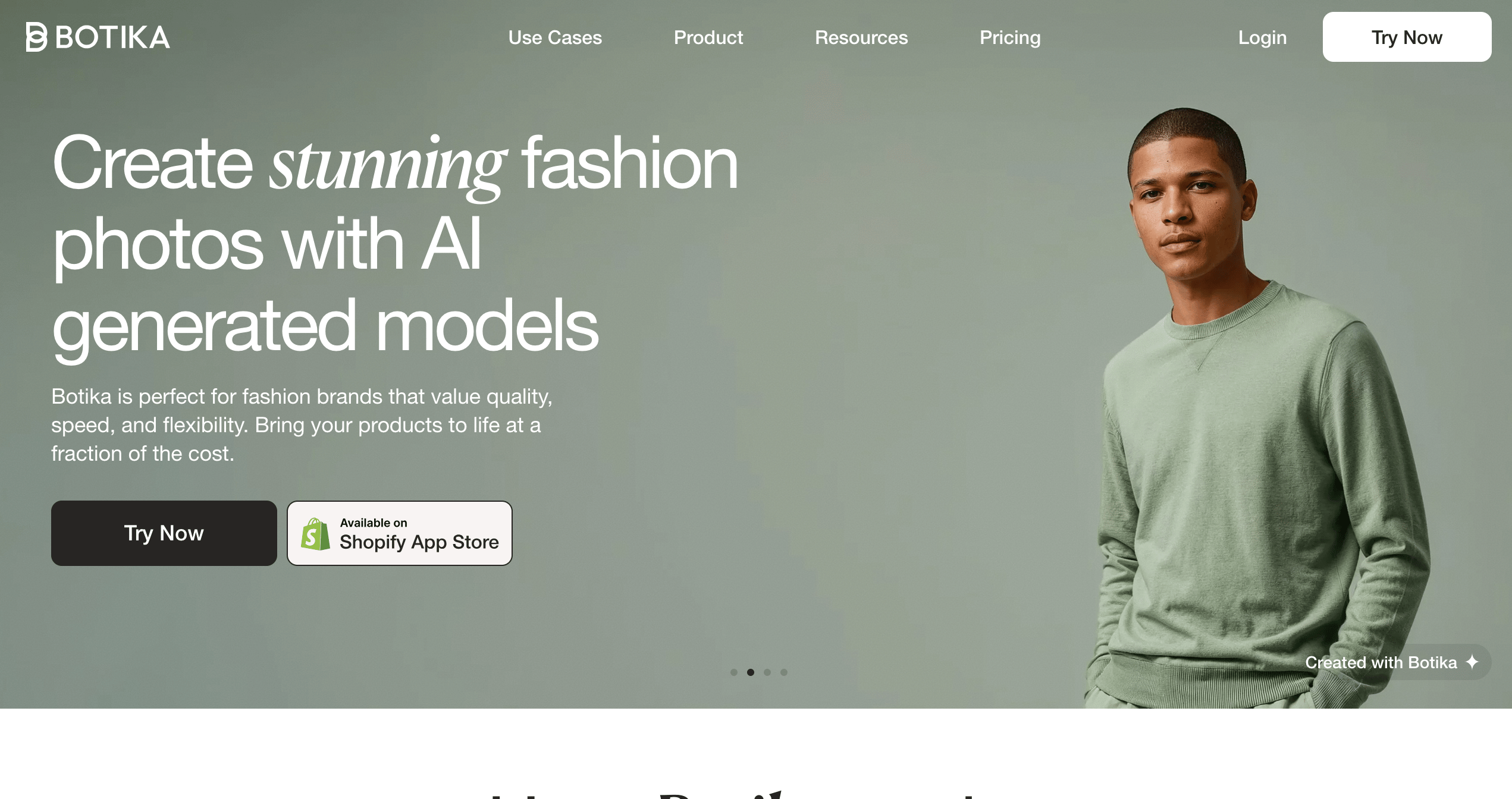
Botika is built for speed, it’s popular with Shopify brands that need on-model images quickly and in volume. The platform also supports short video outputs, which can be useful for ads and social media.
Best for: brands that prioritize fast output and high volume.
4. Modelia
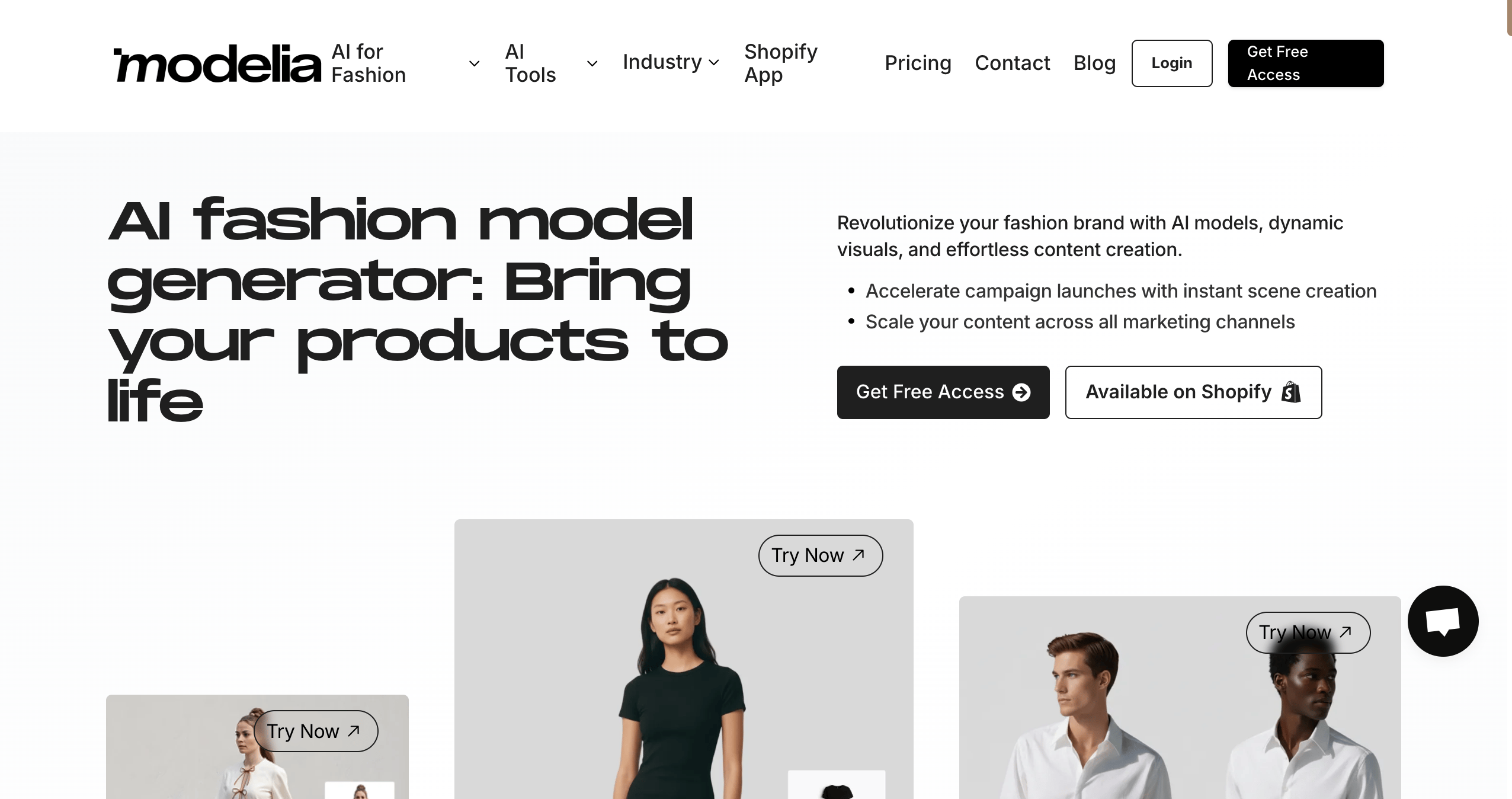
Modelia is a simple Shopify app designed for easy setup.
It’s a good option for brands that want to add AI models without changing their workflow too much. The learning curve is low, but creative control is more limited compared to other tools.
Best for: Shopify stores that want a quick, plug-and-play solution.
5. Fotor
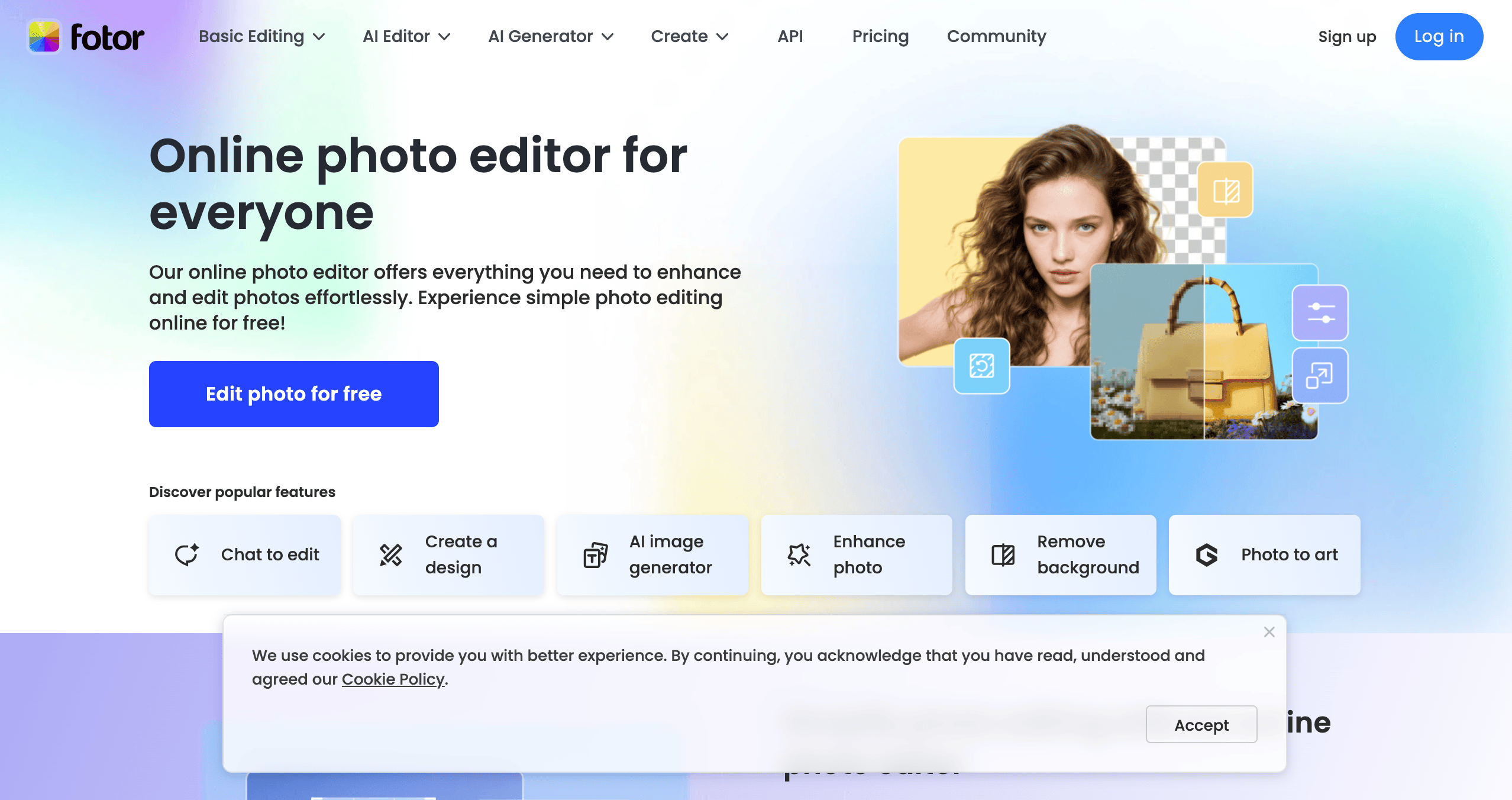
Fotor is a general design platform that includes AI model features.
It works well for teams that handle many types of content, not just fashion. While it’s flexible, it’s not built specifically for fashion-first ecommerce workflows.
Best for: creators who need one tool for many design tasks.
Final thoughts: Choosing what works for your brand
AI fashion models are no longer a trend, they’re becoming part of how fashion brands work.
The right tool can help you move faster, save money, and stay visually consistent. But there’s no single best option for everyone. Some brands need speed. Others need scale. Some want a simple setup, while others want full control over how their visuals look and feel.
What matters most is choosing a tool that fits your workflow not just your budget.
If your goal is to create full, campaign-ready fashion visuals from one product image, tools like Outfit are designed to support that end-to-end process. Other platforms may work better for quick edits, large catalogs, or general design needs.
In 2026, winning fashion brands won’t be the ones with the most tools, they’ll be the ones that use the right tool consistently.