
The Complete Guide to Shipping for Online Stores
Learn how ecommerce shipping works, from checkout to delivery. Discover ways to reduce costs, improve customer experience, and scale your store.
Shipping isn’t just what happens after someone clicks Buy.
It’s a core part of the customer experience.
When someone orders from your online store, they’re not just paying for a product. They’re trusting you to deliver it safely, on time, and without surprises. High shipping costs, slow delivery, or unclear tracking can quickly damage that trust. On the other hand, a smooth ecommerce shipping process builds confidence and confident customers come back.
In this guide, we’ll walk through how shipping for online stores actually works. From checkout and shipping rate calculation to picking, packing, carrier selection, tracking, and returns. You’ll learn how to reduce shipping costs, choose the right shipping strategy, and turn fulfillment into a real competitive advantage.
If you’re building a fashion or product-based brand, remember this: shipping is only one part of the journey. The experience starts earlier with how your product looks online. Clear visuals, realistic mockups, and strong presentation make customers feel secure before they even reach checkout.
Because in modern ecommerce, everything connects.
Product presentation. Checkout experience. Shipping performance.
Get those aligned and growth becomes much easier, let’s start with the basics.
What customers really feel about your shipping
Shipping isn’t just a backend task. It’s one of the last impressions your brand makes.
Think about it: customers rarely remember the warehouse process. They remember how long it took to arrive, whether they could track it easily, and how the package looked when they opened it. That’s why ecommerce shipping directly impacts trust, reviews, and repeat purchases.
According to Shopify’s ecommerce shipping overview, delivery speed and transparency are two of the biggest factors influencing post-purchase satisfaction. If customers feel informed and in control, they’re far more likely to buy again.
Shipping also affects conversion rates before the order even happens. Unexpected costs at checkout are one of the main reasons for cart abandonment. Tools like the USPS shipping calculator help merchants understand real pricing and avoid undercharging or surprising customers later.
But here’s what many brands overlook:
Customer experience doesn’t start at delivery. It starts on the product page.
If your visuals feel unclear or low quality, customers hesitate. If your presentation feels professional and realistic, they trust you more and that trust carries into checkout and shipping. It’s the same reason why great product photography can completely change how customers perceive your brand.
And once the product arrives, packaging becomes part of the experience too. Cheap or careless packaging can undo all the effort you put into branding. In fact, many brands don’t realize they’re making small packaging decisions that quietly make their products look cheaper than they are.
In short, shipping is not just about moving products, it’s about delivering confidence.
When presentation, checkout clarity, and fulfillment work together, growth becomes much more predictable.
What is e-commerce shipping?
E-commerce shipping is the process of getting a product from your online store to your customer’s doorstep. It includes everything that happens after the order is placed, processing the order, picking and packing the item, generating a shipping label, handing it to a carrier, and tracking it until delivery.

It’s often confused with fulfillment or logistics, but they’re not exactly the same. Fulfillment covers the internal operations (storage, packing, order management), while shipping focuses on the actual transportation and delivery.
In short, ecommerce shipping is the bridge between your checkout page and your customer’s hands.
Core steps of the e-commerce shipping process
E-commerce shipping isn’t one single action. It’s a sequence of connected steps that start the moment a customer completes checkout and end when the order is delivered or returned.
Understanding these steps helps you spot delays, reduce costs, and improve the overall customer experience. Whether you handle fulfillment in-house or work with a third-party provider, the structure is usually the same: order confirmation, processing, picking and packing, label creation, carrier handover, tracking, and delivery.
When one step breaks, the whole experience suffers. When they work together smoothly, shipping becomes predictable, scalable, and much easier to manage.
Step 1: checkout
Shipping starts at checkout not in the warehouse, this is where customers see delivery options, estimated arrival times, and shipping costs. If pricing feels unclear or suddenly increases, hesitation begins. Clear shipping rates, realistic delivery timelines, and multiple options (standard, express, free shipping thresholds) reduce friction and build confidence.
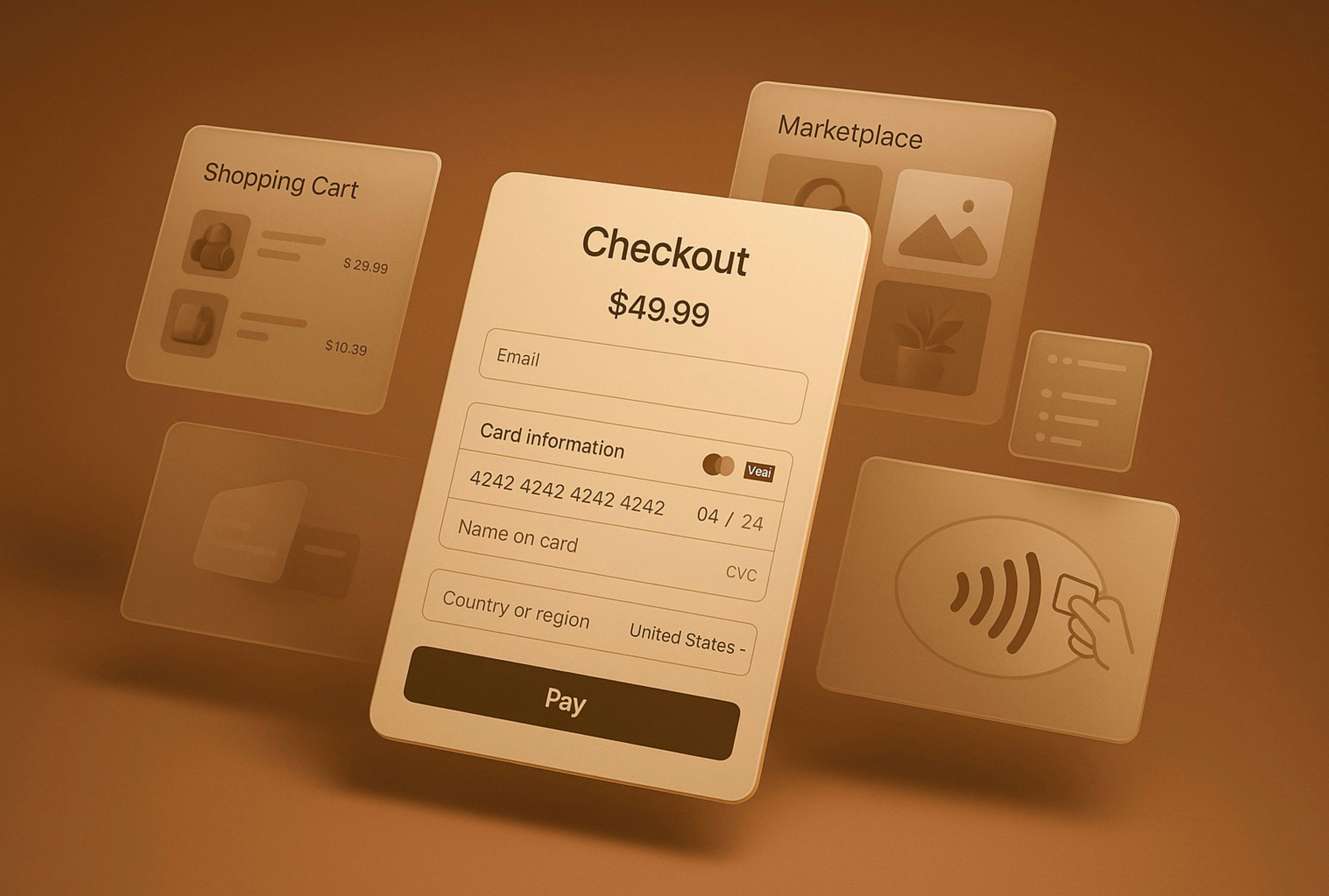
A smooth checkout experience sets expectations early. And when expectations are clear, complaints drop later.
Step 2: order receiving & processing
Once checkout is complete, the order moves into your system. Payment is verified, inventory is confirmed, and the order is queued for fulfillment. Speed matters here delays at this stage often lead to late shipments later.
A clean order management process reduces mistakes before packing even begins.
Step 3: picking & packing
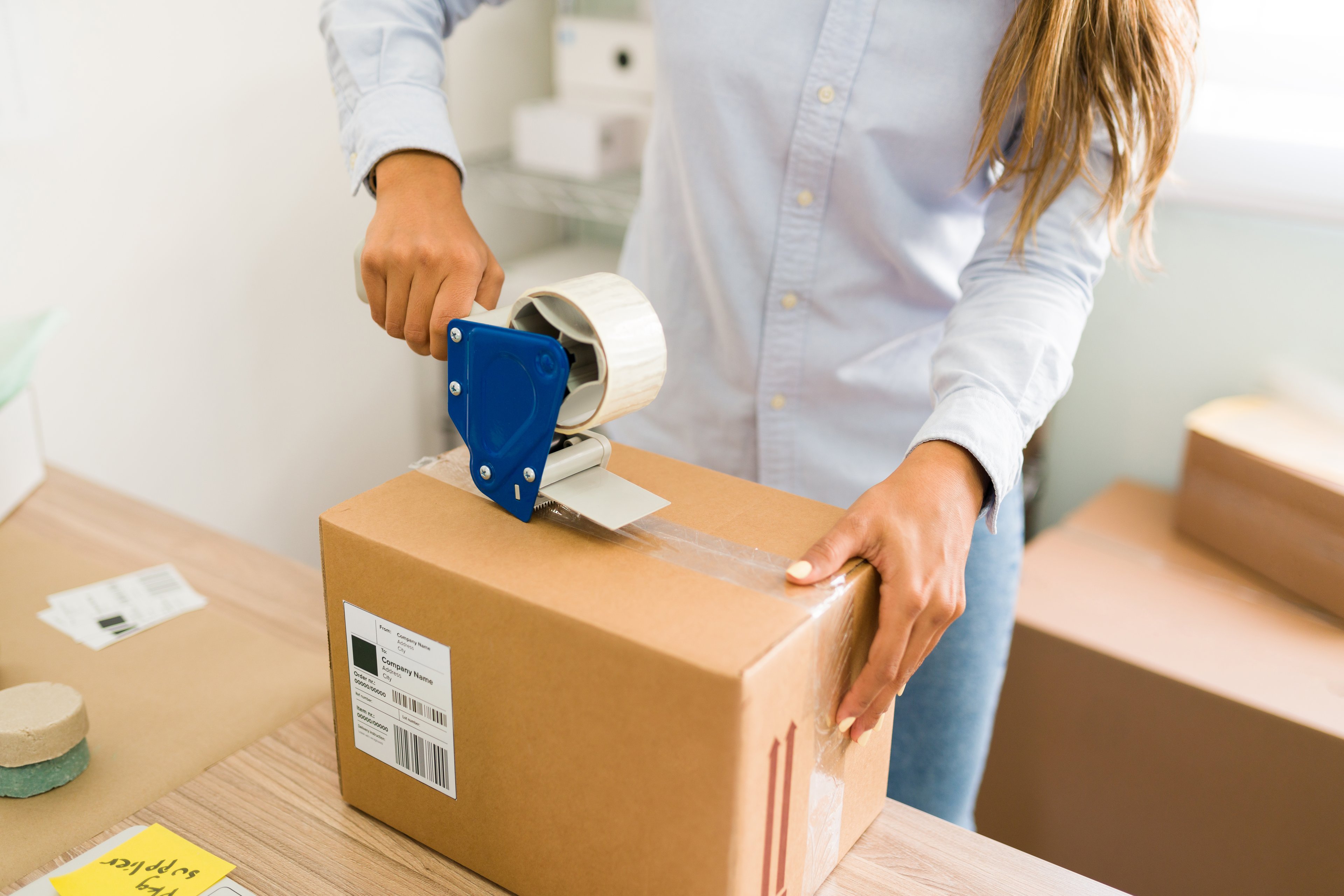
This is where the physical work happens. The product is located in storage, picked, packed securely, and prepared for shipment. Accuracy is critical wrong items or poor packaging damage trust fast.
Efficient picking and thoughtful packing reduce returns and protect margins.
Step 4: label creation & carrier selection
A shipping label is generated, and the right carrier is selected based on cost, speed, and destination. Choosing the wrong carrier can increase delays or costs.
Tools that compare rates help you balance delivery time and profitability.
Step 5: shipping insurance
Shipping insurance protects you against lost or damaged packages. While not always required, it reduces financial risk especially for higher-value products.
It’s a small cost that can prevent larger losses.
Step 6: handover to Carrier
Once packed and labeled, the order is handed over to the carrier. From this point forward, delivery performance depends largely on the logistics partner.
Clear pickup schedules and reliable carriers keep timelines predictable.
Step 7: tracking & notifications
After dispatch, customers expect updates. Automated tracking emails and real-time notifications reduce anxiety and support requests.
Transparency here improves post-purchase satisfaction.
Step 8: delivery & last-mile
The last mile is often the most expensive and unpredictable part of shipping. Delays or failed delivery attempts affect how customers remember the experience.
Reliable last-mile execution protects your brand reputation.
Step 9: returns & refunds
Shipping doesn’t always end at delivery. Returns are part of ecommerce reality. A clear return policy and simple process reduce friction and maintain trust.
Reverse logistics, when handled well, can actually increase repeat purchases.
The new role of shipping in e-commerce growth
Shipping used to be an operational task. Today, it’s a growth lever.
Customers compare delivery speed, shipping costs, and return policies before they compare product features. Fast, transparent shipping builds confidence. Flexible options like express delivery or free shipping thresholds can directly increase conversion rates.
In competitive markets, delivery performance becomes part of your value proposition. Brands that communicate clearly, deliver on time, and simplify returns create fewer support tickets and more repeat customers.
Shipping is no longer just about moving products.
It’s about removing friction from the buying decision.
When logistics, presentation, and customer expectations align, growth becomes more predictable.
The real shipping challenges growing brands face
As your online store grows, shipping becomes more complex. Higher order volume means tighter timelines, more inventory coordination, and greater pressure on margins. What worked for 20 orders a week won’t work for 200.

One major challenge is managing operational scalability, your ability to handle growth without breaking systems. Another is balancing rising carrier costs while keeping pricing competitive. And for brands expanding internationally, cross-border logistics introduces customs, duties, and longer delivery windows.
Growth doesn’t remove shipping problems. It multiplies them.
How to win the shipping game
Winning at shipping isn’t about offering the fastest delivery in the market. It’s about building a system that’s reliable, flexible, and clear. When customers understand what to expect and you control what happens behind the scenes shipping stops being a headache and starts supporting growth.
Here’s how to make that happen:
1. Automate the basics
Manual processes slow you down and increase errors. Automating order processing, label creation, and tracking updates saves time and reduces mistakes. The more predictable your internal system is, the more consistent your delivery experience becomes.
2. Add flexibility to the mix
Not every customer wants the same thing. Some prioritize speed. Others care more about cost. Offering multiple delivery options like standard, express, or free shipping thresholds gives customers control and reduces hesitation at checkout.
3. Close the Customer Experience Loop
Shipping doesn’t end at delivery. Clear tracking updates, simple return processes, and responsive communication shape how customers remember the experience. Strong post-purchase engagement increases trust and repeat purchases.
Frequently asked questions about ecommerce shipping
1. How much does ecommerce shipping cost?
Ecommerce shipping costs vary depending on product weight, dimensions, shipping zone, carrier rates, and packaging materials. For small businesses, costs typically range from a few dollars per order domestically, but international shipping can increase significantly due to customs and duties.
2. What is the cheapest way to ship products?
The cheapest option depends on package size and destination. Standard ground shipping is usually more affordable than express services. Comparing carrier rates and optimizing packaging dimensions can significantly reduce costs
3. Should small online stores offer free shipping?
Free shipping can increase conversion rates, but it must be calculated carefully. Many stores use a minimum order threshold to protect margins while still offering an incentive.
4. What is the difference between shipping and fulfillment?
Fulfillment includes inventory storage, picking, packing, and order management. Shipping specifically refers to transporting the package from the warehouse to the customer.
5. How can I reduce shipping costs for my online store?
You can reduce costs by negotiating carrier rates, optimizing package size, automating label creation, and using regional warehouses to shorten delivery distances.
6. Why is last-mile delivery so expensive?
Last-mile delivery involves individual home deliveries, which require more time, fuel, and coordination compared to bulk transport. It is often the most costly and complex stage of the shipping process.
Conclusion
E-commerce shipping isn’t just a backend operation. It’s a key part of how customers experience your brand.
From transparent checkout pricing to reliable delivery and simple returns, every step influences trust. And trust influences growth. When customers know what to expect and receive exactly that they’re more likely to buy again.
As your store grows, shipping will either become a friction point or a competitive advantage. The difference comes down to clarity, consistency, and system design.
Build a process that works behind the scenes.
Deliver an experience that works in your customer’s mind.
That’s how shipping stops being a cost and starts driving growth.