How Shoe Brands Win on Instagram & TikTok with AI
A practical guide to how footwear brands use AI, UGC, and platform-native content to drive growth on Instagram and TikTok.
Shoes sell fast on social media but only when people can see themselves wearing them. On Instagram and TikTok, the decision happens in seconds. Movement matters. Context matters. And content that feels real consistently beats anything that looks overly polished.
That’s why the shoe brands winning in 2026 aren’t just posting nicer ads. They’re showing shoes in motion, inside real outfits, and across short-form video that fits how people actually scroll. AI doesn’t replace creativity here it removes friction, helping brands test more ideas, adapt content faster, and show up consistently without expensive photoshoots.
When visuals are flexible and production is fast, social stops being a gamble and starts becoming a repeatable growth channel.
What makes a footwear Ad actually convert in 2026
Footwear ads convert when they make the decision easier, not louder.
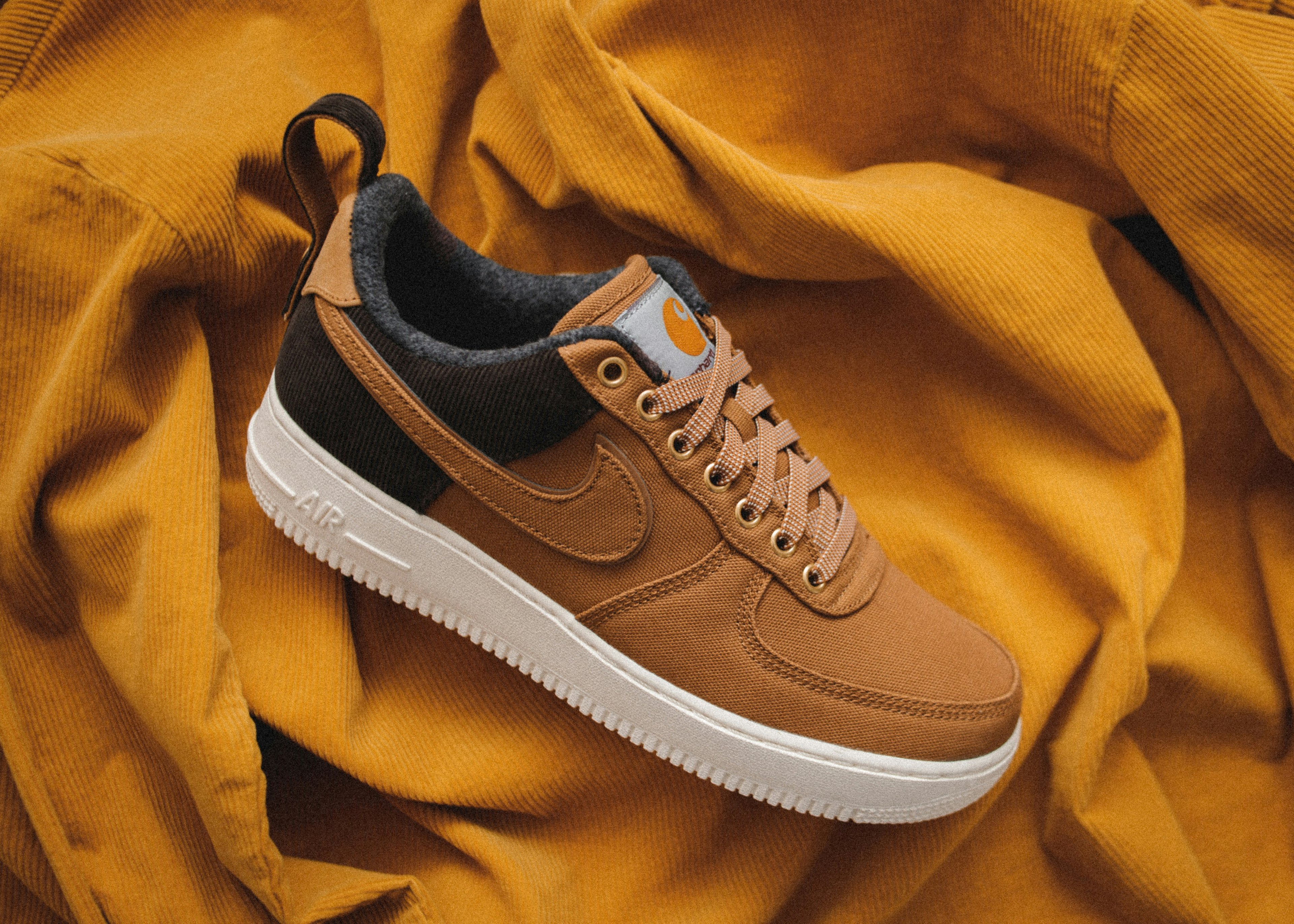
The first factor is visual context. Showing shoes as part of a full outfit helps people instantly understand when and how they’d wear them. That’s why ads built around complete looks tend to perform better than isolated product shots.
Next comes movement. Shoes are judged in motion, which is why short-form video works so well for footwear on Instagram and TikTok. A few seconds of movement can communicate comfort and performance faster than any caption.
Trust is just as important. Casual try-ons and UGC-style visuals often convert better than polished studio ads because they feel familiar and believable. Many brands are now rethinking traditional photoshoots in favor of content that’s easier to reuse and adapt.
Finally, there’s speed. Brands that test multiple visuals learn faster. AI helps here by making it easier to create variations and keep campaigns moving without slowing production.
Instagram vs TikTok: Where shoe brands actually win
In 2026, shoe brands don’t need to choose between Instagram and TikTok. They need to understand how each platform drives buying decisions differently.

Instagram works best when the goal is confidence. Shoppers use it to compare styles, save looks, and come back later to purchase.
Clean visuals, outfit-based content, and carousels help shoes feel premium and intentional. This is where polished visuals and reusable assets shine especially when brands turn one shoot into multiple formats using tools like AI-generated product visuals.
TikTok, on the other hand, is about momentum. It’s where discovery happens fast and decisions are emotional. Movement, try-ons, and casual demos outperform anything that feels overly produced. Shoe brands that lean into short, repeatable video formats tend to see faster engagement and stronger reach.
The strongest strategy is not platform-specific content but format-first content. One strong visual idea can be adapted into an Instagram carousel, a Reel, and a TikTok video without starting from scratch. That’s how teams move faster, test more, and stay visible without increasing production costs.
Brands that win are the ones treating Instagram as a conversion engine and TikTok as a discovery engine then connecting the two with consistent visuals and messaging.
Footwear ad formats that actually convert
In 2026, shoe brands don’t win by posting more ads. They win by choosing ad formats that match how people actually scroll, watch, and decide on Instagram and TikTok.
Lifestyle outfit ads consistently outperform isolated product shots. Showing shoes as part of a full look helps shoppers understand where the product fits in their daily life, making the decision feel easier and more natural.
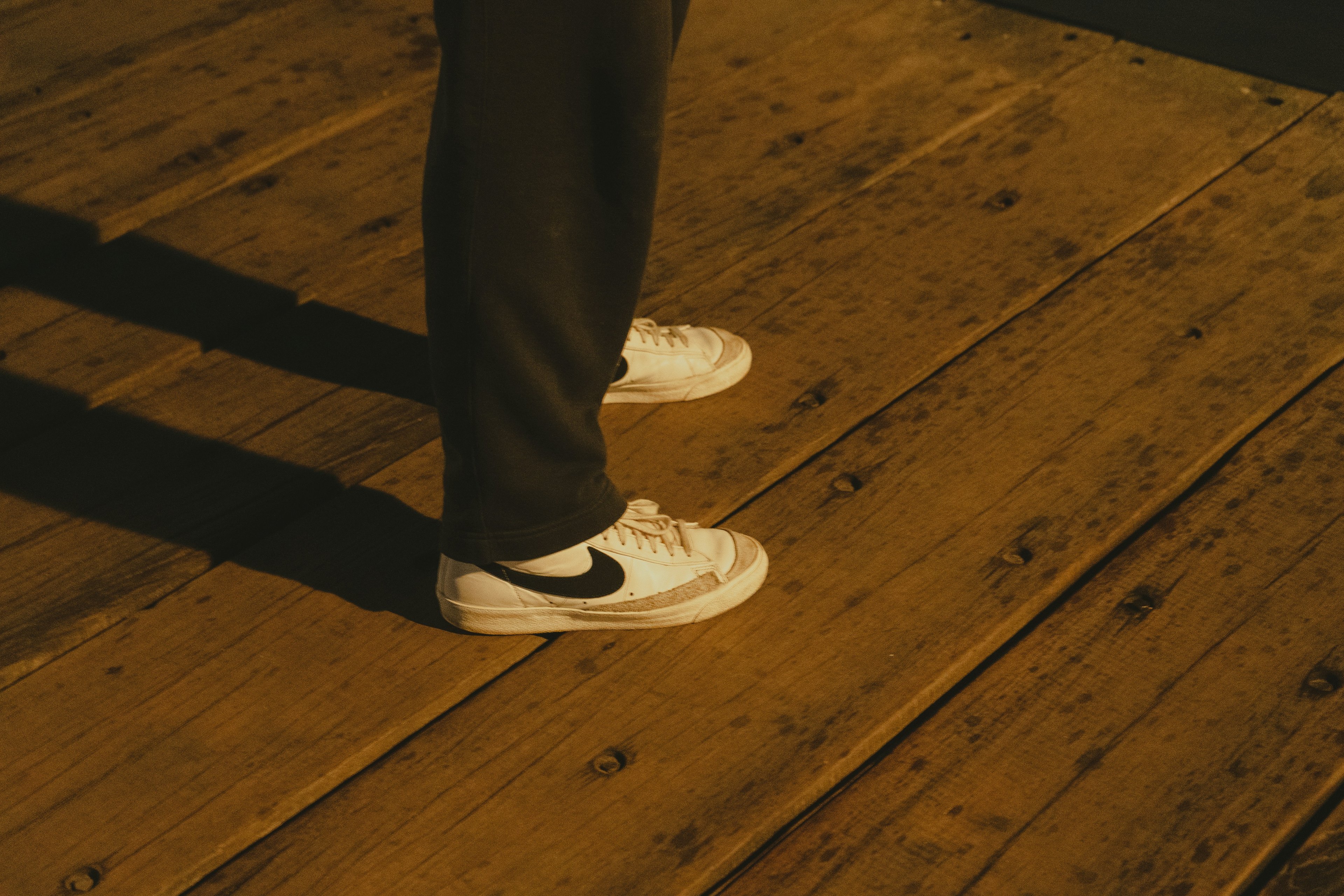
UGC-style try-ons and reviews are another top-performing format. Simple videos filmed at home or in real settings build trust quickly, especially for footwear where comfort and fit matter more than polish.
Performance demos also play a key role. Short clips that show how a shoe moves, flexes, or handles daily use provide instant proof without heavy explanation.
Carousel formats like complete the look still convert well when used to guide the shopper visually instead of pushing discounts. They help brands increase average order value while keeping the experience organic.
The strongest brands don’t reinvent content for every post. They reuse the same ad ideas across carousels, Reels, and TikTok videos, keeping visuals consistent while moving faster.
How AI helps shoe brands create better ads faster
In 2026, speed is a competitive advantage for shoe brands. AI doesn’t replace creativity, it removes friction. Teams use AI to turn one product idea into multiple ad-ready visuals, test formats faster, and adapt content across Instagram and TikTok without restarting from zero.
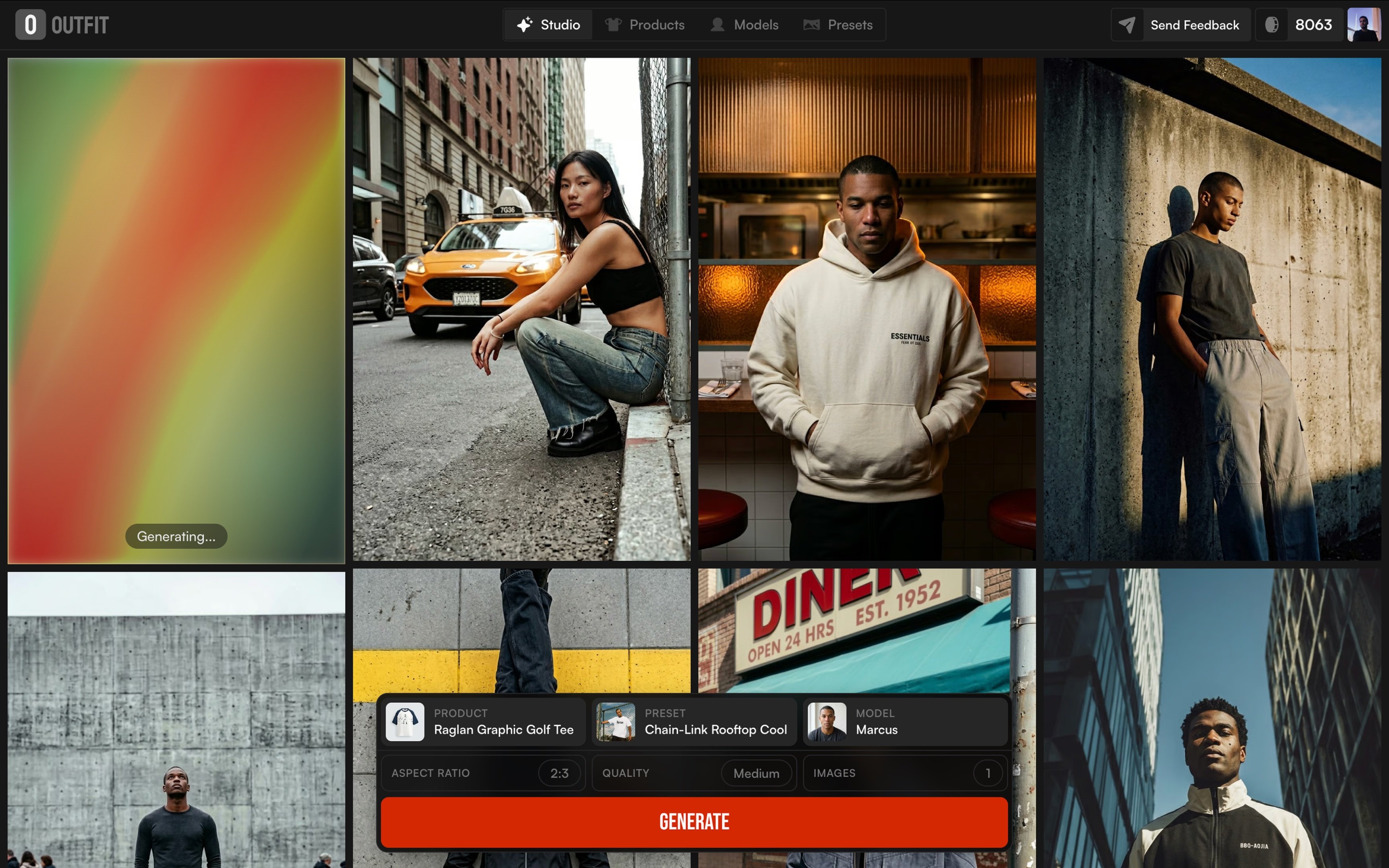
Platforms like Outfit help make this process practical by allowing brands to generate lifestyle visuals and variations from a single product upload, keeping content production fast and consistent.
Instead of organizing full photoshoots for every drop or campaign, brands generate lifestyle visuals, try-on style clips, and product variations from a single upload. This shortens production cycles, lowers costs, and keeps content flowing consistently especially during launches, seasonal pushes, and limited drops.
AI also helps teams iterate. The same shoe can appear in different outfits, settings, and formats, making it easier to spot what performs best and double down quickly. The result is less waiting, more testing, and clearer performance signals across channels.
Why UGC & creators sell shoes better than polished ads
In 2026, shoe brands don’t win trust through perfection. They win through real people. UGC and creator-led content outperform traditional ads because they answer the questions buyers actually have: How does it look on someone like me? How does it move? Would I really wear this?
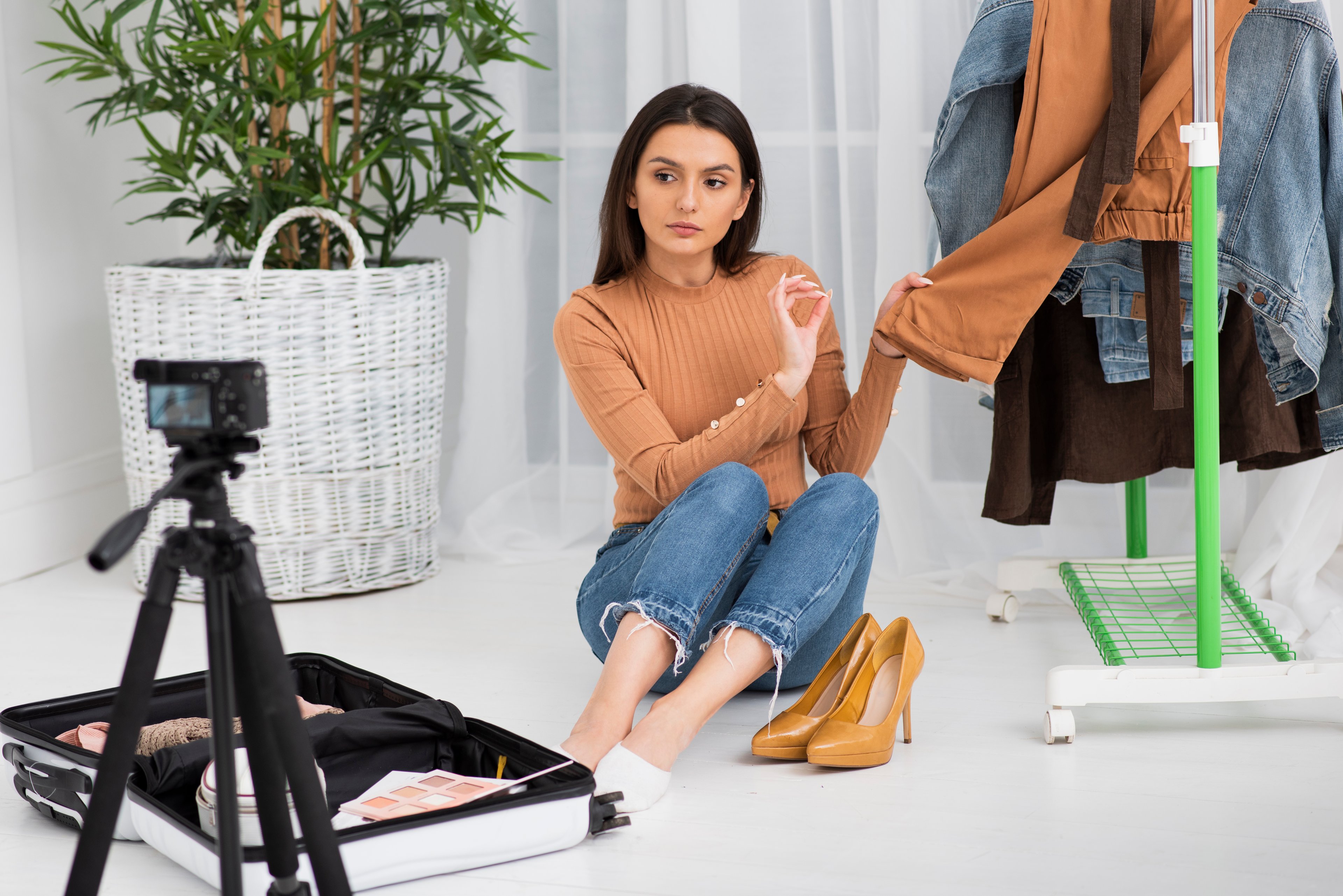
Creators and everyday customers show shoes in lived-in moments at home, on the street, during a workout, or styled with everyday outfits. That context reduces hesitation and makes the product feel safer to buy. For footwear, where fit and comfort are hard to judge online, this kind of content does the heavy lifting faster than brand messaging.
The strongest brands don’t treat UGC as a one-off asset. They build systems to collect it, reuse it across ads and organic posts, and mix it with AI-generated visuals to scale without losing authenticity. That balance real people plus smart production is what keeps content human while staying efficient.
Common mistakes shoe brands still make on social media
many shoe brands struggle on Instagram and TikTok for the same reasons. The biggest mistake is focusing on posting frequency instead of clarity. When content doesn’t quickly show how the shoe looks, moves, or fits into real life, people scroll past without thinking twice.
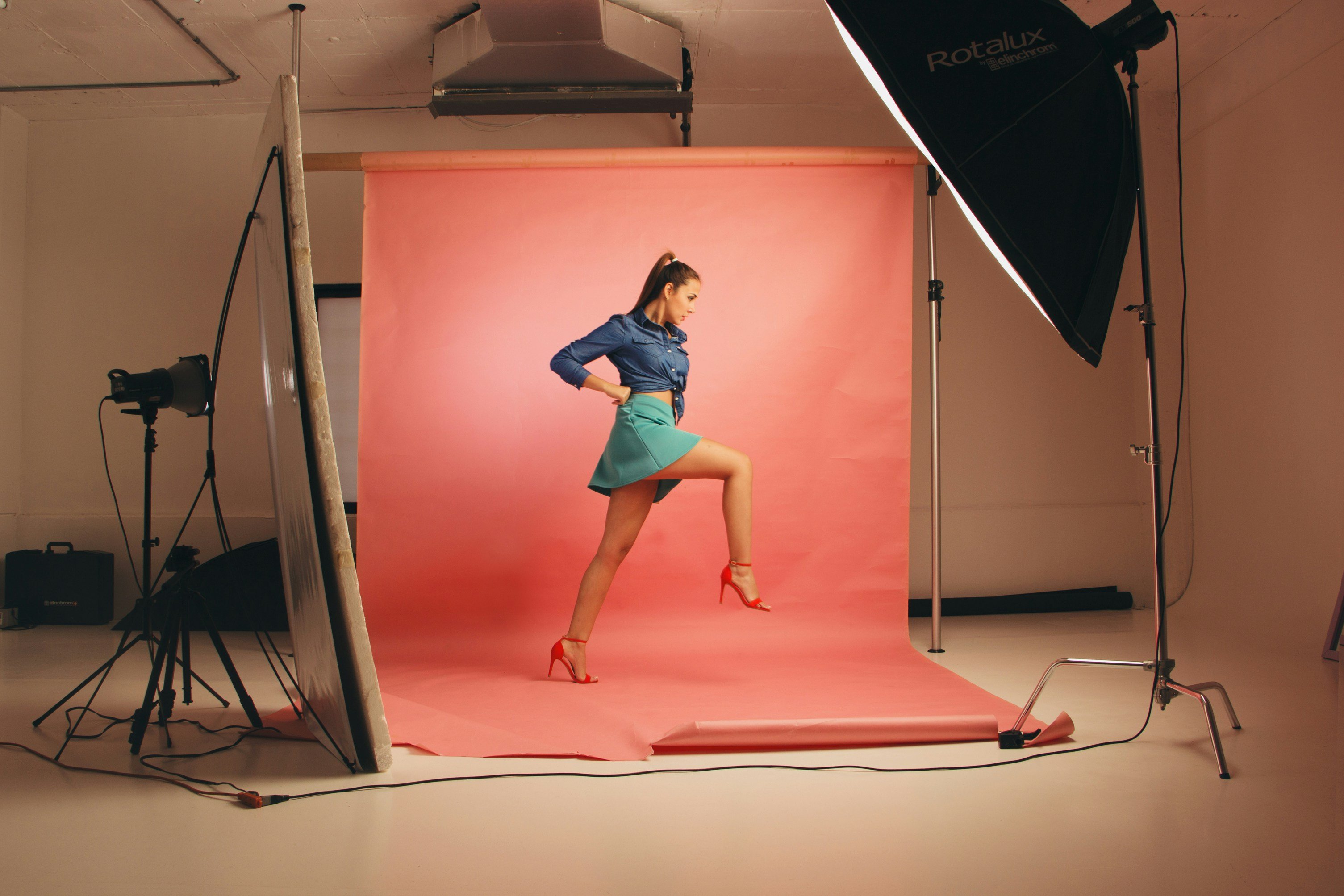
Another common issue is overproducing ads. Highly polished visuals often feel distant, especially on TikTok, where raw and relatable content performs better. Brands that rely only on studio shots miss the opportunity to build trust through movement, context, and real people.
Many teams also treat each platform separately, creating content from scratch every time. This slows production, burns budgets, and leads to inconsistent visuals. The brands that grow faster reuse strong ideas across formats and platforms, testing what works instead of guessing.
Finally, some brands still avoid using data. Without tracking which formats drive saves, clicks, or conversions, it’s impossible to improve. Social media success today isn’t about intuition, it’s about learning fast and adjusting faster.
How to build a simple shoe content system that scales
Winning on Instagram and TikTok isn’t about chasing trends every week. Shoe brands that scale build a simple content system they can repeat and improve over time.
It usually starts with one strong product idea. From that single idea, brands create multiple formats: a lifestyle look, a short try-on video, a quick performance clip, and a carousel version. The goal isn’t variety for the sake of it, it’s consistency across platforms.
Instead of producing everything manually, teams rely on AI tools to speed up visuals and reduce friction. This makes it easier to keep content flowing during launches, seasonal campaigns, and paid ads without burning budgets or teams.
The final layer is reuse. Strong visuals don’t live once and disappear. They’re reused across organic posts, ads, product pages, and emails. Over time, this system turns content creation from a stressful task into a predictable growth engine.
Do you think a brand like Adidas actually uses AI?
Brands at Adidas’ scale don’t use AI as a buzzword or a single magic tool. They use it as part of a broader system designed to move faster and make better decisions. The role of AI here isn’t to replace creativity, but to reduce friction across content production, testing, and distribution.
In footwear marketing, this shows up through data-led workflows that help teams understand what content performs, what needs iteration, and what should be reused. A single shoe concept can quickly evolve into multiple formats lifestyle visuals, short try-on clips, or product-in-motion videos each adapted for different platforms and audiences. The creative idea stays human, but the execution becomes faster and more scalable.
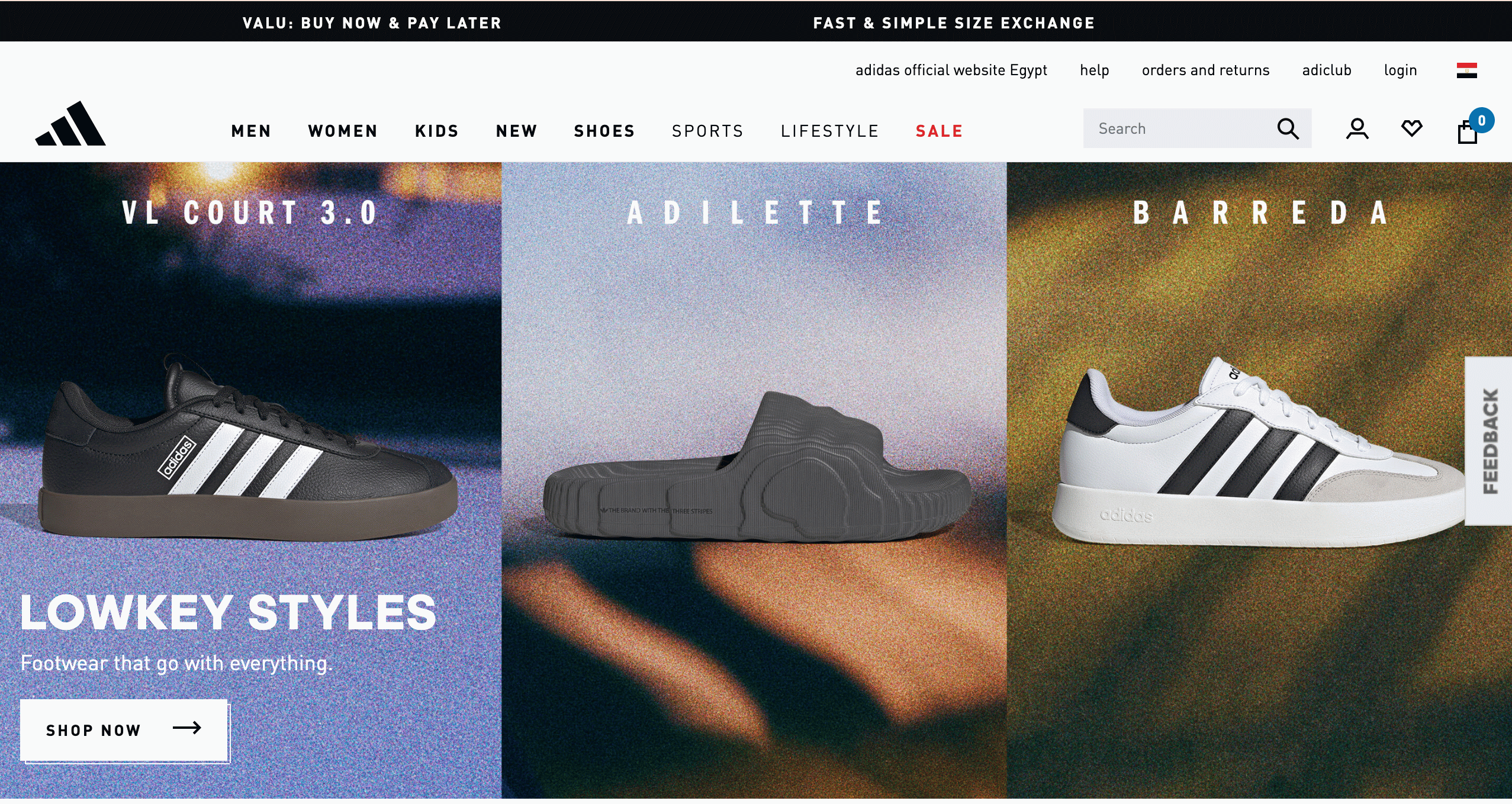
For smaller shoe brands, the takeaway isn’t to match Adidas’ budget. It’s to adopt the same mindset: build a system that allows you to test, reuse, and adapt content efficiently. That’s where AI-powered workflows make the biggest difference not by creating ads for you, but by helping you move with clarity and speed.
How Shoe Brands Win with AI
In 2026, the shoe brands that win on Instagram and TikTok aren’t chasing every trend, they’re operating with a clear content system powered by AI. Instead of relying on one-off shoots or fragmented campaigns, they build scalable workflows that turn a single product idea into multiple high-performing assets.
AI enables teams to move faster without sacrificing quality. It helps brands test more formats, adapt visuals across platforms, and stay consistent during launches, seasonal pushes, and paid campaigns. Combined with UGC and creator-led content, AI-driven workflows keep brands relevant, human, and efficient at the same time.
The takeaway is simple: winning footwear brands don’t think in posts, they think in systems. When AI, UGC, and platform-native formats work together, social media stops being a guessing game and starts becoming a predictable growth channel.